 When your house hunting, you are likely focused on the big things like: location, price, layout, and condition. But there is one small detail that can have a surprising impact on your homeownership experience, the street name. While it may seem insignificant at first, the name of your street can affect everything from resale value and first impressions to daily convenience and even safety.
Curb Appeal Starts With the Address
First impressions matter, and your street name is often the first thing someone hears when you share your address. Names like “Ocean View Drive” or “Whispering Pines Lane” can evoke a sense of charm or luxury, while names like “Industrial Avenue” or “Dirt Road” may raise an eyebrow. This seemingly minor detail can color someone’s perception of your home, even before they see it.
It Can Influence Property Value
Believe it or not, some studies have shown that homes on streets with more pleasant or prestigious-sounding names can sell for more than similar homes nearby. A name that suggests exclusivity or nature often appeals more to buyers than one that sounds generic or uninviting. If you’re thinking about resale value, this is something to consider.
Navigational Issues and Delivery Confusion
Street names that are difficult to spell, pronounce, or that sound too similar to nearby roads can cause headaches when it comes to mail, deliveries, and GPS navigation. If your address is often confused with another, you might find packages going missing or guests getting lost. Avoiding streets with names like “Oak Street” and “Oak Lane” right next to each other can save you a lot of stress.
Avoiding Negative Associations
Some street names have unfortunate associations—whether tied to history, a past event, or an unsavory reference. While these may not seem like a big deal, they can influence a potential buyer’s emotional reaction. Buyers might shy away from a home on “Gunpowder Road” or “Dead Man’s Curve” for obvious reasons.
Emergency Services and Safety
Emergency responders rely on accurate and unique addresses. If a street name is too similar to another nearby, it can delay critical response times. In urgent situations, every second counts. Choosing a home on a clearly labeled, distinct street helps ensure that police, fire, or medical personnel can locate your home quickly.
Ultimately, your home is more than an investment, it is a place where you will live, grow, and create memories. A street name might not be the first thing you consider, but it contributes to your overall comfort, convenience, and even pride of ownership.
So, when you are looking at homes, do not overlook the details. Take a moment to say the full address out loud. How does it sound? Can you picture telling it to someone on the phone or writing it on an invitation? If it gives you pause, it might be worth looking at the next option down the road.
 Walk into an open house and you might expect fresh flowers, cozy furnishings, and soft lighting. But occasionally, you will also spot something more unexpected family portraits in frames that do not match the owner. That’s because some sellers purposely leave behind staged or even fake family photos. While it may sound odd at first, this tactic is rooted in buyer psychology and strategic marketing.
 When a home sits on the market longer than expected, the price is often the first thing blamed. While overpricing can be a major factor, it’s far from the only one. One of the most common culprits is poor presentation. Buyers today form opinions within seconds, often based on online photos before they even step foot inside.
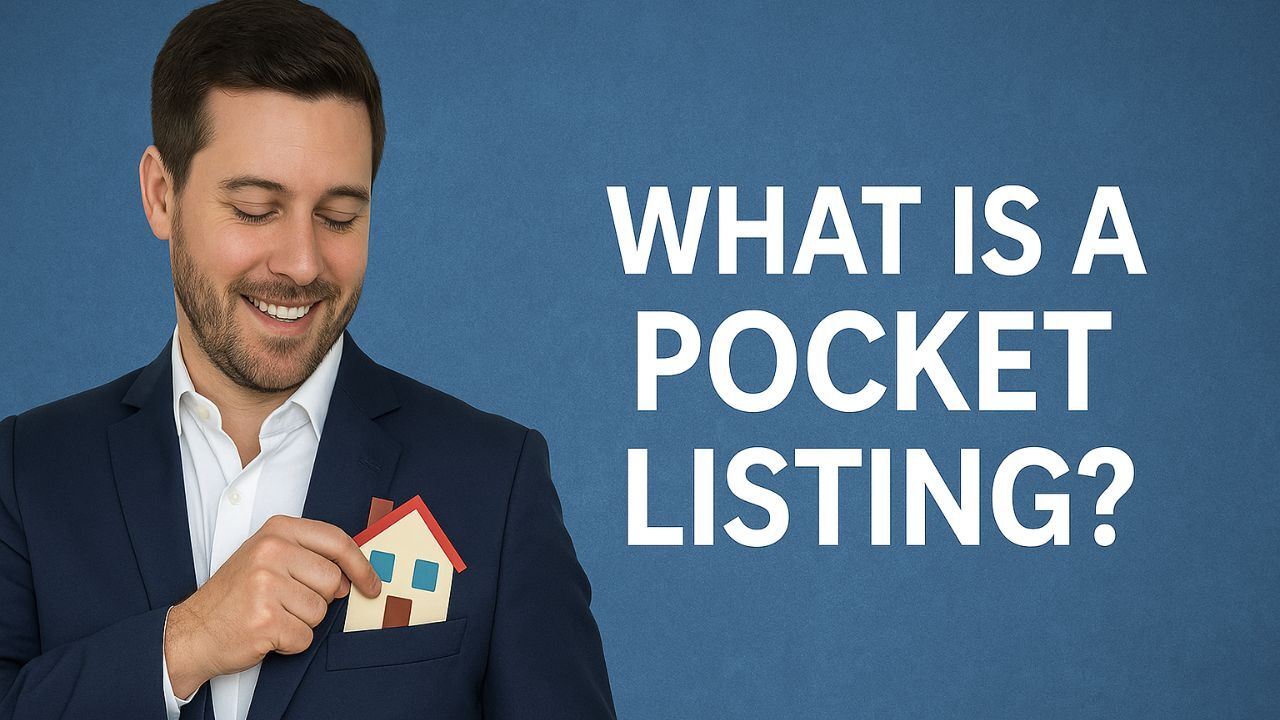 A pocket listing is a property that is for sale, but not publicly advertised. It is not listed on major real estate websites or even MLS. Instead, the agent keeps the listing “in their pocket,” only sharing it with trusted colleagues, buyers, or clients they know are serious.
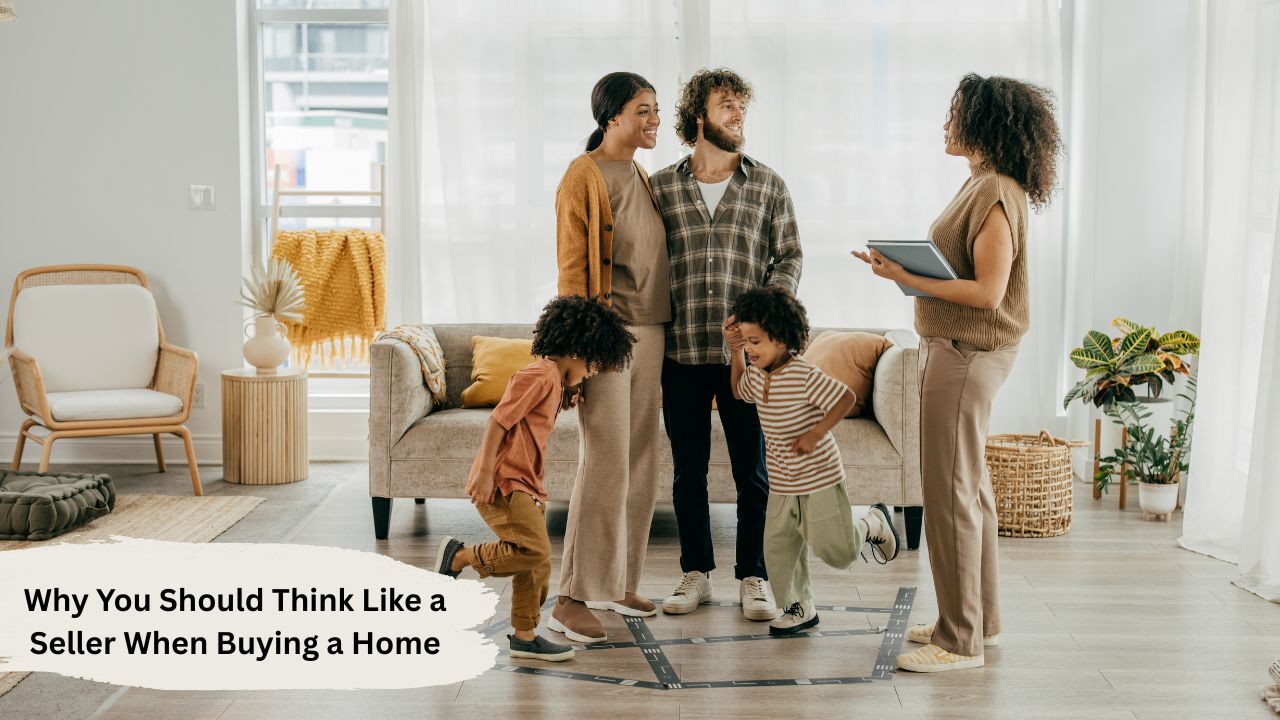 When you are buying a home, you are likely thinking about how it fits your life. Is the kitchen big enough? Does it have a home office? Is the backyard right for pets or kids? But what if I told you that thinking like a seller can make you a smarter buyer?