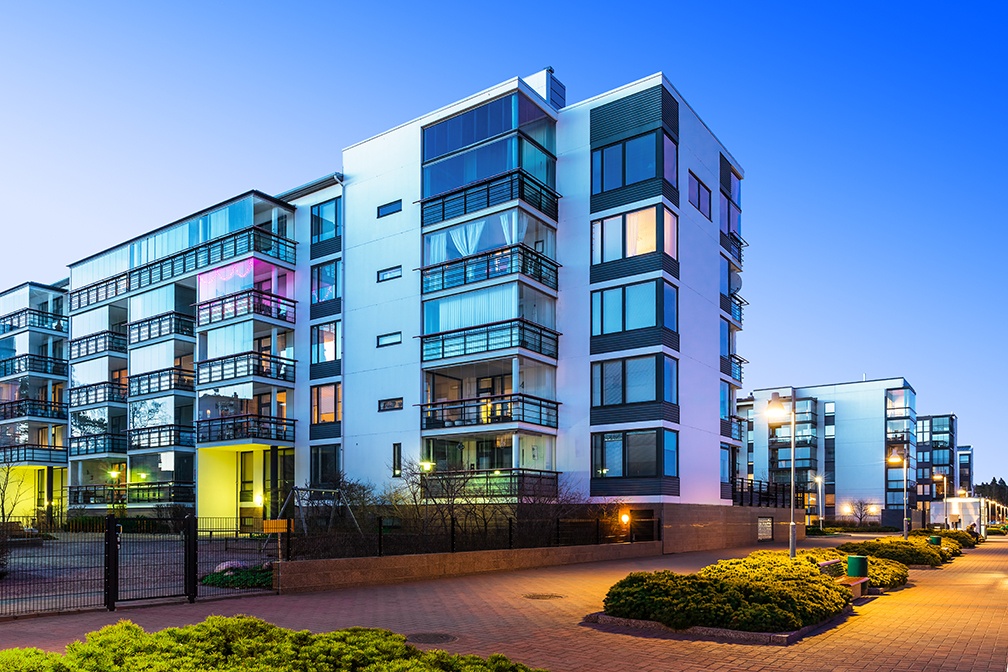
 Did you recently receive your annual notice that the rent is going up? If so, you’re not alone. Millions of renters are seeing more and more of their income drained away due to higher rents. To make matters worse, every dollar in rent is one that you are not saving, investing or using to build your net worth. If you’re feeling the pinch of higher rents, it might be time to buy your first starter home.
Comparing Rent With A Mortgage
Have you ever done the math to understand how close your monthly rent might be to a mortgage payment? Here’s a quick and easy exercise. Multiply your monthly rent by twelve, and then multiply that number by 25. For example, if your rent is $1000 per month, that is $12,000 per year and $300,000 over 25 years. So if nothing changed from today, you could afford a $300,000 mortgage.
Homes Are More Affordable Than You Think
Many first-time home buyers are convinced that they can’t afford to enter the market, but that is not the case. There are homes available that fit almost every budget or price range. In fact, it is less important to worry about the total cost and more important to worry about location, size and local amenities like schools and parks.
Remember, when you buy a house you aren’t just locking yourself into a rental contract. You are investing in a home and property have the potential to gain in value over time.
A Few Other Considerations
Of course, there are some considerations that you will need to make as you start down the path to homeownership. The first is that your mortgage is unlikely to be your only monthly expense. You will also encounter property and other taxes, utility fees and if you buy a condominium or apartment, homeowners’ association fees. You will also be responsible for maintenance and upkeep since you own the home. But that also means that you are free to customize and renovate as you see fit.
Keep in mind that it is never too late to escape the rental trap. When you’re ready to start building your future by investing in your first home, contact us. Our experienced real estate team is happy to share beautiful local home options that will suit your needs and budget.
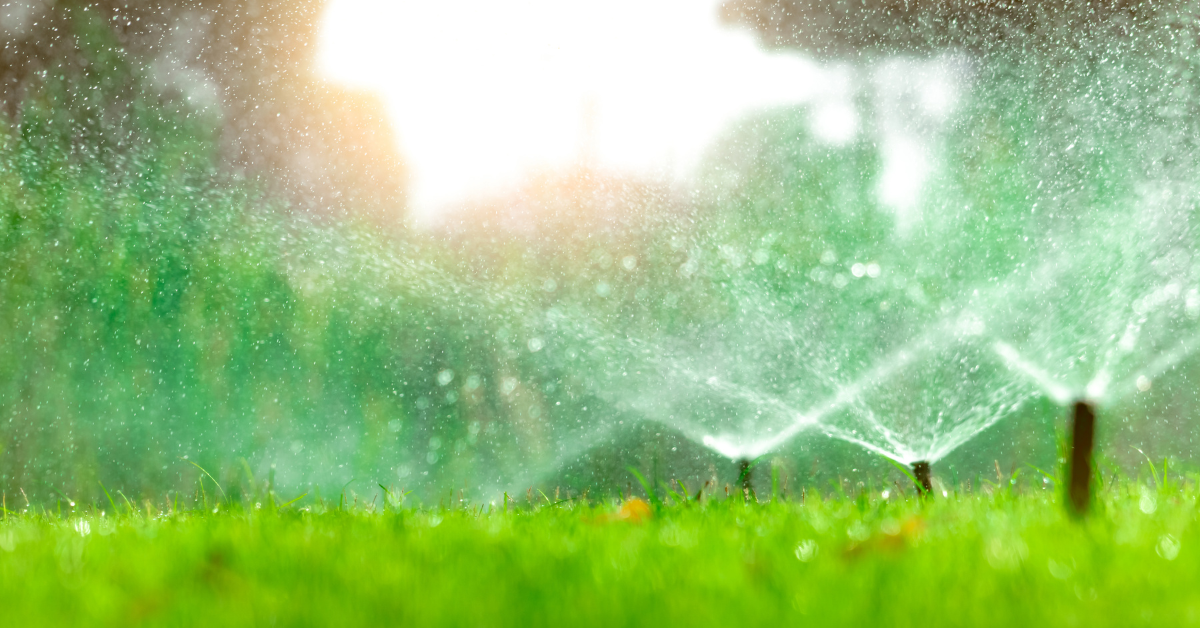 If you are tired of deploying sprinklers and standing over your yard with a hose, you might be interested in some irrigation options. There are plenty of choices available, and you need to think about all of your options before you decide which one is best for your needs. What are a few examples to consider?
 Ask any friend or family member that owns a home and they will share that it takes a bit of management to keep all the expenses under control. Let’s explore the concept of PITI and why it is vital to have a clear picture of how much your home is costing you each month.
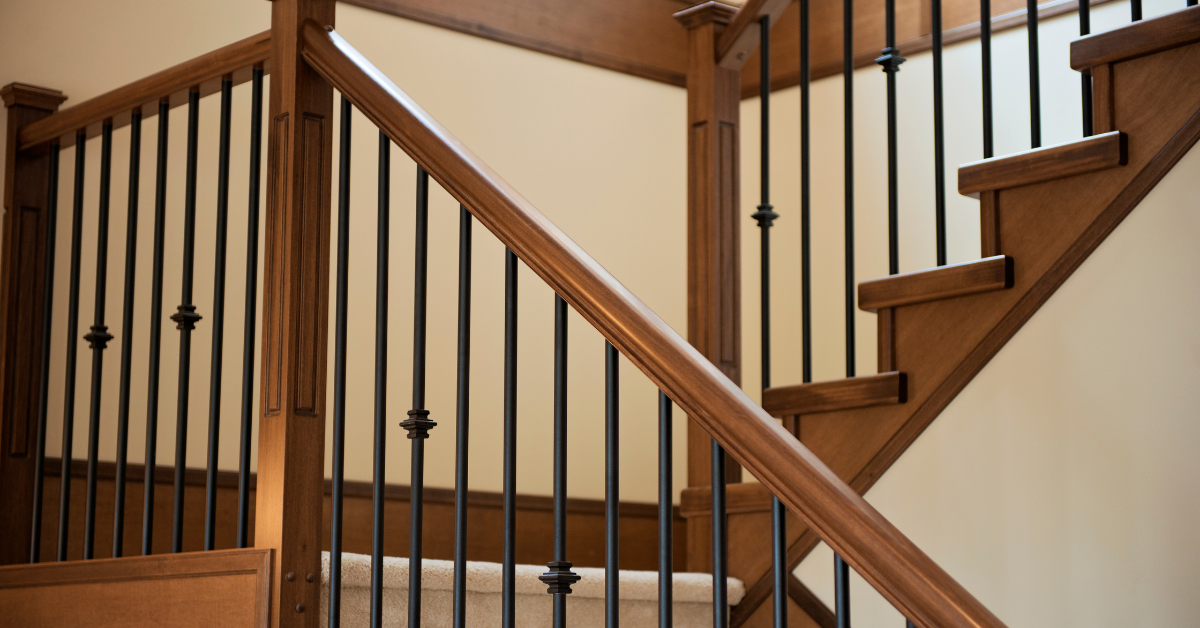 You might want to make some upgrades to your house, but they could be a bit expensive. If you make upgrades to your house that qualify as medical expenses, you may be able to deduct them from your taxes. Before you do so, you should always reach out to a qualified accountant who can review your work to make sure you are allowed to claim that deduction. What are a few examples of home upgrades that might be tax deductible?
 Last week’s scheduled economic reports included preliminary monthly readings on inflation and consumer sentiment along with weekly reporting on mortgage rates and jobless claims.
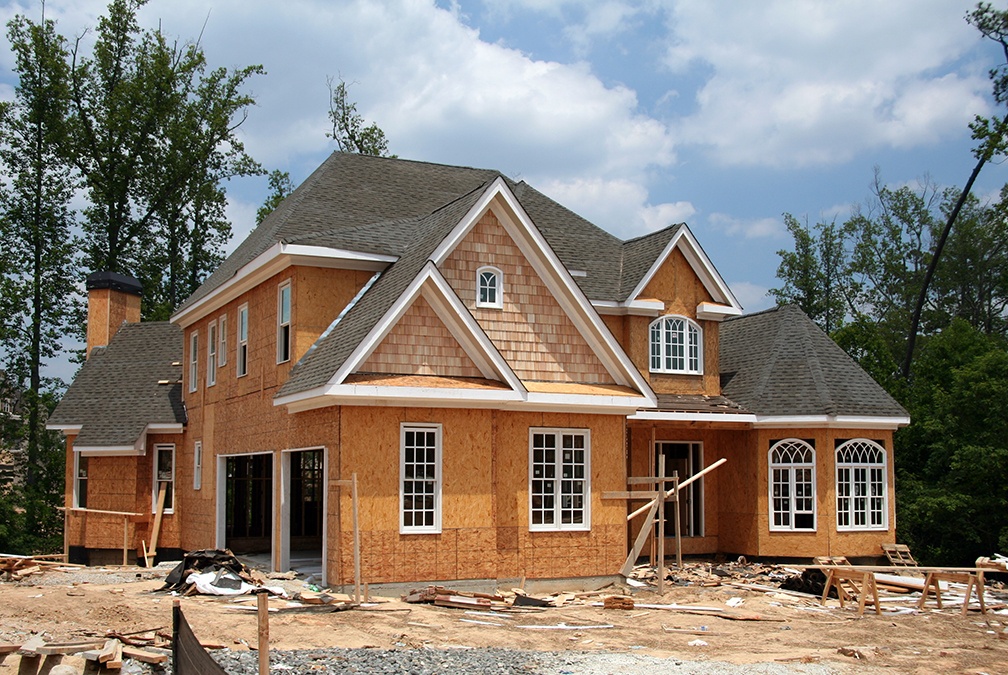 If you have been in the process of looking for a home for a long time, you understand just how difficult it has been. You may have considered building your own house, but after seeing the bidding wars for land before you even start building, you may have crossed newly built homes off your list. Now, there are a few reasons why you should consider adding new homes back to your search.