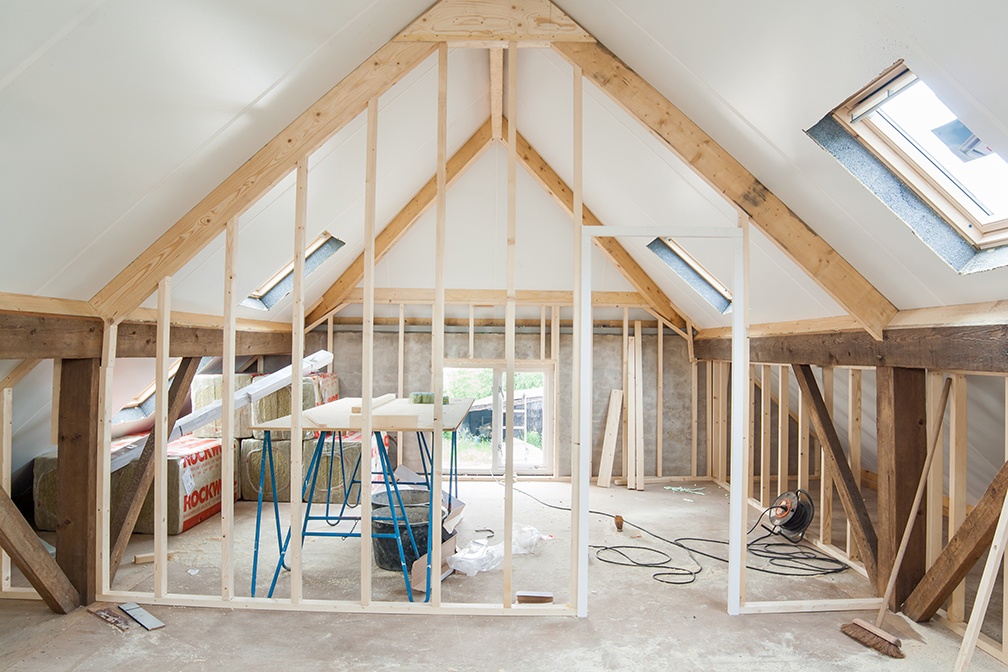
 Take a look around your home. Do you feel that burning desire to renovate or upgrade certain areas? Perhaps it’s the kitchen countertops or the décor in the master bedroom. Whatever the case, if you’re itching to take on a home renovation project you’ll want to ensure it’s one that makes your life better – not worse! Let’s take a look at four tips that will help you to avoid experiencing “renovator’s remorse.”
Ask Yourself: Will This Project Add Value?
If you’re renovating to build equity in your home, you’ll want to determine if the project is worth undertaking. There are many renovations that might seem to make the home more appealing, but in truth add next to no value that can be realized later when you sell. Be sure to choose those projects which will bump the home’s value by a significant amount.
Start With A Realistic Budget
Ask any friend or neighbor that has renovated their home and you’ll discover that costs can quickly spiral out of control if you’re not careful. With this in mind, it’s a good idea to start with a realistic budget that incorporates some additional room for last-minute tweaks or changes. Once you have the project scoped out, take a trip to your local building supply store and chat with the professionals. They’ll be able to help you understand what the actual costs of your renovation will be and they can point out things that you may have forgotten.
Measure Twice, Cut Once
Even the most skilled carpenters and tradespeople make mistakes, so you should rest assured that it can happen to you. Even if you have to go over your plans twice or three times, it’s worth knowing exactly what you’re going to do before getting started. As the saying goes: “measure twice, cut once.” Spending the necessary time preparing your work will go a long way in saving you time and money later.
Don’t Start If You Can’t Finish
The last piece of advice is to finish any home project that you start. A half-finished renovation project can degrade your quality of life significantly. And the longer it takes to get done, the less motivated you will be to finish it. Stay on task and get the job done as soon as possible.
If you’re interested in learning more about the home selling process or listing your home for sale, contact your local professional real estate agent.
 Last week’s economic news included readings on sales of new and previously-owned homes, Weekly readings on mortgage rates and new jobless claims were also released, along with coverage of Fed Chair Janet Yellen’s remarks at a conference in Jackson Hole, Wyoming.
 If you’re planning on selling your home, you’ve probably already started to consider how you’re going to stage it. Staging is one of the most important parts of the selling process. The way you present your home is key to leaving a positive impression on a potential buyer. Let’s explore a few ways that you can stage smaller outdoor spaces to make them feel like they’re much more than they are.
 Are you going to sell your house in the near future? If it’s a bit of a ‘fixer-upper’ – meaning that it’s in need of some renovation work – you may find some challenges in marketing it to potential buyers. Reducing the listing price is one option available to you, but there are other ways to highlight this kind of home. Let’s have a look at three key areas that you’ll want to focus on when trying to sell a home in less than perfect condition.
 Are you shopping around for a new house or apartment? One of the key considerations you will need to make is figuring out how much you want to invest in your new home. Below you’ll find our quick and easy guide to determining just how much “house” you can afford. Let’s get started!
 The negotiations are over. The seller has accepted your bid and the paperwork has been signed. Shortly, you’ll be handed the keys to your new home and you can start moving in. But of course, the work doesn’t end after the real estate closing process. In fact, it’s just beginning! In today’s article, we’ll share a few essential tasks that you’ll want to get to work on after the closing process is over.