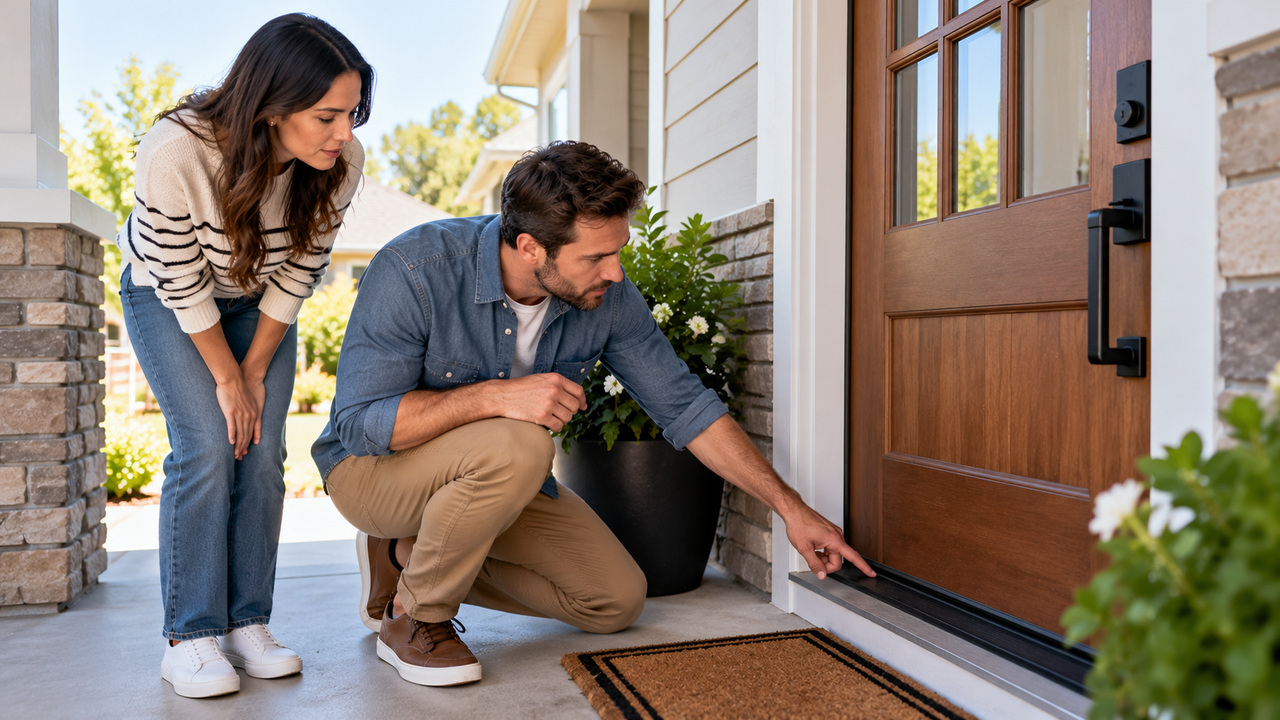
 The front door may seem like a minor detail when comparing homes. After all, buyers usually focus on kitchens, bedrooms, and outdoor space. Yet the location and design of the main entrance can affect how easily you receive deliveries, welcome guests, handle bad weather, and move through your daily routine.
Consider the Walk From Your Car
Start by imagining a typical day. Where will you park, and which door will you use when carrying groceries, bags, or children’s belongings?
Some homes have an attractive front entrance that is rarely used because the garage or side door is much more convenient. Others require a long walk from parking to the main entrance, possibly involving steps or uneven paths.
That route can feel very different when you are carrying heavy packages or arriving home in the rain.
Check Weather Protection
A covered porch, recessed doorway, or generous overhang can help protect visitors and deliveries from sun and precipitation. An exposed entrance may leave packages vulnerable to weather until someone brings them inside.
Look at where water drains near the doorstep and whether the entry surface appears slippery when wet. Consider how the door opens during windy conditions and whether there is enough protected space to stand while finding your keys.
A beautiful front elevation does not always mean a comfortable entry experience.
Think About Visitors and Deliveries
Can a visitor easily identify the correct entrance from the street? Is the walkway visible and well lit? Are house numbers easy to read?
An entrance hidden around a corner may create confusion for guests, delivery drivers, or service providers. On the other hand, a front door that opens directly toward a busy sidewalk may offer less privacy than you would prefer.
Check whether there is room for a welcome mat, small bench, or secure package location without blocking the doorway.
Pay Attention to the Interior Entry
Once the door opens, where do coats, shoes, backpacks, and deliveries go? A home without an entry area may send daily clutter straight into the living room.
Notice whether the door swings into furniture space and whether the entry path crosses the household’s busiest rooms. These small design choices influence how organized the home feels.
During your next showing, walk from the parking area to the front door and then through the entrance as though you were coming home after a busy day. That simple test can reveal whether the home’s first impression also works for real life.
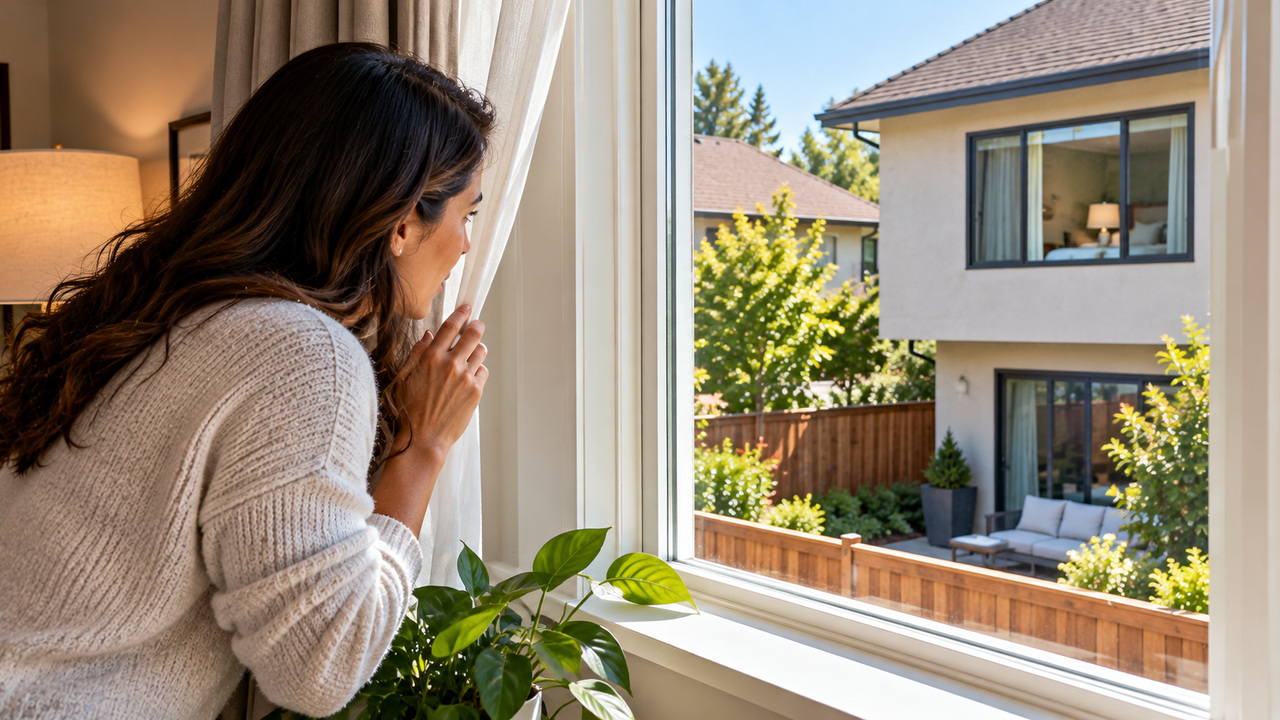 Large windows can make a home feel bright, spacious, and connected to the outdoors. But a beautiful view works both ways. Before falling in love with a wall of glass, buyers should consider how much of their everyday life might be visible from nearby houses, sidewalks, or elevated outdoor spaces.
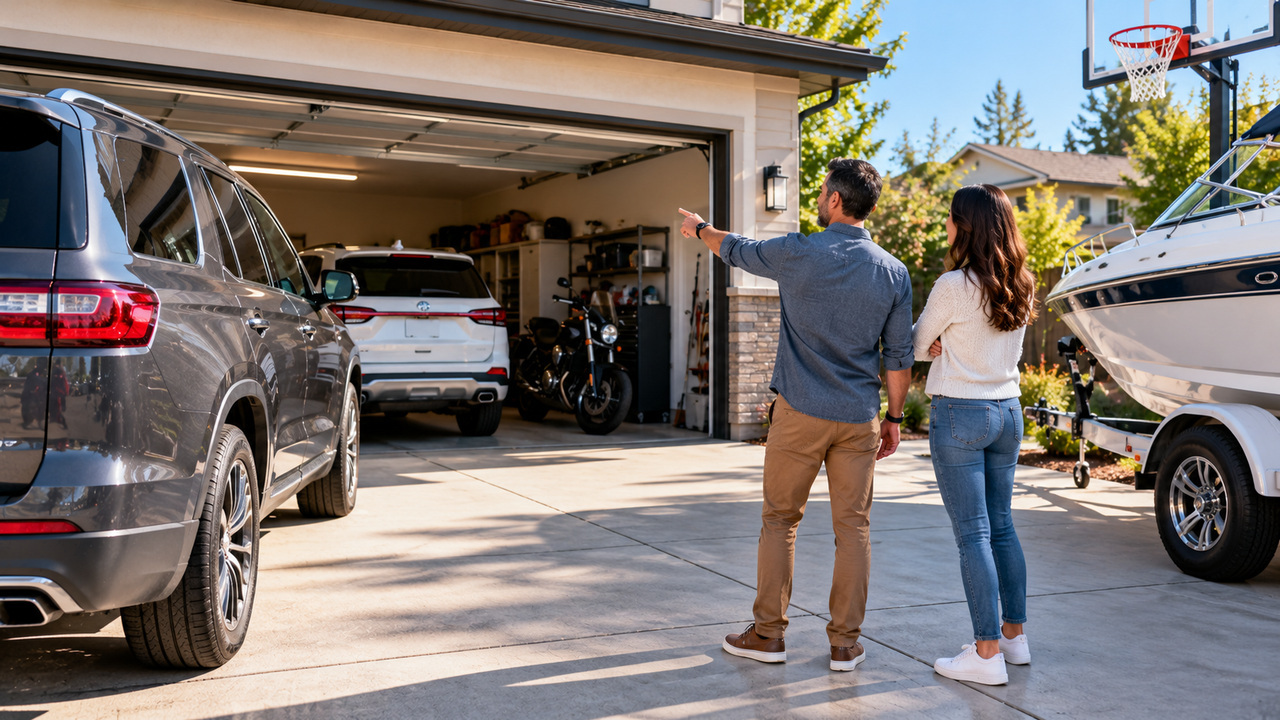 A listing that advertises a two-car garage may sound like a perfect match for a two-car household. But the number of garage doors does not always tell you whether your vehicles will fit comfortably. Before buying, it is worth testing the parking setup as carefully as you test the home’s interior layout.
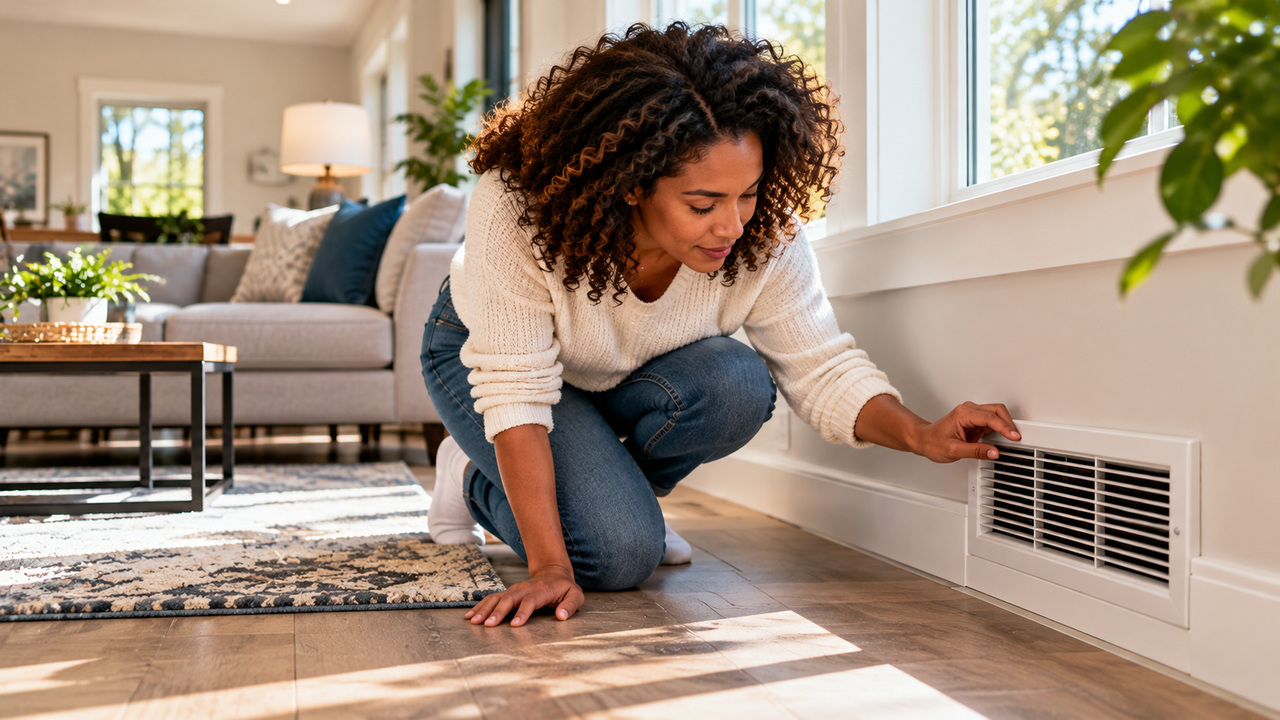 During a home tour, buyers often focus on room size, natural light, and finishes. Heating and cooling vents rarely receive the same attention. Yet their location can influence how comfortable a room feels, where furniture fits, and whether everyday living is as convenient as the listing photos suggest.
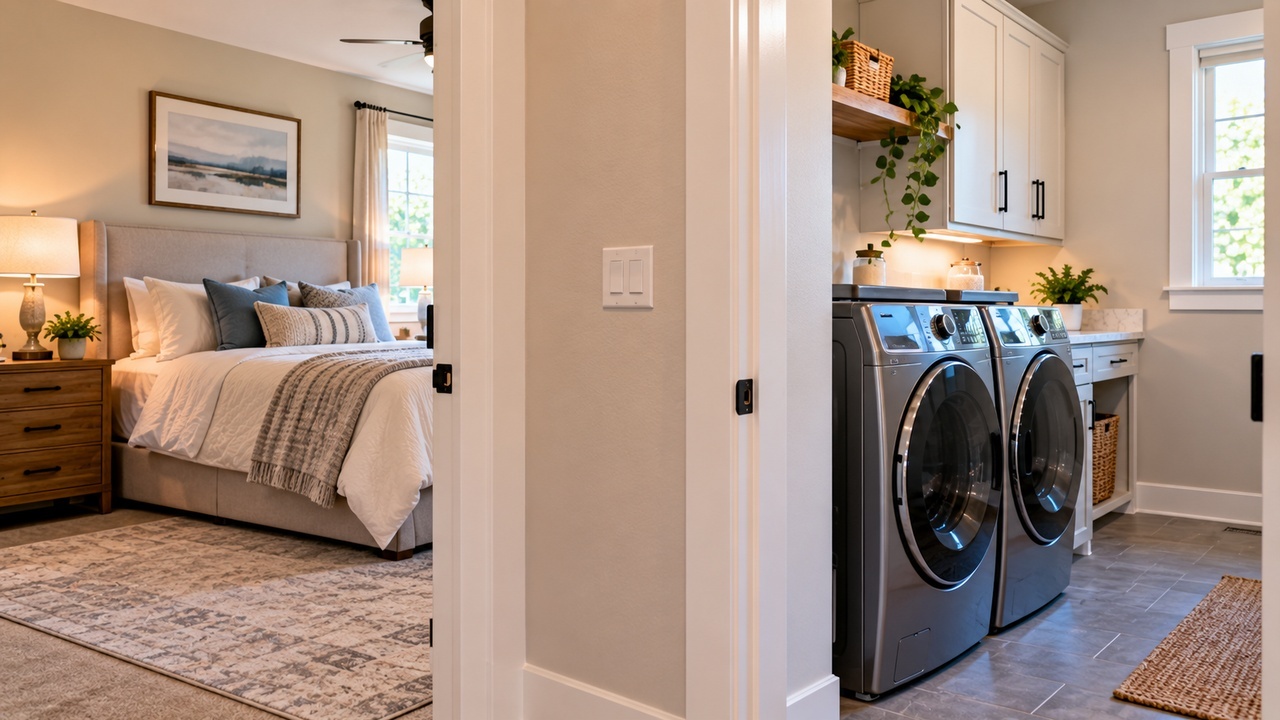 When buyers study a floor plan, they usually focus on where the rooms are located. Is the primary bedroom downstairs? Is the laundry room near the bedrooms? Is the kitchen open to the living area? There is another detail worth checking that may not be obvious during a showing: what is happening on the other side of each wall.
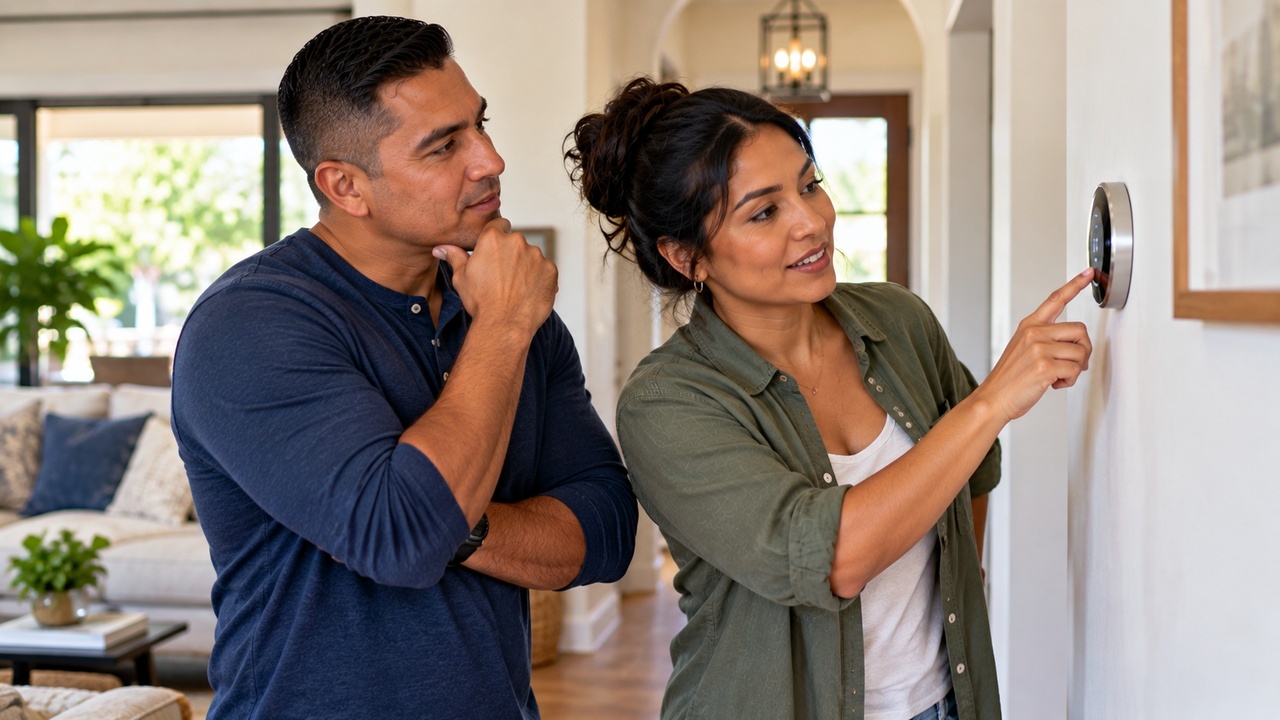 The thermostat is one of those household features buyers can walk past several times without giving it much thought. If the temperature feels comfortable during the showing, there may seem to be little reason to investigate further. But where a thermostat is located can influence what it senses about the temperature inside the home.