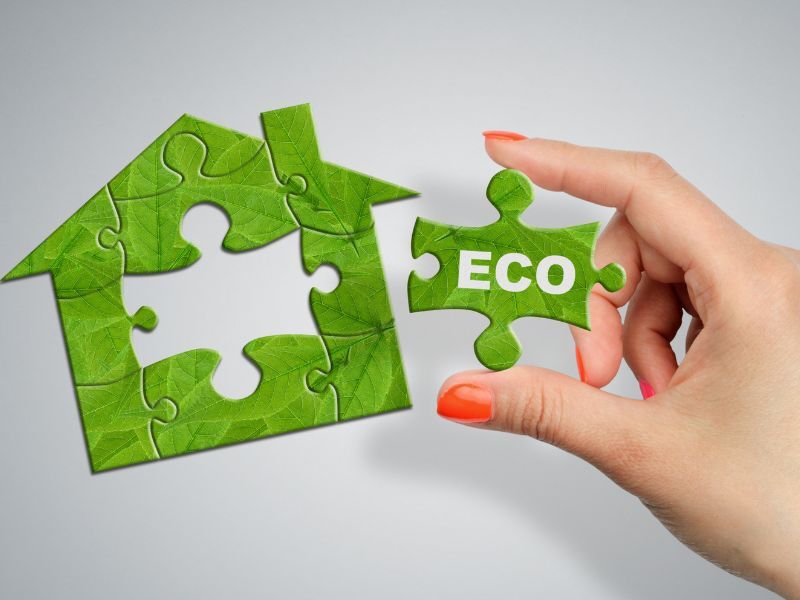
 In the ever-evolving landscape of real estate, an increasing number of investors and homebuyers are recognizing the importance of sustainability and eco-friendliness. Green real estate, which encompasses properties designed with a focus on environmental efficiency and resource conservation, is gaining prominence as a smart and responsible investment. This blog explores the key aspects of green real estate and why it is becoming an attractive option for consumers.
Environmental Benefits of Green Real Estate:
Green real estate developments prioritize eco-friendly construction practices and materials. These projects often incorporate renewable energy sources, efficient insulation, and sustainable landscaping. By choosing green real estate, investors contribute to reducing carbon footprints and minimizing the environmental impact of urban development.
Energy Efficiency and Cost Savings:
One of the most appealing aspects of green real estate is its emphasis on energy efficiency. Sustainable homes are equipped with energy-saving appliances, solar panels, and advanced insulation, leading to lower utility bills. Over time, these cost savings can significantly offset the initial investment, making green properties financially attractive in the long run.
Healthy Living Spaces:
Green real estate is designed with occupant health in mind. Features such as improved indoor air quality, non-toxic building materials, and ample natural light contribute to a healthier living environment. Buyers are increasingly valuing properties that prioritize well-being, making green homes a sought-after choice.
Government Incentives and Certifications:
Many governments around the world offer incentives for green building initiatives. These can include tax credits, rebates, and grants for energy-efficient upgrades. Additionally, third-party certifications, such as LEED (Leadership in Energy and Environmental Design), can add value to a property and assure buyers of its sustainability credentials.
Resilience to Market Changes:
As awareness of climate change grows, so does the demand for sustainable living spaces. Investing in green real estate positions buyers to meet the evolving preferences of the market. Sustainable properties are likely to maintain or increase their value over time, making them a resilient and future-proof investment.
Community and Social Impact:
Green real estate projects often contribute to community well-being. Sustainable neighborhoods may feature green spaces, communal gardens, and pedestrian-friendly infrastructure, fostering a sense of community. Investors in green real estate play a part in creating positive social and environmental impacts.
Green real estate represents more than just a trend, it is a meaningful shift toward smarter, healthier, and more sustainable living. By investing in eco-friendly properties, buyers and investors can enjoy long term financial benefits, improved quality of life, and the satisfaction of supporting a cleaner future.
As sustainability continues to shape the real estate market, green building practices will play an essential role in creating resilient communities and lasting value for generations to come.
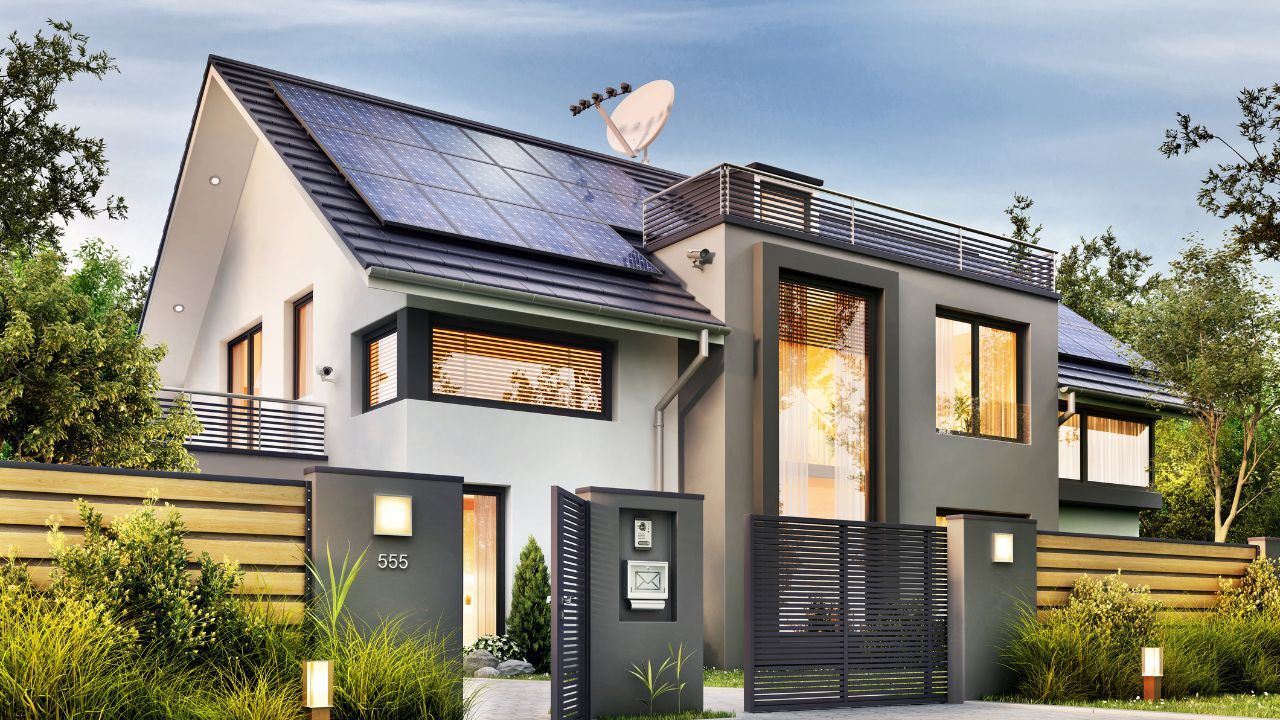 When it comes to increasing your home’s long-term value, not all upgrades are created equal. While stylish kitchens and luxurious bathrooms may attract attention, the smartest investment is one that continues to pay off for years to come: energy efficiency.
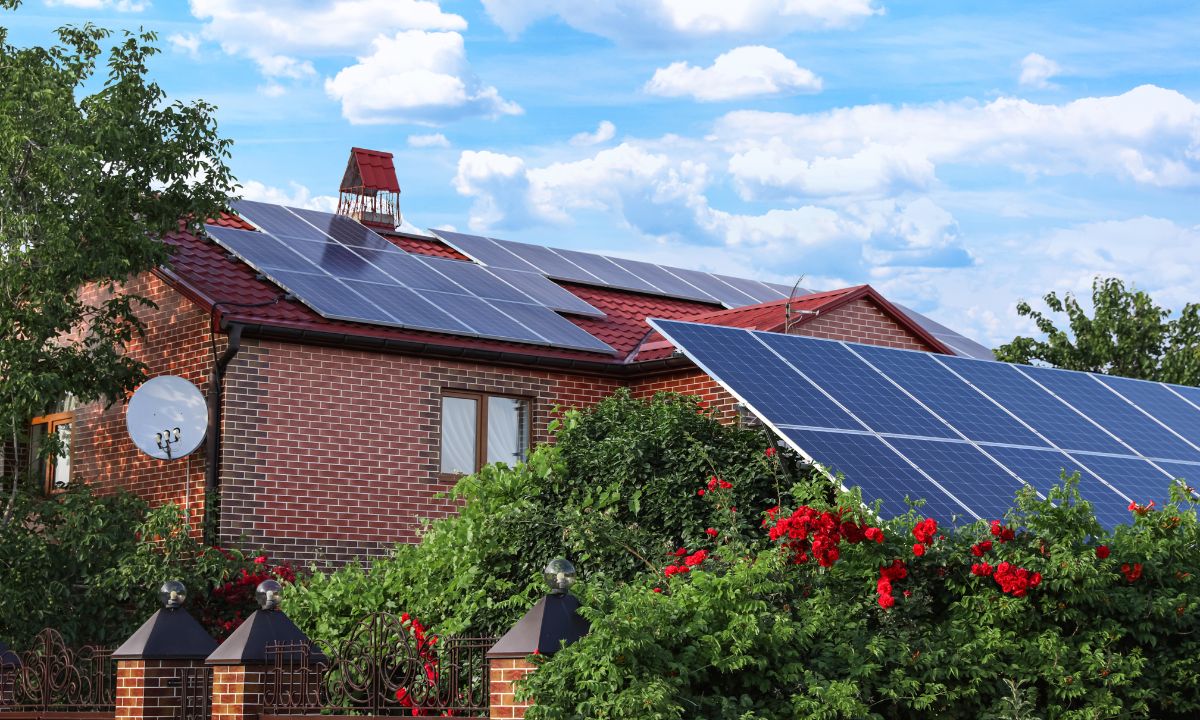 As the temperatures drop, keeping your home warm without drastically increasing your energy costs is a priority for many homeowners. Fortunately, there are simple yet effective strategies that can help you conserve heat while enhancing your home’s energy efficiency. By following these tips, you can maintain a comfortable indoor temperature, reduce your heating bills, and do your part to minimize your environmental impact.
 As temperatures continue to climb, it’s essential to find ways to keep your home cool while minimizing your utility bills. Here are several cost-effective strategies to achieve this without relying on your air conditioner.
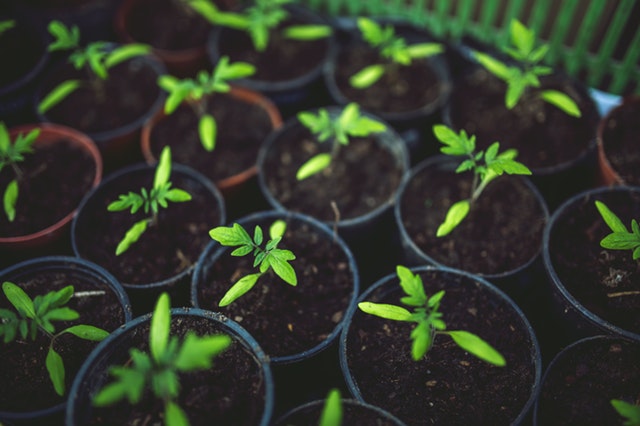 While a kitchen herb garden or pot-grown tomatoes may be commonplace in both suburban backyards and on urban condo patios, an increasingly large number of homeowners look to backyard farming as a way to relieve some of the stresses of modern life. Other benefits include cutting grocery bills, living a more sustainable life, and teaching children about food.