
Sunrise Homes & Renovations, Inc.

  • Home
  • About
    • About Us
    • Recognition
      • Disaster Contractors Network
      • US EPA Certified
    • Accessibility Statement
  • Example Models
  • Renovations
  • Resources
    • First Time Home Buyer Tips
    • First Time Home Seller Tips
  • Blog
  • Contact

12 Ways to Lower Your Monthly Utility Bills

March 22, 2019 by Rhonda Costa

12 Ways to Lower Your Monthly Utility BillsAccording to the US Department of Energy, the average American household paid $111.67 each month for utilities in 2017. With some research and a few DIY projects, property owners can reduce those energy costs without sacrificing comfort or convenience.

Establish Energy Friendly Habits

Reduce energy waste to see an immediate change in your utility payments.

  • Before bed, walk around your home. Make sure you turn off all lights, televisions, computers, and other plugged-in devices.
  • In the colder months, close the doors to unused spaces to save big on heating bills.
  • Dial down the heat before bed. Invest in extra blankets and cozy pajamas to keep warm without blasting the furnace.

Small habits can add up to big savings.

Incorporate DIY Solutions

These easy projects improve insulation so your interior stays comfortable without HVAC overuse.

  • Use weather stripping to seal off drafty windows.
  • Install door sweeps on all exterior doors to prevent outdoor air from compromising your indoor temperature.
  • Install a programmable thermostat. Many models allow you to automatically adjust temperatures throughout the day.

It doesn’t take a large investment of time or money to positively impact your utility bills.

Install Energy Efficient Appliances

Upgrading your appliances is a simple way to reduce energy waste.

  • Install a solar-powered water heater to eliminate the cost of hot water.
  • Replace your light bulbs with compact fluorescent (CFL) or LED versions.
  • Invest in an Energy Star rated washer and dryer to save money on your electric and water bills.

As a bonus, your new appliances improve the look and feel of your space.

Attend To Administrative Tasks

Pay attention to what you’re paying for. Small details can cost you big dollars.

  • Review your billing statements at least once every 3 months. Notice any changes in usage, rate, and fees.
  • Talk to your utility company about average payments. This option allows you to pay a flat rate rather than fluctuating per-use charges.
  • Install a Smart Meter to ensure accurate usage reporting.

Practice due diligence to protect your wallet from unnecessary charges.

You don’t have to make drastic changes to your lifestyle to control utility costs. Incorporate these easy fixes to bring down your monthly obligations without emptying your wallet.

If you are in the market for an energy efficient home, be sure to tell your trusted real estate professional who is ready to assist you with your search.

Filed Under: Real Estate Tagged With: Energy Conservation, Home Improvement, Real Estate

Real Estate Investing 101: Identify Your Investing Style

March 21, 2019 by Rhonda Costa

Real Estate Investing 101 Identify Your Investing StyleAre you just starting on your real estate investing journey? Many newcomers are surprised to learn that there’s more to making money on the real estate market than buying and selling. These are some of the most popular strategies real estate investors use to create profits. Which one is right for you?

Buy And Hold

Buy and hold investors play the market like stocks. They buy properties when prices are low, then hold them until values are high. During the holding period, some investors choose to offer their properties as rentals. Apartment buildings are also a popular option for buy and hold investors, as these properties are always in demand.

Buy and hold investors might run into problems with out-of-control cash flows. Make sure you have plenty of backup cash to keep you afloat until the next sale.

Short Term Rentals

Sharing apps like Airbnb are changing the way short term rentals are done. Instead of pumping money into sterile timeshare properties, travelers are choosing a more home-like environment during their vacations. Many real estates investors concentrate on maintaining homes in various locations and offering them as an alternative to more traditional temporary accommodations.

Vacation renters can be particularly hard on properties. Check your insurance coverage to make sure you have access to enough cash to repair or replace any damages your visitors leave behind.

Fix And Flip

Made popular by a plethora of cable television reality shows, fix and flippers purchase distressed properties at low costs. They then spend some time correcting cosmetic defects, sprucing up any signs of disrepair, and making the property ready for new residents.

A quick sale ensures maximum profit. However, those can be hard to find. If the market suddenly changes, you could find yourself stuck with mortgage payments you weren’t prepared to meet. Always have a backup plan to protect your personal assets.

Commercial Leasing

From the corner drug store to a multi-unit strip mall, commercial property presents a unique opportunity for more advanced real estate investors. It takes a lot of buying power to acquire commercial property. However, commercial leasers usually last much longer than their residential counterparts, which means a more secure and longer-lasting income stream.

Keep in mind that empty commercial buildings take longer to fill. Check your resources to ensure you can survive a long period at less-than-optimal occupancy.

Real estate investing is a diverse discipline. Choose the strategy that works best for you to enjoy a long and happy career.

If you are in the market for a new investment property, sure to contact your trusted real estate professional.

Filed Under: Real Estate Tagged With: Investments, Marketing Trends, Real Estate

Down Payment Money Saving Mistakes

March 15, 2019 by Rhonda Costa

Down Payment Money Saving MistakesAre you saving up money for a down payment? Saving money to put down on a home is always a smart idea, but there are right ways and wrong ways to go about it. Understanding how to best save for a down payment will go a long way toward ensuring you’re ready when you finally find the house of your dreams.

Here are four down payment money saving mistakes to avoid.

1. Not Saving Enough

It’s very admirable to have a goal of saving exactly 20% for a down payment. However, this is a common mistake new home buyers make. First of all, consider loan programs that allow for a lower down payment.

In addition, there are lots of other costs associated with buying a home that you must also plan and save for, including:

  • Closing Costs
  • Title Fees
  • Miscellaneous Fees
  • Time Off Work

2. Not Keeping Track Of The Source Of The Money

Many lenders have strict rules about where the money comes from for a down payment. Pay careful attention to the source of your down payment money, and keep accurate records. You may be asked to present these financial records to prove the source of funds as part of the mortgage review process.

3. Borrowing The Money

In addition, many lenders may allow only a certain percentage of the down payment to come from a family member. They want to know that you have the resources to come up with the down payment yourself without relying on favors from family members. Don’t make the mistake of borrowing excessively for the down payment, even if it’s from a third party lender.

4. Not Keeping Money In Reserve

It’s essential to keep some money in your savings account that isn’t earmarked for the down payment. You’ll need to disclose how much you have in savings and it will factor in where you get approved or not. Lenders want to see a history of consistent saving. This shows that you’re a financially responsible person with cash reserves in the event of an emergency.

The sooner you can start saving money for a down payment, the better. As you save, keep these four down payment money saving mistakes in mind so you have the best possible chances for being financially ready to act when you do find the house you want to purchase.

If you are considering a new home purchase, please contact a trusted real estate professional to assist you with this valued investment.

Filed Under: Real Estate Tagged With: Budget, Down Payment, Real Estate

Reduce Your Carbon Footprint with These DIY Home Projects

March 13, 2019 by Rhonda Costa

Reduce Your Carbon Footprint with These DIY Home ProjectsYour carbon footprint is the measure of your impact on the earth’s natural resources. This number describes the amount of fossil fuel it takes to support your lifestyle. In the United States, each person produces an average of 19.78 tons of carbon dioxide every year. A high carbon footprint means your daily habits are a quickening drain on our finite resources. 
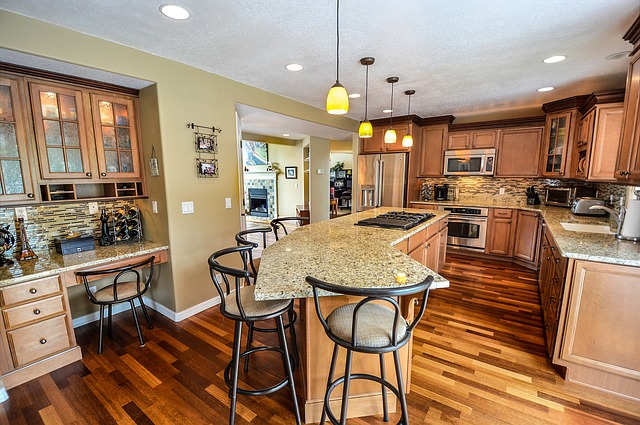
Homeowners can use these DIY projects to reduce the effect of their lifestyle on the environment.

Try Solar Solutions

A residential solar system gathers photo-voltaic energy from the sun and converts it into usable electrical current. Once installed, any energy your system produces is essentially free. However, the initial investment for a residential solar system to power your entire home can be prohibitively high. There are some ways to use solar power without a large upfront investment.

  • Take advantage of state and federal incentives to lower your out-of-pocket costs.
  • Opt for individual appliances like solar water heaters or solar lighting.
  • Talk to your utility provider about existing programs that allow you to sell back your excess power for bill credits.

You could also get your neighbor involved and build a neighborhood solar bank for charging batteries and electric vehicles.

Plant A Vegetable And Herb Garden

Food transportation is one of the leading contributors to greenhouse gases. Reduce your impact even further by growing some of your own food. Use containers, shelves, or construct a hanging wall garden to keep your home supplied with salad greens, tomatoes, and herbs of all kinds. Having a garden means fewer trips to the grocery store, which saves our supplies of natural gas.

Install A Clothesline

Skip the gas-powered appliances and hang your freshly washed laundry out on a clothesline to dry. When the weather is nice, your clothes will come back in with a sweet scent you can’t get anywhere else. And instead of spending the time staring at a spinning machine, you get the added benefit of fitting a little extra exercise into your day. You don’t have to completely ditch your dryer. Save it for rainy days or other unfriendly weather conditions.

Lowering your carbon footprint doesn’t have to be a big life change. Start with small steps and slowly build your property in an earth-friendly fortress.

If you are interested in greener living, be sure to tell your trusted real estate professional that finding an environmentally friendly property is a top priority.

Filed Under: Real Estate Tagged With: Green Living, Home Improvement, Real Estate

14 Remodeling Projects That Increase the Value of Your Home

March 12, 2019 by Rhonda Costa

14 Remodeling Projects That Increase the Value of Your HomeYour home is likely your largest investment. Beyond repairs and regular maintenance to keep it clean, comfortable, and safe, there are a number of projects that can increase the resale value of your property. These renovations top the list of changes you can make that positively impact your home’s value.

Kitchen

With the right strategy, your kitchen remodel could return up to 92.9% of your construction investment. The trick is to not overdo it. You don’t need to gut and rebuild the entire room. Instead, make strategic upgrades that increase the comfort and usability of the room.

  • Paint wooden cabinets or install new doors and fixtures.
  • Install track lighting or LED features.
  • Refresh or change countertops.
  • Refurbish flooring and spruce up walls with warm, neutral colors that are easy to clean.

Invest in new appliances right before you put your home on the market to catch the eye of potential buyers and pull them in.

Odd Spaces

Older homes with distinctive architecture stand out from the crowd of cookie-cutter residences. However, these unique buildings often hide a lot of unused space. Make the most of every inch of your home to entice buyers to place a bid.

  • Convert a basement into a bonus room.
  • Turn the space underneath a staircase into a storage closet.
  • Divide oversized dining rooms to create a small home office.

Most buyers aren’t looking for a long-term project. Instead of pointing out the potential of your property, make it easy to see by getting creative with odd spaces.

Increase Energy Efficiency

In 2017, the average monthly utility bill reached $111.67. Help potential buyers lower their monthly costs by installing energy-efficient options throughout the home.

  • Install a solar water heater.
  • Change the windows to more energy-efficient models.
  • Add extra insulation to outer rooms and around doors and windows.
  • Use LED lighting outdoors and throughout the home.

You may be able to get some help paying for your earth-friendly upgrades with state and federal incentives.

Bathrooms

After the kitchen, bathrooms are the most scrutinized feature of homes for sale. Once again, a little goes a long way in these rooms.

  • Update fixtures with shiny metals for a modern look.
  • Change out the toilet seat.
  • Fix up the shower tiles and head.

These projects don’t take a lot of time. However, they can offer a big payoff when you decide to sell your home.

If you are looking for a new home or interested in listing your current property, be sure to contact your trusted real estate professional.

Filed Under: Real Estate Tagged With: Home Improvement, Real Estate, Remodel

3 Questions to Ask Before You Buy Your First Home

March 8, 2019 by Rhonda Costa

3 Questions to Ask Before You Buy Your First HomeHunting for your new home can be a confusing process. There are countless factors you need to take into account to ensure your new location fits your family’s lifestyle and preferences. In their excitement, first-time home buyers can easily overlook some essential points about their potential property.

When you’re searching for your new residence, ask these questions to get exactly what you’re looking for.

Am I Financially Ready For A New Home Purchase?

It takes more than money to find the right home. Your credit rating is an important factor in your ability to secure enough funding to finance your dream. Check out your credit score before you buy to make sure you won’t have to settle for less.

Some of the things you have the greatest control over include:

  • Payment history
  • Credit utilization ratio
  • Debt-to-income ratio

Even with a large down payment, having a questionable credit history can endanger your chances of qualifying for mortgage loans. Spend some time shining up your credit report for the best results. Getting a pre-approved home loan is a great way to find out how much house you can afford before you start shopping.

Is This The Right Neighborhood For Me?

No matter how beautiful the structure itself is, your house won’t seem like a home unless you’re comfortable with the surrounding neighborhood. Take a walk around your potential block to assess the area and compare it to your needs.

  • For families with children, are there high-quality schools in the area?
  • Do your neighbors’ homes seem well-kept?
  • What amenities (dry cleaner, grocery stores, parks, etc) do you want in your community?
  • How do the roads and sidewalks look?

Before committing to a purchase, visit the home at different times of the day to get an idea of what you might have to live with.

Am I Ready To Settle Down?

Align your home purchase with your future goals. If you know you’re planning to move out-of-state in the next several years, take that into account when shopping for a home. Will you be able to sell quickly enough before you leave? Or do you plan to retain ownership of the home and rent it out while you’re away?

Think about the directions your life might take in the next 5 to 10 years. By looking ahead, you can make a better plan for the best home you can afford which will accommodate you and your family in the years to come.

Buying your first home is a major decision. Knowing your goals, desires, and abilities before agreeing to a purchase a home will make you the most comfortable moving forward.

One of the best partners in your home search will be your trusted real estate professional. Be sure to make contact as soon as you are considering a new home purchase.

Filed Under: Real Estate Tagged With: Credit, Home Purchase, Real Estate

  • « Previous Page
  • 1
  • …
  • 89
  • 90
  • 91
  • 92
  • 93
  • …
  • 116
  • Next Page »

Rhonda & Steve Costa

Rhonda & Steve Costa

Call (352) 398-6790
Sunrise Homes & Renovations, Inc.

Contractors License #CBC 1254207

Let’s Keep In Touch!

  • This field is for validation purposes and should be left unchanged.

Connect With Us on Social Media

Categories

Looking For Something?

Our Location


Spring Hill, FL 34608

Equal Housing Opp

Return to top of page

Copyright © 2026 Sunrise Homes & Renovations, Inc.. All rights reserved.   Log In