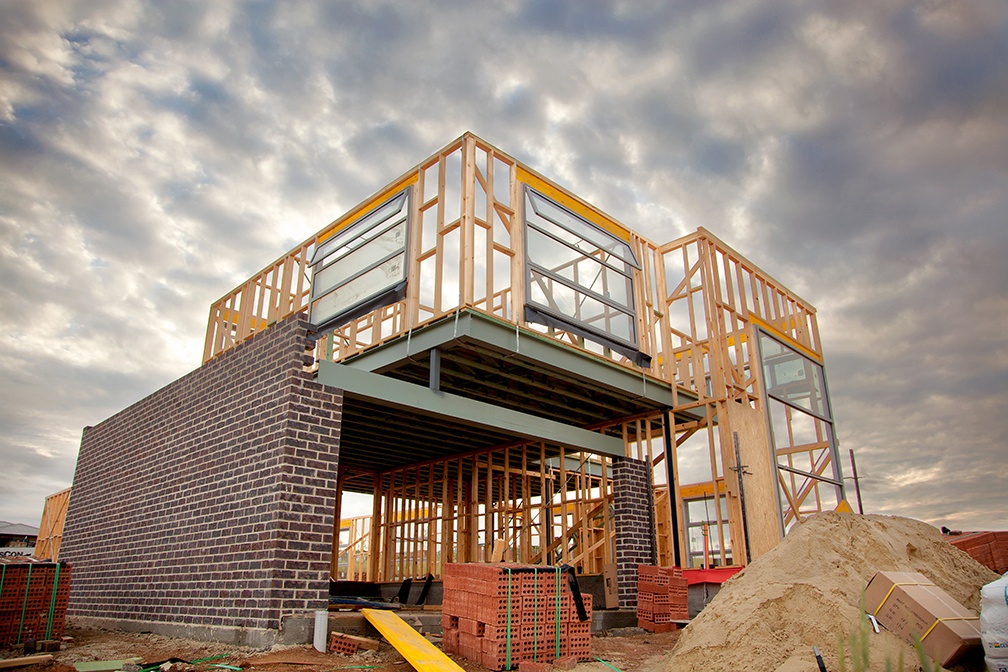
 Are you looking to buy a new house in the near future? If so, one of the choices you will face is constructing your own brand-new home or buying an existing home. The idea of building a new house on the right piece of land might sound enticing, but what if you could have a larger, more luxurious existing home in the same neighborhood for a much lower cost?
As you might imagine, there are pros and cons to each kind of home. In today’s blog post we will explore whether you should build a new home or buy an existing one.
Building Your Ultimate Dream Home
Let’s get the obvious out of the way first. If you can afford the combined cost of the land, the house and all of the furnishings, then building a new home is an amazing experience. It is the chance to completely customize everything about your home, right down to having your family put their handprints in the foundation. You will be able to design the garage, media room, bedrooms, bathrooms, kitchen and everything else exactly the way you want it. The house will truly feel “yours,” as it’s built in your vision.
Aside from the higher cost, there are other potential downsides to building a new home. Between permits, booking contractors, wrapping up all of the necessary paperwork and construction time, building a new home can be stressful. It can also take much longer than buying an existing home outright.
Well-Kept Existing Homes Have Lots Of Upside
Buying an existing home has its upsides as well. It’s almost certainly going to be a much faster process than trying to build your own home from scratch. As long as you can find suitable listings, you can typically purchase and move into an existing home within a few weeks. You can also customize it to your liking, although not to the extent that you would with brand-new construction. It’s also likely to be less expensive, although that depends on a variety of factors including the city you’re buying in, the real estate market, the size of the home and more.
In the end, the choice comes down to budget, timing and personal preference. However, whether you decide to build new or you are okay with a lovely home that already exists, our professional real estate team is here to help. Contact us at your convenience and we’ll be happy to share local home and land listings that suit your needs and budget. We look forward to meeting you.
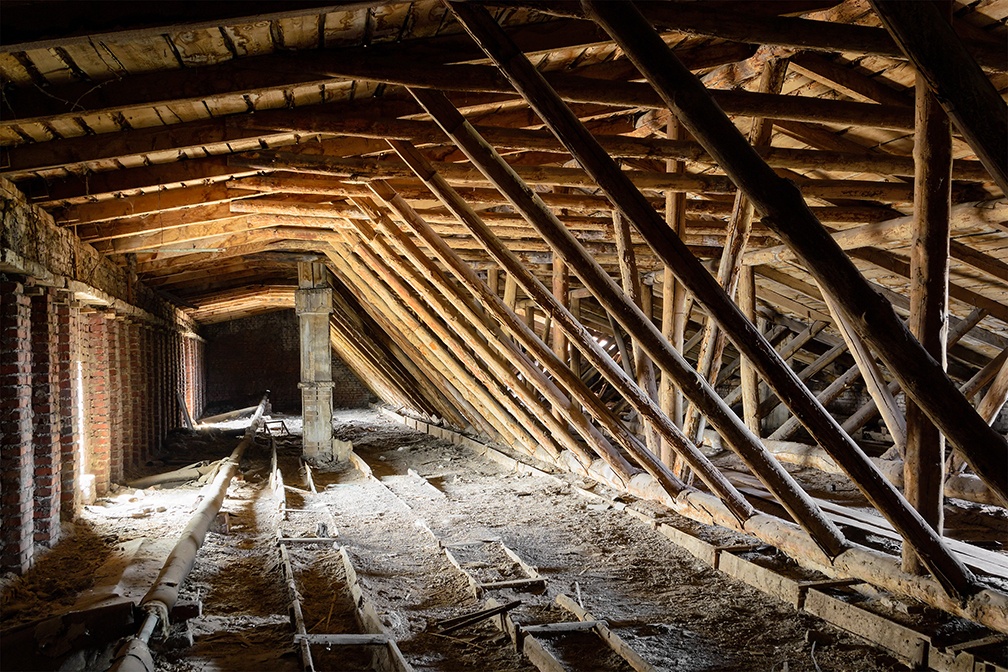 Are you a fan of homes with a bit more character than newer, modern designs? Whether in pristine condition or more of a “fixer upper,” older homes are incredibly popular in cities across the country. However, there are some key factors to consider if you’re thinking about buying a home built decades ago before modern standards were enforced.
 Are you thinking about buying a new house, condo or apartment? Whether you are upgrading, downsizing or investing, if you intend on borrowing the funds you’ll need to be pre-approved for a mortgage. In today’s blog post we’ll explore mortgage pre-approval and why this should be one of your first steps in buying a new home.
 Are you listing your home for sale? If so, it is time to get ready to meet with buyers and their real estate agents. And while you surely want to sell your home as quickly as possible, you will also want to do your homework to make sure you’re selling to the right person. Let’s explore the process of buyer qualification and why it’s important to do a little digging into potential buyers of your home.
 Is it time to move on from your house, townhouse or condo? If a sale is in your near future, you will want to start looking for a professional selling agent or broker to help manage the process. Let’s take a look at our quick and easy guide to finding the best real estate agent to handle your home sale.
 Are you thinking about selling your home? If so, you may be weighing the pros and cons of working with a professional real estate agent. Let’s take a quick look at three great reasons why you won’t want to handle the sale yourself.