Sunrise Homes & Renovations, Inc.

  • Home
  • About
    • About Us
    • Recognition
      • Disaster Contractors Network
      • US EPA Certified
    • Accessibility Statement
  • Example Models
  • Renovations
  • Resources
    • First Time Home Buyer Tips
    • First Time Home Seller Tips
  • Blog
  • Contact

What Makes a Home Feel Overpriced to Buyers

March 18, 2026 by Rhonda Costa

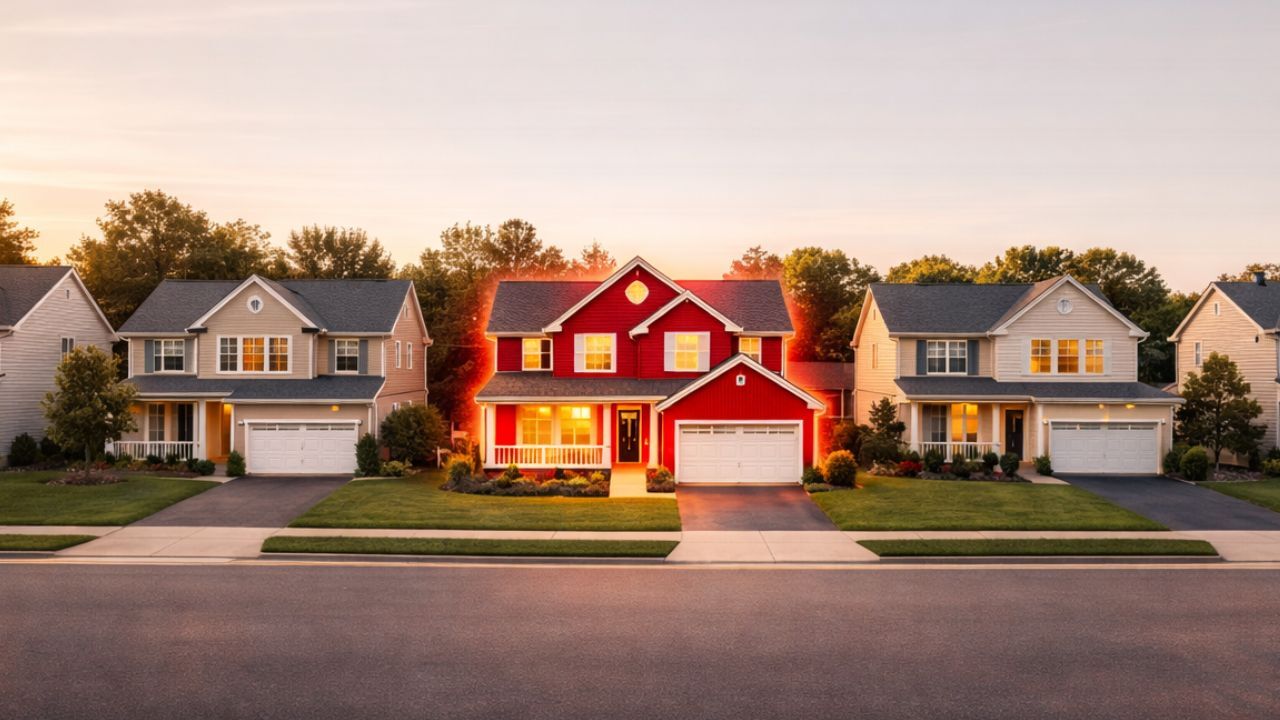
Buyers quickly form impressions about whether a home feels fairly priced. Even before reviewing detailed data, perception influences interest levels. When a property feels overpriced, buyers may skip showings entirely or submit lower offers. Understanding what creates that perception allows sellers to adjust before losing momentum.

Comparison Drives Judgment
Buyers compare listings side by side. If a similarly sized home nearby offers updated finishes or better layout at the same price, the less-up-up-to-date property may appear overpriced. Perception is relative, not isolated.

Condition Versus Asking Price
Visible maintenance issues significantly impact buyer confidence. Worn flooring, dated fixtures, or needed repairs can make even a reasonably priced home feel expensive. Buyers factor in renovation costs immediately.

Online Presentation Matters
High quality photos and clear descriptions shape expectations. Poor presentation can create mismatch between asking price and perceived value. Professional photography often enhances buyer engagement and reduces price resistance.

Price Reductions Can Signal Misalignment
Multiple price reductions may create skepticism. Buyers may wonder why previous pricing failed to attract offers. Setting the correct price from the beginning often preserves leverage.

Emotional Pricing Creates Risk
Sellers sometimes price based on personal attachment or past improvements. The market evaluates based on comparable data and demand conditions. Aligning expectations with reality increases success.

Pricing perception influences whether buyers engage or move on. If you want to evaluate how your property compares within the current market and ensure it feels competitively priced, contact us today to review a tailored pricing analysis.

Filed Under: Home Seller Tips Tagged With: Home Pricing, Real Estate Strategy, Seller Tips

Negotiating Offers Without Losing Leverage

March 17, 2026 by Rhonda Costa

Receiving an offer is exciting, but the negotiation phase determines the true outcome of a sale. Many sellers focus only on the highest price, overlooking terms that can significantly affect net proceeds and timeline stability. Successful negotiation requires understanding of both financial and contractual components. Strategic evaluation protects leverage and strengthens final results.

Price Is Only One Variable
An offer includes more than the purchase amount. Contingencies, inspection timelines, closing dates, and requested concessions all influence overall value. A slightly lower offer with fewer contingencies may provide greater certainty than a higher offer with multiple conditions. Evaluating the full structure prevents surprises.

Contingencies Carry Risk
Financing contingencies, appraisal conditions, and home sale contingencies introduce varying levels of uncertainty. Sellers should assess the strength of each component. Offers with minimal contingencies often proceed more smoothly. Understanding the implications of each clause allows for informed counter offers.

Timing Can Influence Net Outcome
Closing timelines matter. A flexible closing date may reduce holding costs, while extended timelines may increase expenses such as utilities and maintenance. Aligning the contract schedule with your personal plans protects both financial and logistical interests.

Counteroffers Should Be Strategic
Responding emotionally can weaken leverage. Counteroffers should focus on protecting key priorities, whether that is price, inspection scope, or timeline. Clear communication and structured responses create momentum rather than conflict.

Multiple Offers Require Careful Handling
In competitive situations, presenting clear response deadlines and organized communication maintains fairness and encourages strong final terms. Transparency and professionalism preserve negotiating strength.

Negotiation is where preparation meets opportunity. Evaluating the full structure of each offer ensures you protect value, not just price. If you are preparing to sell and want a negotiation strategy that safeguards your position, contact me today to plan your approach with clarity.

Filed Under: Real Estate Tips Tagged With: Contract Terms, Offer Negotiation, Real Estate Strategy

The Psychology of Curb Appeal and Buyer Perception

February 18, 2026 by Rhonda Costa

Curb appeal is often discussed in terms of landscaping, fresh paint, and updated fixtures. While those elements matter, the deeper principle at work is perception management. Exterior presentation shapes emotional response before a buyer ever crosses the threshold. By the time the front door opens, an opinion has already begun forming.

First Impressions Happen in Seconds
Behavioral research consistently shows that people form judgments quickly. In real estate, those first seconds matter. An overgrown lawn, peeling trim, cluttered porch, or cracked walkway can subconsciously signal deferred maintenance. Even if the interior has been renovated, early hesitation may linger. Buyers do not always separate emotional reaction from objective evaluation. The exterior sets the tone for everything that follows.

Visual Order Creates Psychological Comfort
Order communicates care. Clean lines, trimmed landscaping, neutral color palettes, and well maintained entryways suggest stewardship. Buyers often associate exterior organization with interior reliability. When a property looks maintained from the street, it reduces perceived risk. That reduction in uncertainty increases comfort, and comfort increases willingness to engage more deeply with the home.

Lighting as a Subtle Trust Signal
Exterior lighting plays a larger role than many sellers realize. Well positioned, functioning lighting near entry points communicates safety and attention to detail. It signals that the property is thoughtfully maintained. Dim, flickering, or non functioning fixtures can quietly introduce doubt. Buyers may not consciously articulate the concern, but perception shifts nonetheless.

The Framing Effect for Fixer Uppers
For properties that need interior updates, exterior presentation becomes even more important. If buyers see evidence of effort outside, they are more likely to imagine potential inside. A clean, orderly exterior reframes cosmetic interior work as manageable improvement rather than overwhelming renovation. Perception influences possibility.

Signaling Stewardship, Not Luxury
Curb appeal is not about extravagance. It is about signaling responsibility and care. Simple improvements such as pressure washing, repainting the front door, refreshing mulch, and decluttering visible areas can meaningfully shift buyer psychology. When buyers feel confident before stepping inside, resistance decreases and engagement increases.

The exterior is the first chapter of the homeís story. When that chapter communicates care, the rest of the show unfolds with greater trust and openness.

Filed Under: Real Estate Tagged With: Curb Appeal, Home Selling Tips, Real Estate Strategy

Rhonda & Steve Costa

Rhonda & Steve Costa

Call (352) 398-6790
Sunrise Homes & Renovations, Inc.

Contractors License #CBC 1254207

Let’s Keep In Touch!

  • This field is for validation purposes and should be left unchanged.

Connect With Us on Social Media

Categories

Looking For Something?

Our Location


Spring Hill, FL 34608

Equal Housing Opp

Return to top of page

Copyright © 2026 Sunrise Homes & Renovations, Inc.. All rights reserved.   Log In