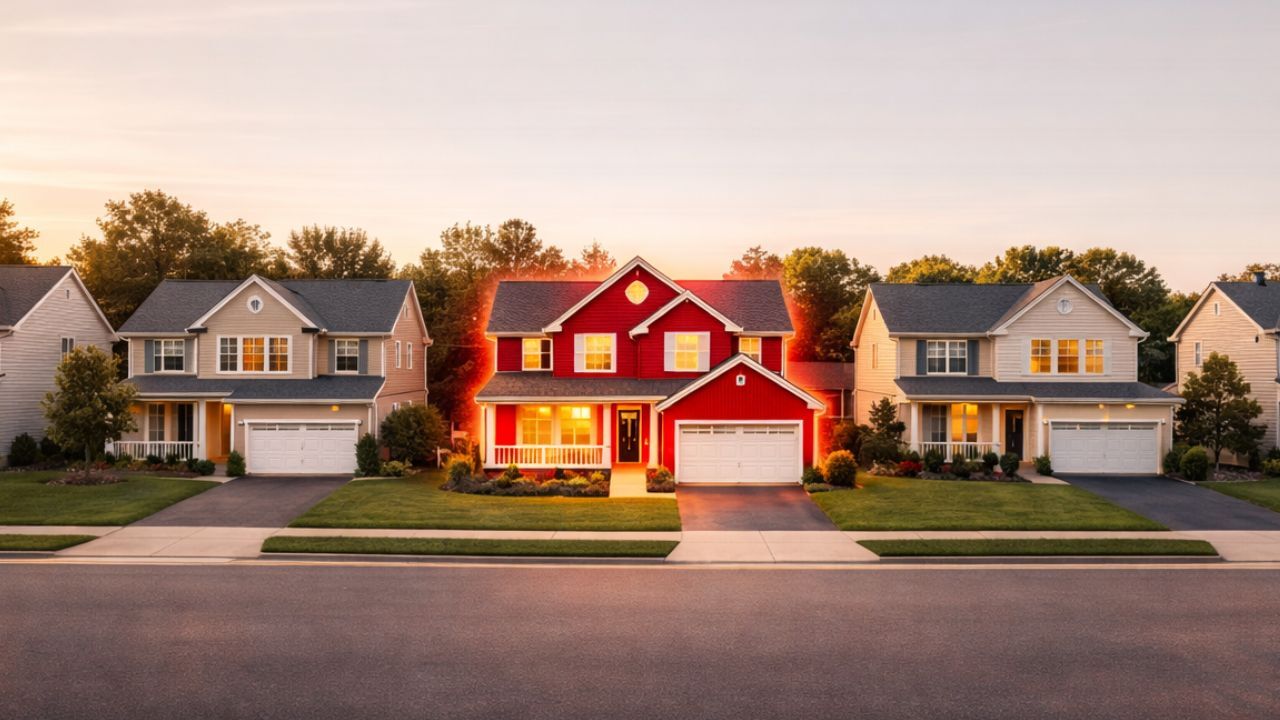
 Buyers quickly form impressions about whether a home feels fairly priced. Even before reviewing detailed data, perception influences interest levels. When a property feels overpriced, buyers may skip showings entirely or submit lower offers. Understanding what creates that perception allows sellers to adjust before losing momentum.
Comparison Drives Judgment
Buyers compare listings side by side. If a similarly sized home nearby offers updated finishes or better layout at the same price, the less-up-up-to-date property may appear overpriced. Perception is relative, not isolated.
Condition Versus Asking Price
Visible maintenance issues significantly impact buyer confidence. Worn flooring, dated fixtures, or needed repairs can make even a reasonably priced home feel expensive. Buyers factor in renovation costs immediately.
Online Presentation Matters
High quality photos and clear descriptions shape expectations. Poor presentation can create mismatch between asking price and perceived value. Professional photography often enhances buyer engagement and reduces price resistance.
Price Reductions Can Signal Misalignment
Multiple price reductions may create skepticism. Buyers may wonder why previous pricing failed to attract offers. Setting the correct price from the beginning often preserves leverage.
Emotional Pricing Creates Risk
Sellers sometimes price based on personal attachment or past improvements. The market evaluates based on comparable data and demand conditions. Aligning expectations with reality increases success.
Pricing perception influences whether buyers engage or move on. If you want to evaluate how your property compares within the current market and ensure it feels competitively priced, contact us today to review a tailored pricing analysis.
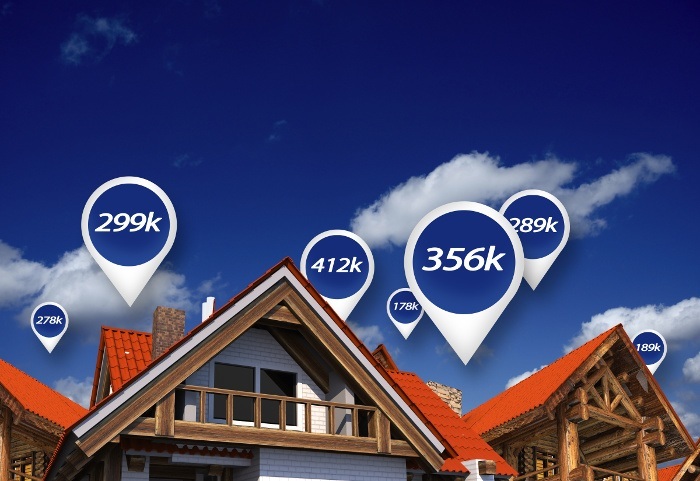 Many people rely on the price they paid for their home as a starting point for selling, but with the ever-shifting tides of the real estate market, the price paid is not always the best metric to go by. If you’re putting your home up for sale and are looking for the ideal price point, here are some ways you can arrive at a number that will keep potential buyers interested.
 If you are thinking about selling your home, then you want to make sure that you get as much money for your home as possible. Therefore, there is a solid chance that you are thinking about all of the places that you watched your kids grow up, the numerous parties that you hosted, and the countless holidays that you celebrated. To you, those memories are priceless.
  Case-Shiller’s National Home Price Index showed little change in April as home prices rose by 0.10 percent to a year-over-year average of 4.70 percent. The 20-City Home Price Index showed corresponding home price growth of 0.10 percent to 4.00 percent year-over-year.