 The moment a home hits the market, pricing sends a signal to every buyer. If the price aligns with the condition, location, and current market trends, it immediately attracts attention. Buyers today are highly informed. They are comparing homes online before they ever step inside.
If a home is priced too high, even slightly, it can be skipped without a second thought. Once that initial wave of interest is missed, it becomes much harder to regain momentum. On the other hand, homes priced correctly from the start often generate strong interest quickly, which can lead to multiple offers and faster sales.
First Impressions Happen Online
Most buyers see a home online before they ever schedule a showing. That means photos, listing descriptions, and presentation matter more than ever. A home with bright, clean photos and a clear, inviting description stands out immediately. Poor lighting, cluttered spaces, or low quality images can turn buyers away before they even consider visiting. The first few days on the market are critical. If a home does not make a strong impression right away, it can sit longer simply because fewer people are interested in seeing it in person.
Condition and Presentation Make a Difference
Buyers are not just looking at the structure of a home, they are imagining their life in it. Small details play a big role in that experience. Cleanliness, lighting, and overall upkeep can influence how a home feels. A well maintained home feels move in ready, while a home with visible wear and tear can raise concerns. Even minor issues can make buyers wonder what bigger problems might exist. Homes that are staged or thoughtfully presented tend to sell faster because they help buyers picture themselves living there.
Market Conditions Still Matter
The broader market also plays a role in how quickly homes sell. In a strong market with high demand, homes may sell quickly even if they are not perfect. In a slower market, buyers have more options and tend to be more selective. This makes pricing and presentation even more important. Understanding the local market conditions can help sellers set realistic expectations and make smarter decisions when listing their home.
Strategy Can Change the Outcome
If a home has been sitting on the market, it does not always mean something is wrong with it. Often, it comes down to strategy. Adjusting the price, improving presentation, or updating marketing efforts can bring new attention. Sometimes small changes can create a fresh wave of interest.
The key is recognizing when something is not working and making the right adjustments early. Homes that sell quickly are rarely random, they are usually the result of the right strategy from the beginning.
 Making an offer without understanding the current market conditions can lead to overpaying, losing leverage, or missing opportunities. Buyers who take time to analyze inventory levels, pricing trends, and competition patterns make stronger decisions.
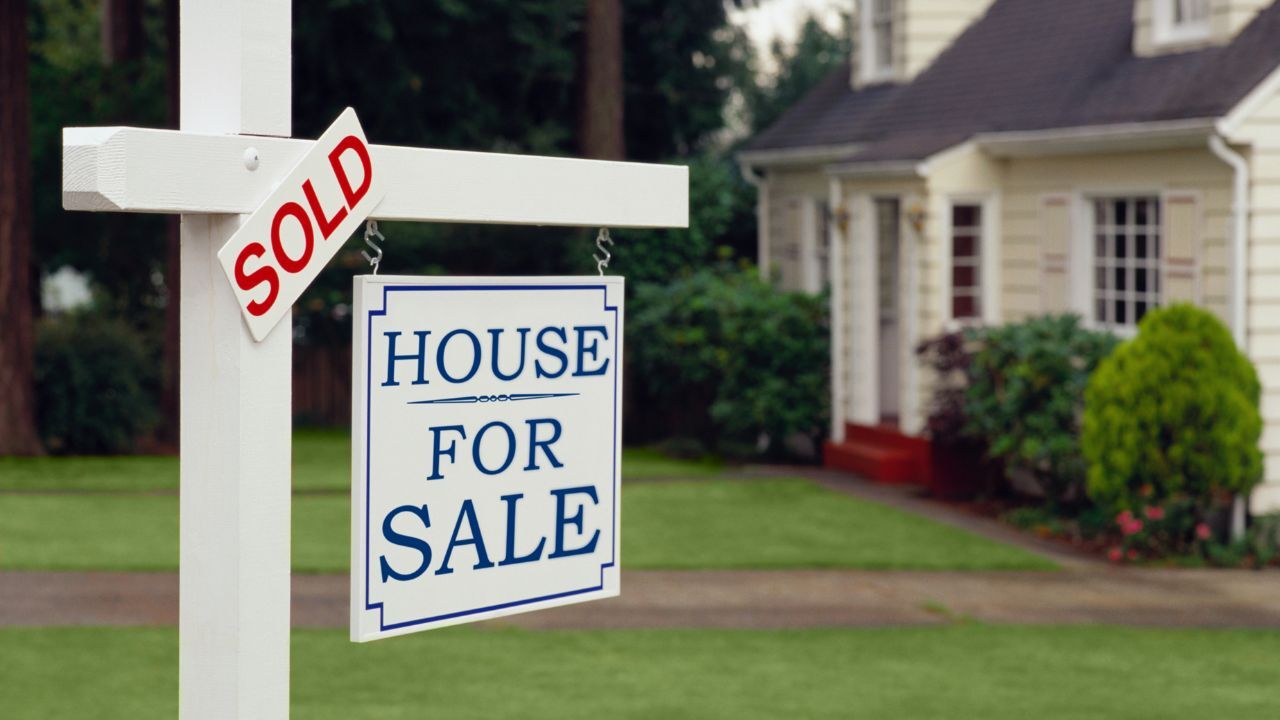 More than two years have passed since the official end of the pandemic emergency, but the ripple effects continue to shape how people buy and sell homes. From remote work to rising costs, the real estate landscape has changed, and buyers and sellers need to understand the trends that continue to drive the market.
 The real estate market has been red hot this year, with many people looking to purchase a home because of record-low interest rates. This includes younger individuals, as younger generations are interested in owning a house for the first time. The past couple of years have been anything except normal, and the housing market has taken off, with demand far exceeding supply. Why is this taking place?
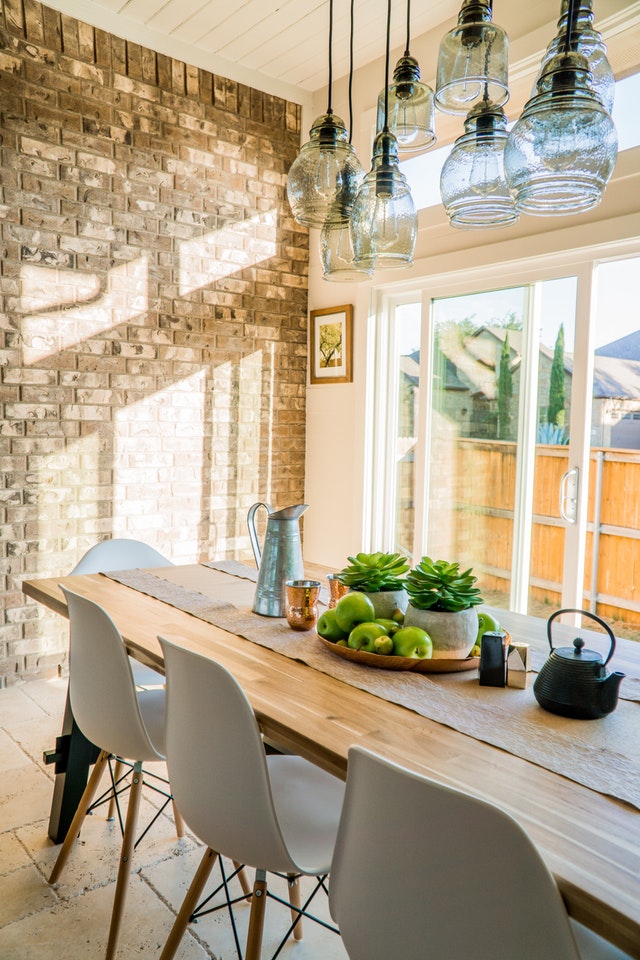 The real estate market and all the things involved in selling a home can seem complicated, and it can be very hard to know which tips to trust. While there’s plenty of great advice to go around from many knowledgeable sources, here are some of the best tips from home sellers who have made a successful sale.