 Are you tired of scouring the internet, trying to find the secret recipe for whatever will take stains out of your carpet? And the irritating annual steam cleaning ritual where your whole home is soaking wet for a couple of days? Ugh. If your old carpet has you down, it might be time for a change. In today’s blog post we’ll share five great reasons why you’ll want to make the switch from carpet to hardwood floors.
Your Home Will Look Amazing
Let’s face it. Unless you have a serious appreciation for all things shag, hardwood floors look much better than carpet. Available in a variety of colors and grains, hardwoods add a natural element to any room. They give off a much warmer appeal than carpet as well, especially when polished.
They’re Much Easier To Keep Clean
Spill on the floor? No problem. Pet has an accident? Rest easy. Hardwood flooring is far easier to keep clean than any form of carpeting. Your floor won’t absorb liquids and solids won’t leave a mess.
They’re A Great Equity-Building Investment
Hardwood floors are an excellent investment in your home. Some studies show that up to 75 percent of the cost will be returned when the house is sold, which puts hardwoods high on the list of equity-building renovations. Also, many home buyers are specifically looking for houses with hardwood flooring. So when you do choose to sell, your home may sell that much faster.
They Last Longer Than Carpets
The next time you are over at a friend’s house, take a look at their floors. Many homes have hardwood flooring that has been around for decades, requiring only the occasional refinishing to restore its former shine. Hardwoods last much longer than carpets and won’t require a full “rip and replace.”
Your Allergies Will Thank You
Finally, if you or any of your family members suffer from allergies, hardwood floors may be the answer. Carpets collect dust, which can lead to the formation of dust mites and other allergens. And while you can vacuum them regularly, only the very best vacuums have enough suction to get deep into the carpet fiber to remove this gunk.
These are just five of the many good reasons to invest in hardwood flooring for your home. When you’re ready to sell, or if you’re in the market for a great new home, contact your local real estate professional. We will be happy to show you some great local opportunities.
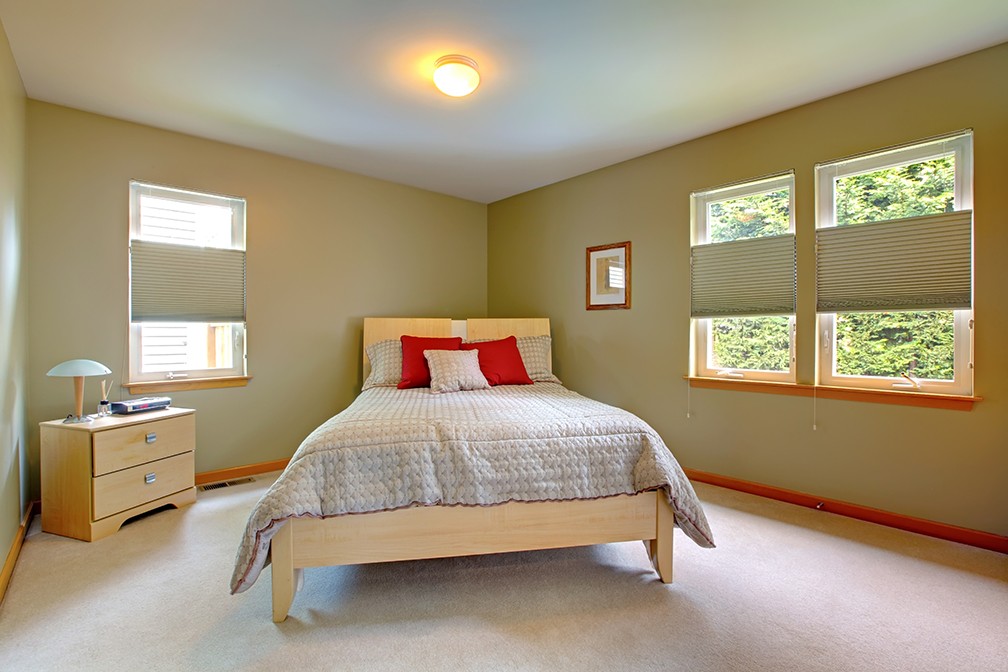 If you’re a homeowner with children, at some point, you’ll be saying goodbye. They’ll move off to college or to start their career and adult life. As children move out, you’ll discover that you have extra bedrooms and other living spaces that will need a new purpose. Let’s take a look at three ways that you can transform an unused bedroom into a welcoming place for guests to stay.
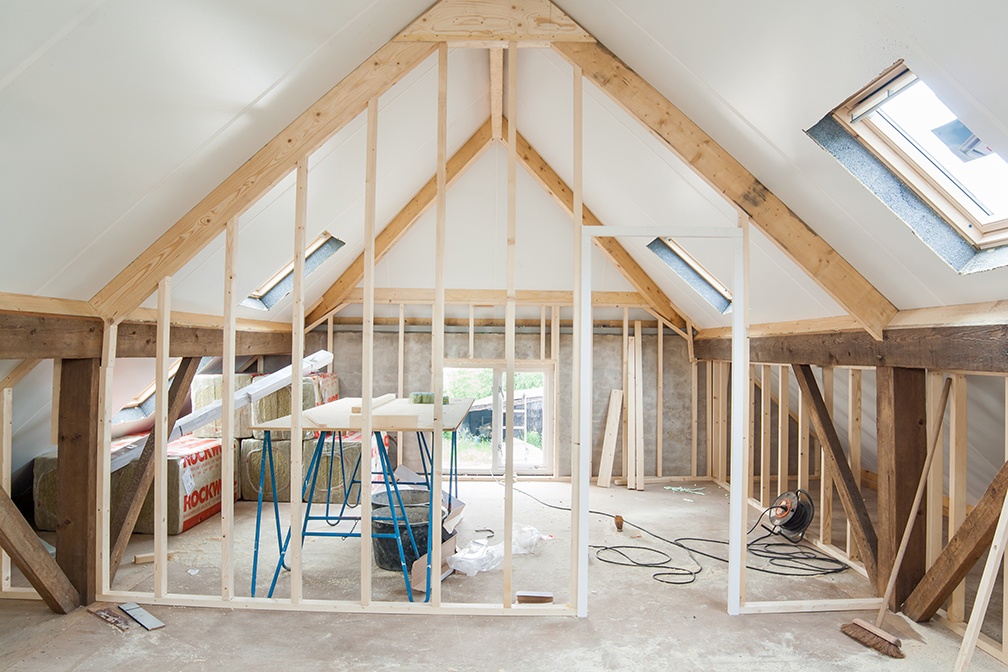 Take a look around your home. Do you feel that burning desire to renovate or upgrade certain areas? Perhaps it’s the kitchen countertops or the décor in the master bedroom. Whatever the case, if you’re itching to take on a home renovation project you’ll want to ensure it’s one that makes your life better – not worse! Let’s take a look at four tips that will help you to avoid experiencing “renovator’s remorse.”
 If you’re a parent of school-aged children, you’ve likely been concerned with their study habits at some point. Sitting down in front of the television or at the dinner table to crack open the books is going to be less efficient than doing so in a quieter, more productive work space. Let’s explore how to create a study space that will help keep your children focused and on task.
 It’s not uncommon for a homeowner to want to pay more than the minimum monthly mortgage payment on their home. However, just because it can seem hard to come up with the funds on a monthly basis doesn’t mean it’s not possible to find the money for extra mortgage payments each year. If you’re wondering how you can pay down your mortgage debt much sooner with extra money, here are some tricks you may want to try.
 Ah, the city. With so many people living in an urban landscape these days, it can be hard to find anything more than a planter on the balcony for your herbs. And good luck finding space for vegetables or large flowering plants! Fortunately, coming up with a community garden can be a great way to get the locals together. If you’re wondering how to get started with this fun project, begin with the following guide.