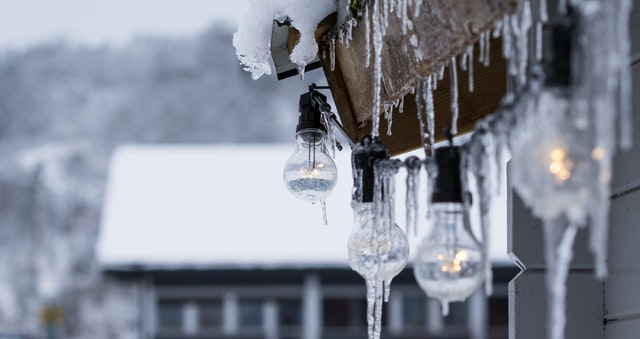
 Temperate fall weather means it’s time to put summer vacations behind you and start planning for winter weather.
Switching coveted leisure time to home chores can be a difficult challenge. More than a few homeowners want to keep kicking back on weekends. But autumn winds mean all hands on deck. Homeowners who procrastinate could find their properties vulnerable to seasonal changes. These are some things to keep in mind about winterizing your home.
Fill The Cost Gaps
Arguably the single biggest waste of money is allowing heating and cooling loss. The small gaps where doors, windows and other material meet can be a conduit for migrating air. Drafts cause utility bills to increase with homeowners reaping zero benefit. Consider addressing these areas.
- Windows: It’s important to remember that window caulking has a limited life span. As it cracks, shrinks and expands, its efficiency diminishes. Check it annually and don’t hesitate to replace it.
- Weather Stripping: If you live in a frigid region, weather stripping can save a boatload of cash. Most home stores carry products that act like tape and fill the seams around doors. It’s an easy DIY project that can more than pay for itself.
- Door Guards: Similar to weather stripping, door guards are designed to eliminate drafts under the doors. There are permanent and temporary products that can address this issue.
- Flues Need Support: Many chimneys allow mass amounts of air to flow freely into homes. You don’t need to call a mason and rework the hardware to fix this draft. Try inflating a balloon inside it to cut off air circulation. Just remember to remove it before lighting a fire.
Gutter Avoid Disaster
A common problem homeowners overlook is the gutters. When these become clogged with leaves, twigs and other material, water can back up and impact the outer walls of a home.
Water penetrations remain the single greatest danger to homes and homeowners. Moisture behind walls and under floor boards can spur dangerous mold growths. Certain molds can cause critical health conditions, particularly among our valued elders and young children.
If you live in an area that frequently suffers freezing temperatures, gutters can fill, freeze and break. Better to clean them out now than buy new ones in the spring.
Insulation Matters
When people think about insulation, the pink stuff in the attic usually comes to mind. While that remains an excellent product to mitigate energy loss, let’s talk about another type.
Water lines can be negatively impacted by cold weather. Frozen pipes can crack, burst and cause a flood. Check for areas that are exposed. It only takes one sharp cold snap to damage water lines and a home’s interior. The time and cost of wrapping exposed pipes could prove far less expensive than hiring a plumber and remediation contractor.
When preparing a home for winter, think in terms of air and water. Those are the culprits that will cost you money and jeopardize your family.
Maintanence is a wise way to protect one of your largest investments. If you are looking to add to your portfolio or put your current home on the market, be sure to contact your trusted real estate professional.
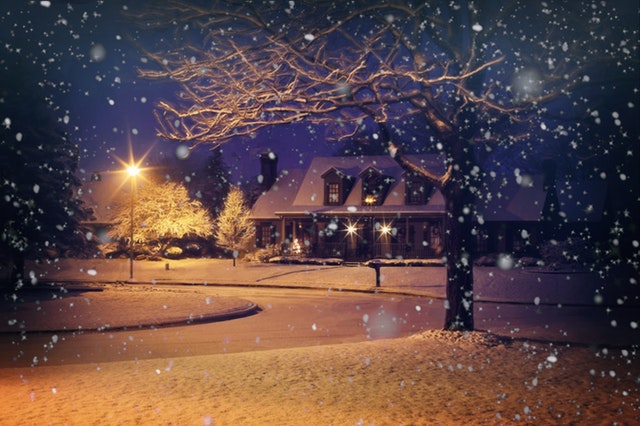 Simple home and yard tips don’t have to take a lot of time, but can save a lot of headaches if that first winter storm catches you unaware.
 The oft-repeated maxim that there is never a second chance to make a great first impression is especially true when it comes to real estate. Street appeal may focus on a dramatic approach to the front door, but prospective buyers will be especially “wowed” by an appealing back yard.
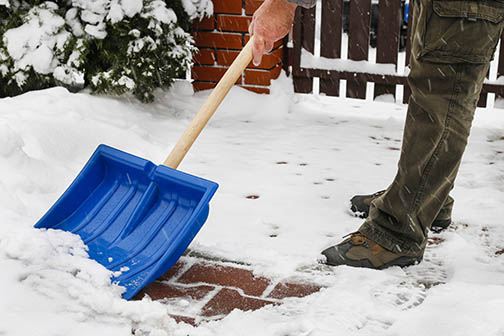 Winter may be a time for nesting until the cold weather abates, but there are a number of important tasks that a homeowner should be sure to do during the winter months. If you’re readying for the slow season or wondering what you might have forgotten, here are some things you’ll want to check off your to-do list.
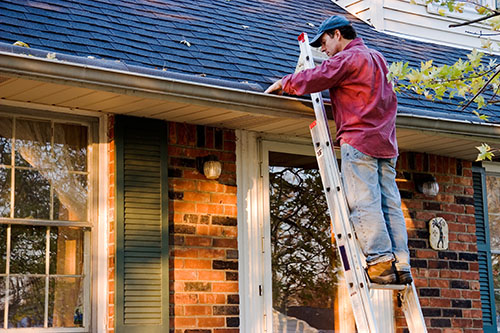 New homes can be scary. But when you take the time to think about it, and plan ahead, maintaining a home is easier than you think a manageable mix of experience and common sense. Here are five skills that will help maintain your new home for years to come.
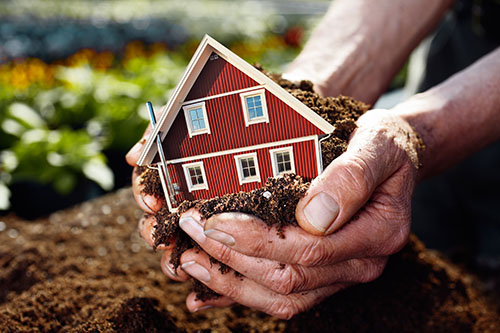 Like in a relationship, the foundation of a house is integral, and must be strong. There are many reasons why a house’s foundation might crack or shift including temperature variances in the soil surrounding it, since earth expands in heat and contracts in cold. But whatever the reason, there are certain steps to follow when addressing concerns about your house’s foundation.