 A pocket listing is a property that is for sale, but not publicly advertised. It is not listed on major real estate websites or even MLS. Instead, the agent keeps the listing “in their pocket,” only sharing it with trusted colleagues, buyers, or clients they know are serious.
These homes are still for sale, but they are sold more quietly, behind the scenes.
Why Would a Seller Choose a Pocket Listing?
- Privacy: They may not want a lot of people walking through their home, especially if they are still living in it.
- Testing the Market: Some sellers want to test interest before going live publicly.
- Targeted Exposure: Sellers may want to avoid open houses and only show to pre-qualified buyers.
- Exclusive Appeal: Pocket listings can create a sense of exclusivity and attract high-end or serious buyers.
Why Should Buyers Care?
If you’re a buyer, pocket listings could give you an edge, especially in a tight housing market. You might:
- Avoid bidding wars
- Get early access to great homes
- Find properties not everyone knows about
- Discover options in areas with low public inventory
But here is the catch: You need the right connections.
How Can You Find a Pocket Listing?
Pocket listings are not just floating around the internet. To find them, you need to be proactive and well connected. Here is how:
Work with an Experienced Agent
Your best chance of finding a pocket listing is by working with a real estate agent who is well networked in the area. We often hear about homes before they go live and can connect you with these opportunities.
Let Agents Know What You Want
The clearer you are about your goals, budget, location, style, the more likely an agent will think of you when a pocket opportunity comes up.
Network in the Community
Sometimes homeowners consider selling but have not listed yet. Talking to neighbors, local businesses, or community groups (with respect and professionalism, of course) can uncover hidden gems.
Ask About “Coming Soon” Listings
Some listings are technically not “pocket” but are not yet public. Agents often know about these before they hit the market.
Pocket listings are not for everyone, but they are a powerful tool if you’re looking for an edge. Want to be in the loop? The best thing you can do is connect with a real estate agent (like me!) who’s in the know and ready to advocate for you behind the scenes.
Go beyond the listings everyone else is seeing—you never know what is waiting in someone’s pocket. Let’s find out together! Give me a call.
 When you are buying a home, you are likely thinking about how it fits your life. Is the kitchen big enough? Does it have a home office? Is the backyard right for pets or kids? But what if I told you that thinking like a seller can make you a smarter buyer?
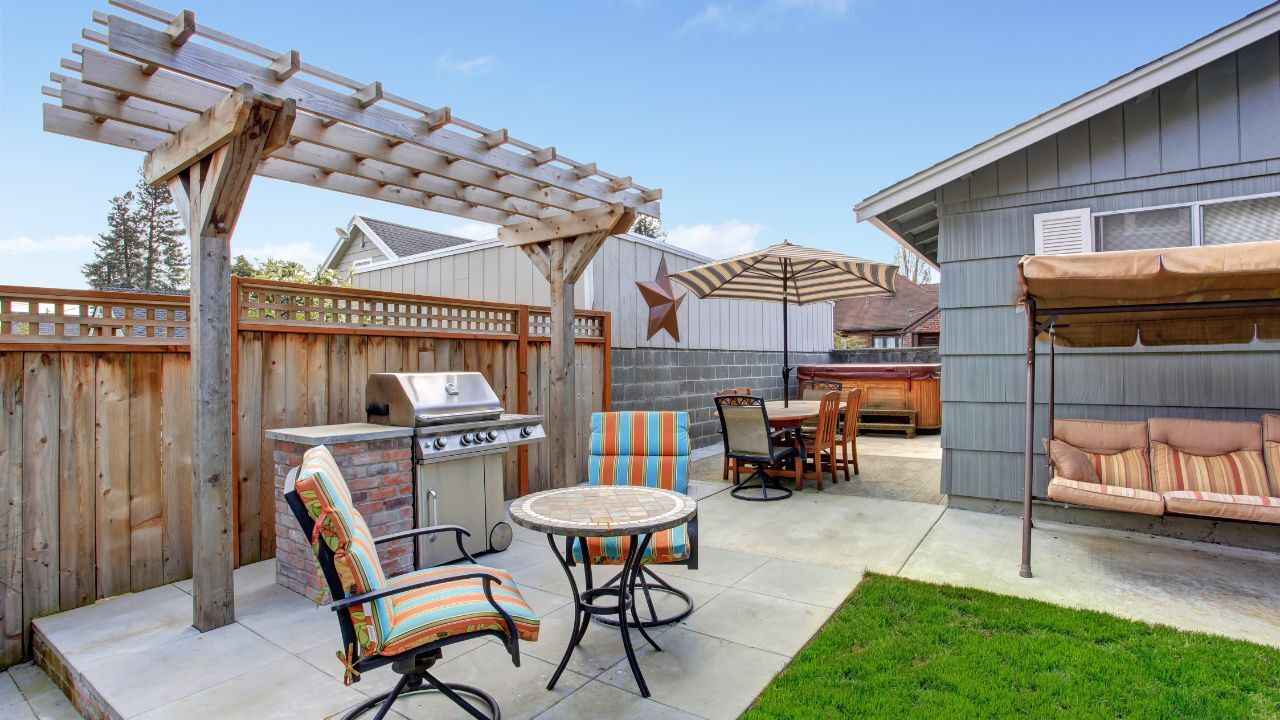 A small backyard can still offer a wealth of potential and charm when you approach it with the right mindset. If you’re looking for a home with a smaller outdoor space, don’t dismiss the idea just because of the size.
 A fireplace is often considered a symbol of comfort, warmth, and charm in a home. While it may seem like a luxury feature, buying a home with a fireplace can bring numerous advantages that go beyond just providing a cozy ambiance. Whether you’re looking for a functional addition or a way to increase your home’s value, a fireplace can offer both.
 Buying a home is one of the biggest financial and lifestyle decisions you’ll make. While most buyers focus on location, price, and size, there are several overlooked factors that can impact your long-term satisfaction. Here’s what to keep in mind when searching for the perfect home.
 Purchasing a home is a major investment, and while a property with a history of fire damage may come at a lower price, it also carries potential risks. Before moving forward with such a purchase, it is essential to understand the long-term implications and necessary precautions.