 It might seem like selling a home and moving to a new place is enough pressure on its own, but buyer’s remorse is a well-known phrase for a reason. If you’re currently considering a home and are concerned about taking the plunge into purchasing, here are three strategies you will want to utilize before making a final decision.
Choose A Reliable Real Estate Agent
If you’re venturing into purchasing a new home, making sure that you have the right person by your side to help you with all of the aspects of your home purchase. The agent you’ll want to work with should be someone who is knowledgeable and experienced in your area, and whom you will feel comfortable trusting with the questions you can’t answer yourself. When it comes to making this choice, trusting your instincts is a must.
Make Sure It’s The Home You Really Need
It can be easy, once you get into the spirit of looking for homes, to veer off and start considering things beyond your price range that you don’t really need, but get back to square one. If you find a home that you’re seriously considering, make sure that it possesses most of the features you were originally looking for whether it’s location, size or style. Before making the final decision, look over the list of things you’re looking for and make sure any potential cons of your purchase are things that won’t be a deal breaker after.
Consider Cost And Resale Value
It’s not only important to make sure you’re paying a price that you can afford for your new home, you’ll also want to ensure that the resale value is something you can be happy with down the road. It may be hard to discern what a home’s value will be in five or ten years, but thinking about what kind of renovations you want to do should determine if upgrading an outdated bathroom or kitchen will be worth it. While you’ll want to be in a home you can enjoy in the present, ensure it’s something that should have good market value in the future.
Buying a new home can be stressful enough without realizing that you didn’t get what you really wanted after the fact, so it’s important to think twice about what you’re looking for. If you’re wondering about more strategies for a purchase you can be happy with, you may want to contact your local real estate professional for advice and expertise.
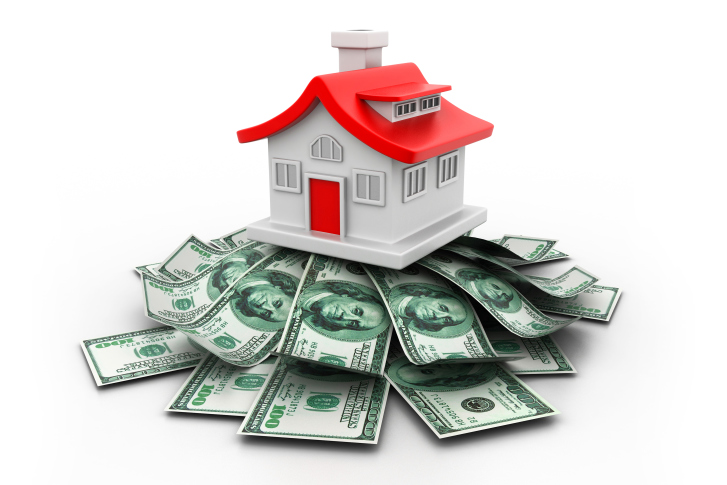 With mortgage bubbles and real estate issues still in recent memory, one might feel that their best option is to buy their next home using cash instead of borrowing the necessary funds. In today’s article we’ll explore the pros and cons of paying cash for that next house or condo.
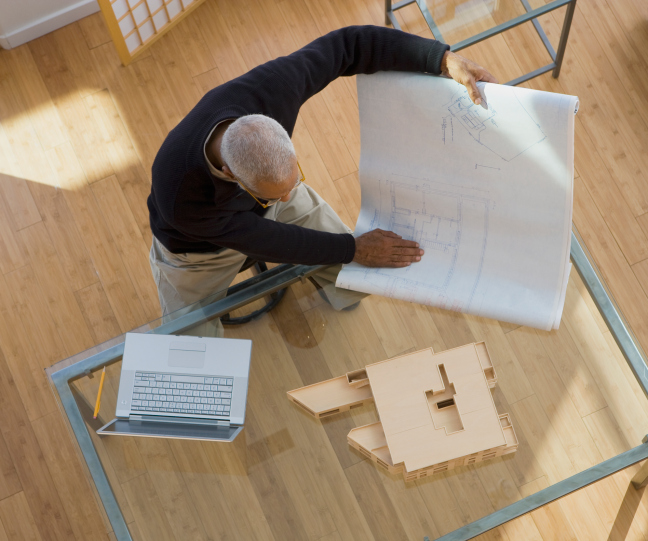 One of the most stressful parts of selling a home is the dreaded home inspection. Getting the most value from a home inspection is crucial, especially since any missed item can cause a significant amount of trouble a few years or decades down the road. With that in mind, let’s take a look at a few tips on how one can get the most value from a home inspection.
 You’ve found it: A large new home for your family. It’s in the area of the city that you love, with the perfect architectural style and lots of room for entertaining guests. It would have been perfect for you, but there’s only one problem – you’re not quite ready to pay the price the seller is asking for. You’ll have to put in an offer below the seller’s asking price – a risky move.
 If you’re entering the real estate investment market for the first time, you’re embarking on a great adventure – and with a solid plan, you can turn a tidy profit on your investment.
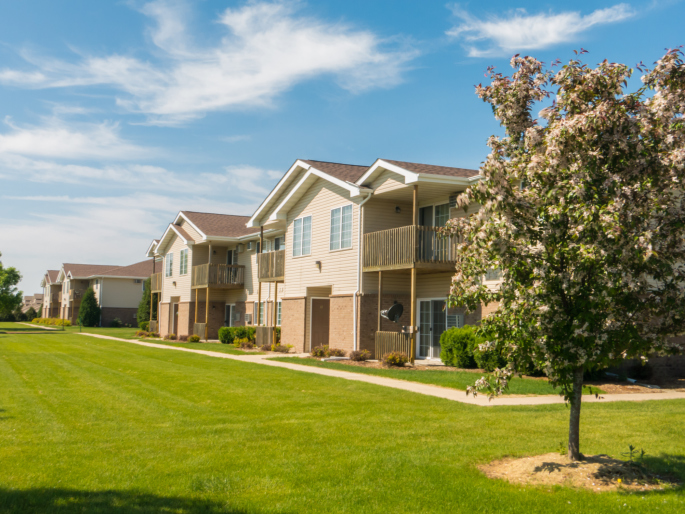 If you’re moving to a new city and you’re looking for an affordable home in a nice neighborhood, one great way to get a fantastic home without paying sky-high prices is by choosing a home in an up-and-coming neighborhood. Communities that are starting to gentrify make it easy to find an affordable home, especially if you buy before the prices start to rise.