 Purchasing a plot of land can be one of the best investments to make. A landowner has great (but not unlimited) freedom in how to develop their plot, and land never expires so its potential is essentially infinite. That said, buying undeveloped or vacant land can be risky business, so read on to find tips on purchasing a plot.
Do Your Homework: Before You Get Onto The Land
Before anything else happens, figure out your priorities. Decide what you want the land for, what amenities and what location you want, what you’re looking for in terms of neighbors or local government, and, of course, know your budget. More specific questions will arise around taxes, fees,and permits for building, available utilities/water access but, first, just start with your ideal land plot and work backwards (and into reality) from there.
Do Your Due Diligence: On The Land Itself
Once you find a plot that fits your needs on paper, get out onto it. Walk the land with an eye on the topography (any unexpected hills or valleys? Is the ground solid/fertile/arable, depending on what you need?), neighboring properties, size and shape of the plot, and any other element that the walk brings to your senses (smell and hearing as well as sight). Ideally, do this walk in the fall, so there is no foliage hiding your view of the property and what’s around it.
Don’t Despair: It’s Costly, But There Are Deals Out There
Remember that developing the land will incur costs too. Budget for as many foreseeable costs as you can, including a land survey, well/utility installation, legal fees, land clearing, landscaping, road construction and others. That said there are places you can look at for deals on the initial land purchase, including property lots for sale (which are cheaper the farther they are from major cities, road access, and already-connected utilities) or bank-owned plots. For those, you can talk to your real estate agent about asking local banks for lists of their foreclosed properties, which tend to be cheaper as banks look to sell them off.
Don’t Be Afraid To Ask: Reaching Out To Experts
Finally, talk to people. Ask locals about the neighborhood, previous uses of the land, potential surprises (like calm paths that turn into snowmobile trails in the winter). Connect with professionals in the local health department, zoning and building departments, accountancy and other areas of development for in-depth answers to your municipal questions.
But remember: while you will need to talk with many professionals in your due diligence, let your local real estate agent be your first point of contact.
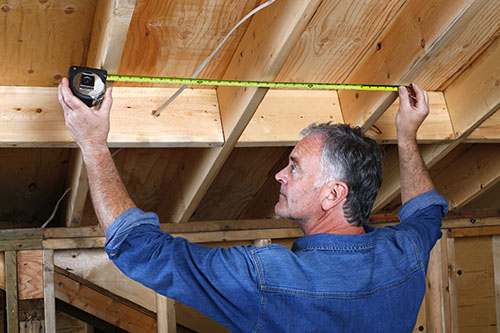 In a hot market it’s easy to be blinded by the competition and succumb to the pressure to make an offer on a home before you’ve adequately assessed it. If you’re looking to buy a home this summer, use these four tips to uncover hidden flaws before you put your offer in.
 Fixer uppers can come with huge price benefits and opportunity, as well as problems. Make sure you understand what you’re getting yourself into before you purchase a home that needs significant restoration.
 If you’re looking to invest in a cottage or waterfront getaway, there are three key things to keep in mind throughout your search.
 Sometimes a move is unavoidable, regardless of how much you or your kids’ would rather stay in your current home. If your young ones are not looking forward to a change in scenery, here are a few tips to help them make a smoother transition into their new home.
 In a typical real estate transaction, numerous factors may be negotiated, and the terms of the purchase may be negotiated at different times throughout the process. For example, the contract may be negotiated at the time the original offer is made, but revisions to the contract may be negotiated after the property inspection has been completed. Both parties want to have the upper hand in negotiations, but those who focus on a few points are more likely to walk away feeling satisfied with the results of the negotiations.