
Sunrise Homes & Renovations, Inc.

  • Home
  • About
    • About Us
    • Recognition
      • Disaster Contractors Network
      • US EPA Certified
    • Accessibility Statement
  • Example Models
  • Renovations
  • Resources
    • First Time Home Buyer Tips
    • First Time Home Seller Tips
  • Blog
  • Contact

The Hidden Costs of Buying a Fixer Upper

March 20, 2026 by Rhonda Costa

Buying a fixer upper can seem like an opportunity to build equity quickly. Lower purchase prices often attract buyers who believe renovations will unlock value. While that can be true, many underestimate the true cost of repairs, time, and disruption. A fixer upper requires careful evaluation before committing.

Renovation Budgets Often Expand
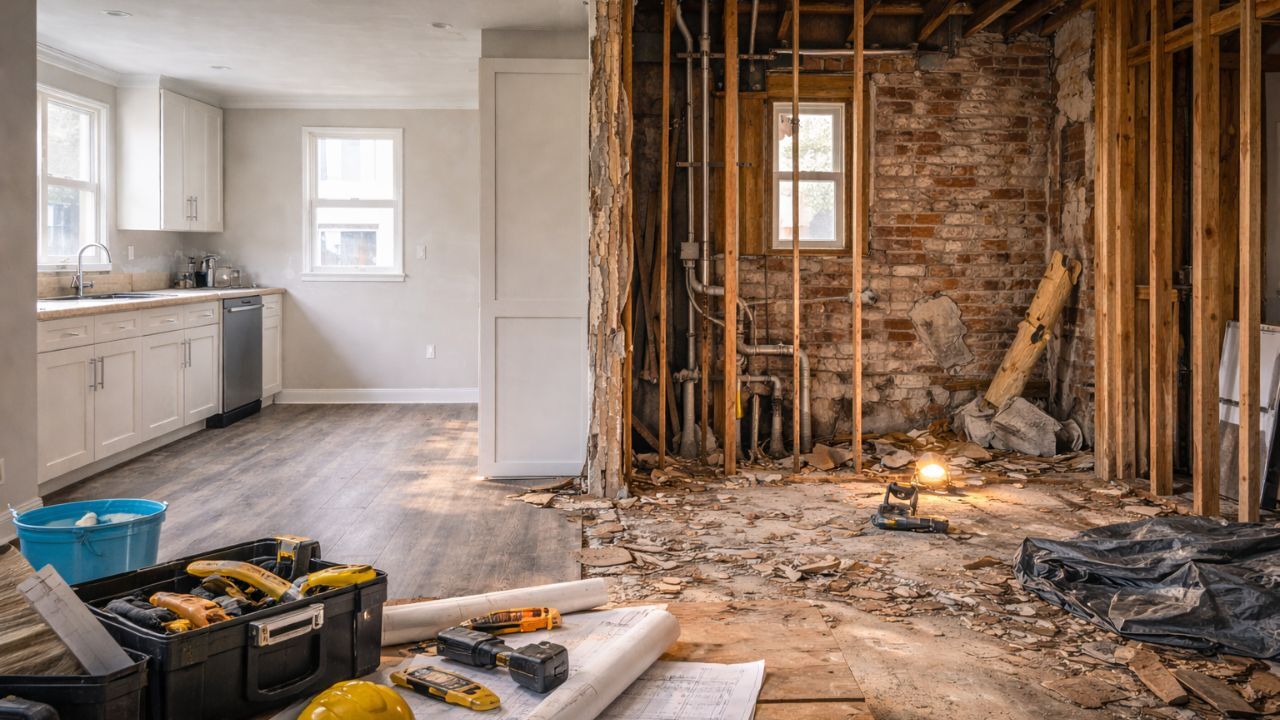
Initial contractor estimates may not include hidden structural or system issues. Electrical updates, plumbing replacement, roof repairs, and foundation concerns frequently surface once work begins. Buyers should build a contingency buffer into any renovation budget to prevent financial strain.

Time Has a Cost
Renovations take longer than expected. Delays may increase temporary housing costs or extend construction disruption. For buyers planning to live in the property during updates, daily inconvenience can impact work and family routines.

Permit and Compliance Requirements Matter
Major renovations may require permits, inspections, and code upgrades. Failing to account for these steps can delay timelines and increase expenses. Buyers should confirm what work has been completed properly and what may require correction.

Resale Value Is Not Guaranteed
Improvements do not always return dollar for dollar value. Over-improving beyond neighborhood standards may limit resale potential. Understanding comparable renovated properties in the area helps set realistic expectations.

Personal Capacity Should Be Honest
Renovation projects require patience, decision making, and coordination. Buyers should evaluate whether they have the time and tolerance to manage contractors and timelines.

A fixer upper can be rewarding when planned carefully and priced appropriately. If you are considering purchasing a property that requires updates and want to evaluate its true potential, let’s connect to review market value and renovation impact.
Filed Under: Real Estate Tips Tagged With: Buyer Tips, Fixer-Upper, Real Estate Advice

Evaluating a Fixer Upper Beyond the Cosmetic

February 20, 2026 by Rhonda Costa

Fixer uppers attract buyers looking for value, personalization, and long term upside. The idea of transforming a property into something uniquely yours is compelling. However, not all renovation opportunities are created equal. The real skill in buying a fixer upper is distinguishing between manageable cosmetic upgrades and deeper structural or functional limitations that can quietly erode your budget and timeline.

Cosmetic Versus Structural Changes
Paint, flooring, light fixtures, cabinet hardware, and landscaping are typically manageable improvements. These updates are visible, measurable, and easier to estimate financially. Structural modifications such as moving load bearing walls, relocating plumbing lines, replacing subflooring, or altering rooflines introduce complexity and risk. Once walls are opened, surprises often follow. Understanding where a project falls on this spectrum protects both your budget and your expectations.

Layout Efficiency Matters More Than Finishes
Even a dated home can function beautifully if the layout flows logically. Room placement, natural light exposure, storage access, and traffic patterns influence daily comfort more than surface materials. Awkward transitions between rooms, narrow hallways, or poorly positioned kitchens may require significant redesign to correct. Before focusing on finishes, evaluate whether the core layout aligns with modern living patterns and your personal lifestyle.

Mechanical Systems Tell the Real Story
Cosmetic flaws are visible. Mechanical issues are not. Roof condition, heating systems, plumbing integrity, electrical capacity, and foundation stability carry significant financial weight. A newly painted wall cannot compensate for outdated wiring or aging pipes. Inspections are critical when evaluating a fixer upper. Replacing major systems can quickly shift a promising deal into an expensive commitment.

The Energy Investment Factor
Renovation requires more than money. It requires emotional bandwidth. Decision fatigue, contractor coordination, permit timelines, and material delays can test even patient buyers. Some homeowners thrive on projects and transformation. Others find the process draining. Be honest about your tolerance for disruption before committing to a property that demands ongoing oversight.

A smart fixer upper purchase focuses on fundamentals first and finishes second. When structure, layout, and systems are solid, cosmetic updates become opportunity rather than risk. The best renovation projects start with strong bones and realistic expectations.

Filed Under: Home Buying Tips Tagged With: Fixer-Upper, Home Buying Tips, Smart Renovation

Buying a Fixer-Upper and How to Avoid a Money Pit

December 9, 2025 by Rhonda Costa

Buying a fixer-upper can be a smart way to build equity, customize a home, and stay within budget in a competitive market. The challenge is knowing the difference between a great investment and a true money pit. As real estate professionals, we guide buyers through this decision every day. With the right preparation and the right expectations, you can choose a home with potential instead of one that drains your savings and your sanity.

Start With a Thorough Home Inspection
A detailed inspection is the first line of defense against a money pit. Structural issues, roof damage, outdated electrical systems, and aging plumbing can turn a simple project into a major financial burden. A qualified inspector will give you a clear picture of what repairs are essential, what can wait, and what may require a specialist. Never skip this step, and never rely only on visual appeal when evaluating a fixer-upper.

Prioritize the Cost of Major Systems
Cosmetic updates like paint, flooring, and light fixtures are easy and affordable. The expensive issues are hidden in major systems such as HVAC, plumbing, foundation, and electrical work. Before making an offer, get estimates for these repairs. This helps you understand the true cost of the home and prevents unpleasant surprises after closing. If multiple major systems need updating, the home may not be the right fit.

Compare Renovation Costs With the After-Repair Value
Every fixer-upper has an after-repair value, also called ARV. This is what the home is worth once renovations are complete. A smart purchase is when the homeís price plus your renovation budget still leaves you with equity. Your real estate professional can help you compare recent sales, neighborhood trends, and value-add opportunities. If the total cost exceeds the expected value of the finished home, it may not be a wise investment.

Plan for a Realistic Renovation Timeline
Fixer-upper renovations always take longer than expected, especially if you are tackling major repairs. Delays can add stress and additional costs. Whether you are hiring contractors or doing some of the work yourself, build extra time into your schedule. This helps you avoid frustration and gives you flexibility. A rushed renovation can lead to mistakes, higher costs, and disappointment in the final result.

Set Aside a Contingency Budget
Every renovation comes with surprises, and a contingency budget protects you from unexpected issues. A good guideline is to set aside ten to twenty percent of your total renovation budget for emergencies. This extra cushion helps you stay on track without dipping into savings or delaying important repairs. The stronger your financial cushion, the smoother your fixer-upper experience will be.

Buying a fixer-upper can be rewarding when you choose the right home and prepare for the process. With a strong inspection, realistic budgeting, and professional guidance, you can avoid a money pit and turn your renovation dream into a home you love.

Filed Under: Real Estate Tagged With: Fixer-Upper, Home Buying 101, Real Estate Tips

Can’t Find a House You Love? Consider These Creative Options

August 19, 2025 by Rhonda Costa

Searching for the perfect home can be frustrating when nothing seems to check all your boxes. Whether it is location, price, size, or style, the market may not always have exactly what you want at the moment. The good news is there are creative strategies you can explore to find a home that works for you, even if it is not exactly what you initially imagined.
Expand Your Search Area
Sometimes the ideal neighborhood might be just outside your initial target area. By widening your search radius, you could discover hidden gems in nearby communities that offer great value and lifestyle benefits. Exploring up-and-coming neighborhoods or adjacent towns can open up new possibilities that better fit your budget and preferences.

Consider a Fixer-Upper
A home that needs some work might feel intimidating at first, but it also offers the chance to customize and build equity quickly. Many buyers overlook fixer-uppers because of renovation concerns, but with the right plan and team, you can transform a property into your dream home. Financing options that include renovation loans can help make this a viable choice.

Look Into New Construction
If resale homes are limited, new construction might be an option to consider. Buying a newly built home often means fewer repairs and modern features, with the chance to select finishes and layouts. Although the timeline may be longer due to the building process, new homes can offer energy efficiency and warranty protections that older homes do not.

Explore Lease-to-Own or Rent-to-Own
If you are not ready to buy immediately, lease-to-own or rent-to-own arrangements can be creative alternatives. These options allow you to rent a home with the possibility of purchasing it later, giving you time to save more for a down payment or improve your credit. Make sure to review contracts carefully and work with a knowledgeable agent.

Think About Buying Land and Building
For buyers open to a longer process, purchasing land and building a custom home can be a rewarding option. It allows complete control over design and features, though it requires patience and coordination with builders and lenders. This route is ideal for those who want a truly personalized living space.

Work With a Skilled Real Estate Agent
A trusted agent can offer valuable insights, access to listings before they hit the market, and creative strategies tailored to your goals. By sharing your priorities clearly, you empower your agent to find options you might not have considered and negotiate effectively on your behalf.

Finding the right home sometimes requires thinking outside the box. By exploring these creative options and working with an experienced real estate professional, you can increase your chances of discovering a home that fits your lifestyle and budget, even when the perfect listing is elusive.

Filed Under: Real Estate Tips Tagged With: Fixer-Upper, Home Buying, Real Estate Tips

Exploring the Benefits of Buying a Fixer-Upper

April 18, 2024 by Rhonda Costa

Are you in the market for a new home? Have you considered the allure of a fixer-upper? While the idea of purchasing a home that needs a bit of TLC might seem daunting at first, numerous benefits come with this type of investment. We will plunge into the exciting world of fixer-uppers and uncover why they might just be the perfect choice for you.

Cost-Effectiveness: One of the most significant advantages of buying a fixer-upper is the potential cost savings. Typically, these homes are priced lower than move-in-ready properties, allowing you to purchase a larger or better-located home for the same budget. Additionally, you have the opportunity to increase the home’s value through renovations, ultimately yielding a higher return on investment.

Personalization: With a fixer-upper, you have the chance to create your dream home from the ground up. Instead of settling for someone else’s design choices, you can tailor the renovations to fit your style and preferences. Whether you’re envisioning an open-concept living space, a gourmet kitchen, or a luxurious master suite, the possibilities are endless when you’re starting with a blank canvas.

Building Equity: Renovating a fixer-upper allows you to build equity in your home right from the start. As you invest in upgrades and improvements, you’re increasing the property’s value, which can translate into substantial gains over time. Whether you decide to sell in the future or simply enjoy the added equity, it’s a win-win situation for your financial portfolio.

Learning Experience: Buying a fixer-upper is not just a financial investment; it’s also an opportunity for personal growth and learning. From tackling DIY projects to working with contractors, you’ll gain valuable skills and knowledge along the way. Plus, there’s a sense of pride that comes with knowing you’ve played a hands-on role in transforming your living space.

Community Revitalization: By investing in a fixer-upper, you’re not only improving your own home but also contributing to the revitalization of your community. Renovating an older or neglected property can have a positive ripple effect, inspiring neighbors to invest in their homes and enhancing the overall appeal of the area.

Flexibility: Unlike purchasing a move-in ready home, buying a fixer-upper allows you to take your time with renovations and upgrades. You can prioritize projects based on your budget and timeline, making it easier to manage the financial aspect of homeownership. Plus, you have the freedom to live in the home during renovations or tackle projects gradually as time and resources allow.

While buying a fixer-upper may require a bit more effort upfront, the benefits far outweigh the challenges. From cost savings and personalization to equity building and community impact, investing in a fixer-upper is a decision that can positively impact your life in more ways than one. So why wait? Take the plunge and uncover the hidden treasures awaiting you in the world of fixer-uppers. Your dream home might be closer than you think!

Filed Under: Real Estate Tagged With: Build Equity, Fixer-Upper, Real Estate

The Three R’s Of Fixing Historic Homes For Sale

December 10, 2021 by Rhonda Costa

The Three R’s Of Fixing Historic Homes For SaleIf you enjoy history and fixing things, then it may be hard to drive by historic homes for sale without feeling the urge to buy one and fix it up. 

Before you do, you need learn the three R’s of fixing up historic homes and the differences between them.

The three R’s of fixing up historic homes are restoration, renovation and repair.  Some of the differences are minor, but they can make all the difference in cost, time and problems.

Restoration

“Restoration” literally means returning something to its original state. 

Restoring historic homes for sale involve city and state programs. It’s essential that you check to see if the home is listed on the National Register of Historic Places (NRHP) or if it’s located in a historic district. 

If either of these is the case, there is a specific set of rules that you must follow while renovating. 

Cost: Restoration is not a cheap endeavor. For a home to keep its historic value, the materials used need to match the original materials, including furnishings. These can be very expensive due to their antique value.

Renovation

Renovating is less complicated than restoring, at least when talking about what you can and can’t do. However, with a renovation, you’re generally turning the home into a more modern living place, which lowers its historic value. Make sure it isn’t listed in the NRHP or located in a historic district.

Cost: Depending on the amount of renovations, i.e., modernizing, gutting or remodeling, this can also be expensive. However, it’s much easier to find deals on modern appliances than it is on antiques.

Repair

Repairs differ because they generally aren’t as in depth as the others. For restoration repairs, it’s important to use materials that fit the house, such as plaster walls and wooden floors. For renovation, original materials aren’t as important. 

Cost: Again, the cost depends on the number of repairs, as well as, whether you’re keeping the historic value. 

Whether restoring, renovating or repairing historic homes for sale, the key is cost. Don’t get so caught up in the possible that you miss the probable. Thinking of buying or selling an historic home? I can help! Call your trusted real estate professional today.

Filed Under: Homebuyer Tips Tagged With: Fixer-Upper, Historic Homes, Homebuyer Tips

  • 1
  • 2
  • 3
  • Next Page »

Rhonda & Steve Costa

Rhonda & Steve Costa

Call (352) 398-6790
Sunrise Homes & Renovations, Inc.

Contractors License #CBC 1254207

Let’s Keep In Touch!

  • This field is for validation purposes and should be left unchanged.

Connect With Us on Social Media

Categories

Looking For Something?

Our Location


Spring Hill, FL 34608

Equal Housing Opp

Return to top of page

Copyright © 2026 Sunrise Homes & Renovations, Inc.. All rights reserved.   Log In