 Buying your first home is an exciting milestone in life, but it can also be overwhelming and filled with questions. As a first-time home buyer, you want to make informed decisions and ensure a smooth process. Below we will address some of the common questions that first-time home buyers often ask.
1. What Exactly Is a Mortgage? A mortgage is an agreement between you and a lender that allows you to borrow money to purchase or refinance a home and gives the lender the right to take your property if you fail to repay the money you’ve borrowed.
2. What is the Difference between Pre-Qualification and Pre-Approval? A Pre-Qualification is informal and can be done over the phone or internet with no obligation or paperwork to complete and will only be able to tell you roughly what you can borrow. A Pre-Approval is a formal commitment to lend, and the lender collects all required documents to verify your income, assets & credit and will give you a definite idea of what you can afford.
3. What Steps Do I Need to Take to Secure a Loan? The first step is to complete a Loan Application and provide documentation to verify the application information.
You will need to provide:
- Pay Stubs
- W2 Forms or Tax Returns
- Recent Bank Statements
- Any other documents requested by the underwriter
4. How Can I Find Out What My Credit Report Score Is? There are several ways to obtain a copy of your credit report. You can request a free copy of your credit report from each of the three major credit reporting agencies.
5. What Are My Responsibilities During the Lending Process? The key thing to remember is to keep your financial circumstances steady during the loan process.
Here are some simple guidance tips:
- Do not change jobs, become self-employed or quit your job.
- Do not acquire more debt (This includes cars, boats, jewelry, household items or furniture etc.)
- Do not charge large amounts to your credit cards and keep all payments current.
- Do not spend money you have set aside for closing.
- Do not apply for loans.
- Do not change bank accounts or make large or unusual deposits into your account.
- Do not agree to co-sign or co-borrow with anyone during the process of your loan.
6. What Does it Mean to “Lock in a Rate?” Interest rates fluctuate day-to-day. When you lock the loan, it will guarantee that you will receive that rate for the duration of the lock.
7. What does Loan-To-Value mean? Loan-to-value is the amount of money you borrow compared to the purchase price conveyed as a percentage.
8. What Is Included in the Monthly Mortgage Payment? There are five items that are included in a mortgage payment. principal interest, property taxes, homeowners’ insurance, and mortgage insurance
9. What Is Mortgage Insurance and Why do I need It? Mortgage Insurance protects the lender if you fail to pay your mortgage and it is usually required if you put down less than 20%. There are many mortgage insurance options to fit your needs.
10. What Should I Expect on Closing Day? Be sure that you have everything that you need. At closing you will sign a lot of papers, but they will all be explained to you. BE SURE you arrive to the closing on time, and you will be guided from there.

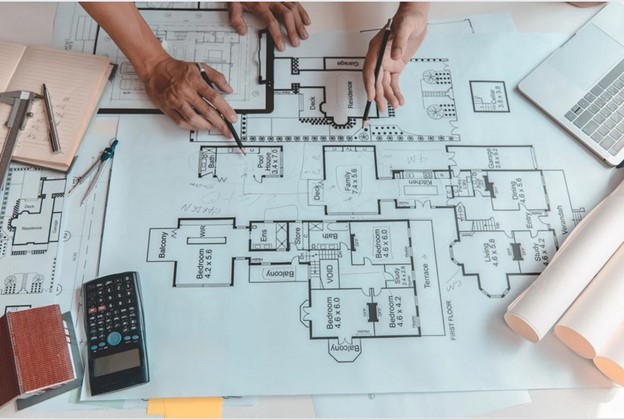 Making the decision to build a home might be one of the biggest you make in your life. You’ve found the perfect plot of land and have a vision of what type of home you want, but you need someone to bring your dream to life.
 Moving to a new home can be a stressful time for both you and your dog. Dogs are creatures of habit, and a new environment can be overwhelming for them. However, with the right approach, you can help your dog adjust to their new home smoothly.
 Inflation can erode the value of your savings over time, and one way to hedge against inflation is by investing in assets that appreciate in value over time. Real estate is often considered a good hedge against inflation, as property values tend to rise in line with inflation.
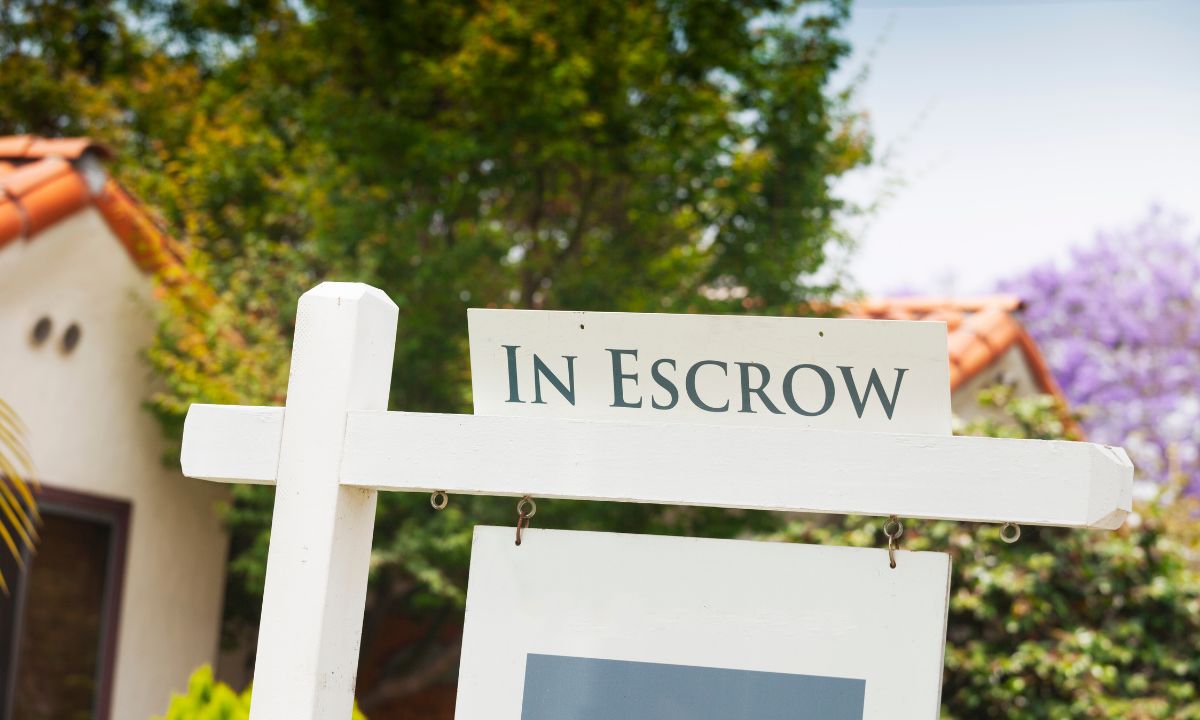 Purchasing or selling a property is a significant financial transaction that involves numerous parties, legalities, and a substantial amount of money. To ensure a smooth and secure process, the real estate industry relies heavily on a mechanism known as escrow.