 Is it worth it to add smart appliances or automated features if you’re selling a home? Just how much connectivity do buyers want? And what exactly do the terms refer to in terms of home updates.
Although smart homes and home automation are sometimes used interchangeably, they actually refer to two basically different concepts about how appliances and home systems can operate. Then there is the need for “connectivity,” adding another dimension to any discussion of futuristic home features.
Home Automation
According to a Texas-based Direct Energy blog, home automation has a long history, beginning with the first labor-saving devices that operated with electrical current. “Automatic” washing machines and hot water heaters certainly made life easier at the time, a time long before wireless technology and integrated home entertainment systems.That may be simplistic, but the truth is that any device that operates without human intervention can be termed automatic.
Today, however, automation commonly refers to home features that are controlled by computer, or that can be set to operate in specific ways: motion-detected lighting, robotic floor cleaners, dishwashers and ovens with delay settings, and the wide range of room monitors, security cameras and voice or motion-controlled devices.
Smart Technology
Computers introduced American homes to smart technology and the Internet of Things. Today, almost every home has several “smart” devices, even if they are simple ones.
Case in point: A programmable thermostat, common sensor-operated smoke detectors, and a backyard irrigation system with a timer control can be termed smart devices, albeit maybe only “elementary” smart.
Today, most smart technology is also controllable by wireless remote device. But the true definition of smart is any product that incorporates sensors or data storage, microprocessors or controls that allow autonomous operation. An internal operating system is employed to assure that the product operates as programmed, either through user interface or initial setup. Modern smart technology allows for broad integration of devices, in effect creating a “genius” network.
Connectivity
The third piece of the technology puzzle is connectivity. Both home automation and smart technology can be “connected,” for greater flexibility and integration, but it’s not necessary. And, just because homeowners can change a setting via smart phone or battery-operated remote doesn’t necessarily make an automatic appliance or home product smart.
Connected products interact with one another over a network; the network collects and shares data, and is designed to monitor and allow some degree of control over the functioning of network-connected products or systems.
For instance, a smart home with sophisticated lighting controls might automatically sense lower light levels at dusk, triggering an adjustment to window shades and turning on both interior and exterior lighting.
Confused? Actually, there’s no real need to be. No matter what you call them, the home features that make living better are all desirable!
 Multi-generational households and the growing preference on the part of many retirees toward “aging in place”have altered home design in recent years. Interiors are more open, more functional and more adaptable that they were even a decade ago. Spaces tend to be less formal; living space is better integrated with work space like the kitchen, and rooms tend to serve more than once purpose, both for quiet pursuits and for family gatherings.
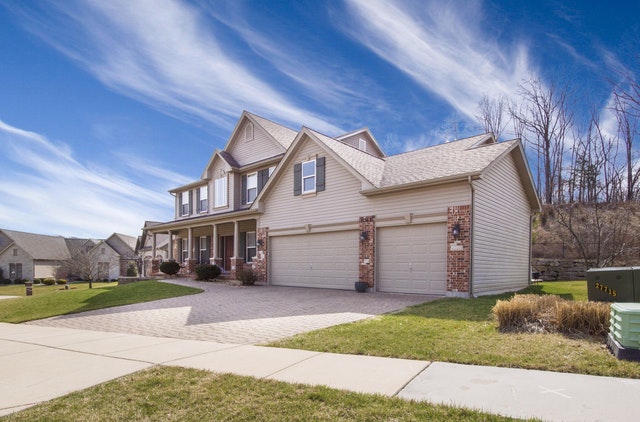 This summer, quality homes are being scooped up almost as fast as they’re being listed – and for top price. Yes, it’s a seller’s market out there, which is great news if you’re planning to list your home. For those looking for a home, the competitiveness can be frustrating and aggravating.
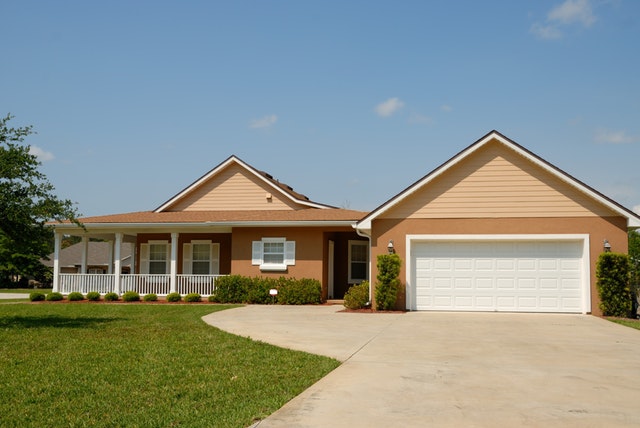 Rules and covenants of a homeowners association can be a bit overwhelming, especially for a first time homeowner. Understanding that the regulations are designed to protect the value of your home helps make some restrictions easier to live with.
 Nearly 70 million American households include at least one pet, but most prospective buyers won’t want to see evidence of pets in a home on the market.
 The closing process for a home purchase is an exciting time. The home is finished, the purchase is ready to be finalized and it’s almost time to move in. The final steps of the closing process ensures both parties are able to meet their requirements and all the paperwork is in place and verified.