 Becoming a homeowner for the first time is exciting. However, for many potential buyers, the process can also be confusing. Below is an overview of the steps you need to complete in order to buy your first home.
Work Out The Finances
The first step in buying a home is deciding on a price range. This price range will be determined by your income, as well as your own comfort level with home prices and monthly payments. Consider all of these factors to determine the maximum amount you are willing to spend on your new home.
In most cases, you will be required to pay the downpayment and closing costs upfront, even if you are financing the rest of the home’s purchase price.
In general, most lenders will expect a downpayment equal to 20 percent of the home’s purchase price. Otherwise, you may be required to pay mortgage insurance. Before buying a home, set enough money aside to cover these expenses.
For most homeowners, the next step in the home buying process involves looking into different mortgage options. Unless you have enough money to purchase your home for cash, you will need a mortgage. Be sure to compare quotes from different lenders before making a choice to be sure you are getting the best deal.
Once you have chosen a lender and a specific type of mortgage, ask for a preapproval letter that you can attach to any offers you make so that you will be a more reliable and attractive buyer.
Hire An Agent
When searching for the perfect first home, hiring a real estate agent to represent you throughout the process is highly recommended. Your real estate agent will act as a buyer’s agent, which means they will have your best interests at heart. When you don’t have a buyer’s agent, you will be dealing only with the seller’s real estate agent instead. Because this individual has been hired to represent the seller, they will always put the seller’s needs above yours.
Find The Right Home
Once you have a qualified agent to represent you and a preapproval letter from your lender, it is time to start looking for your new home! Your real estate agent will help you comb through listings and choose the properties you want to see. Next, you will walk through each home until you find the one that is right for you. After you have chosen a home, your real estate agent will help you prepare and submit an offer to the seller.
The process of buying your first home may seem overwhelming at first. However, by following these steps, you can simplify the process and become a homeowner with ease.
 Aside from owning a business, owning rental property has been one of the top investment choices for people, most commonly done through buying a second home. Handled right, income properties can generate significant gains for investors, both in terms of real estate appreciation as well as monthly income from tenants. However, it’s not sure a surefire approach to financial success. There are a lot of ways that a budding real estate investor can go sideways with an investment property home purchase as well.
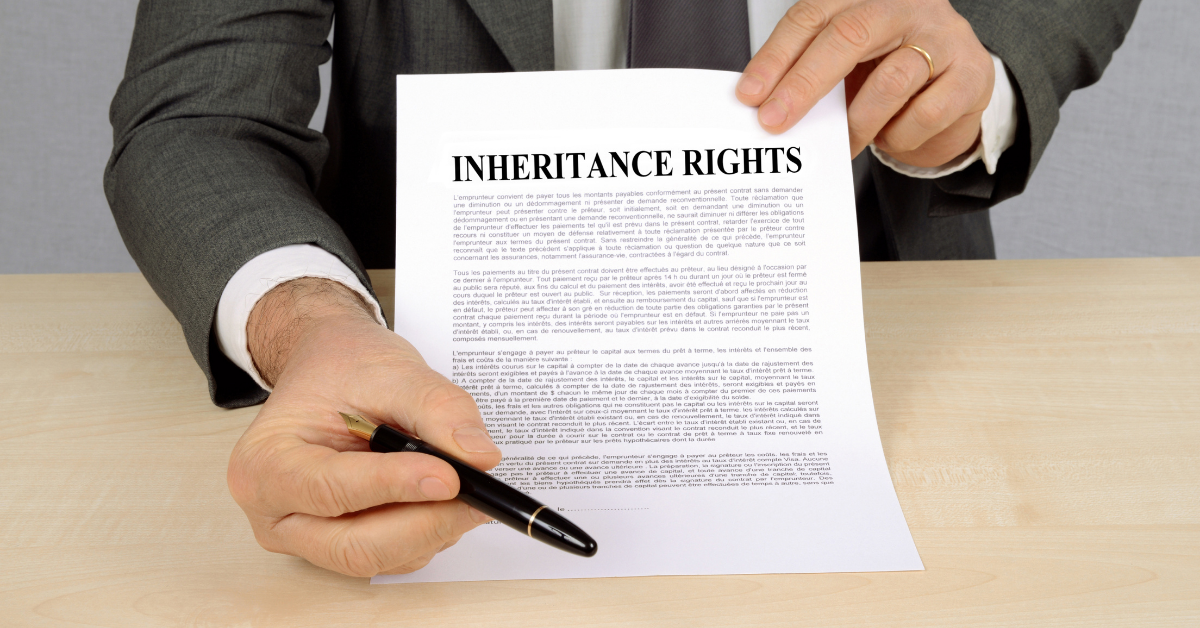 There can be a lot of excitement when it comes to the realization that you’ve inherited a home, but simply because it’s an inheritance doesn’t mean there aren’t a few strings attached. Whether you’re expecting to be gifted with a home in the future or you’re currently going through this process, here are a few things you may need to watch out for.
 Buying a home in another location far away can be challenging in terms of logistics as well as moving, but it becomes additionally harder for pet owners who may not be able to take their bigger animals with them right away.
 When you purchase a new home, escrow is a word that you will hear numerous times from different parties. There are several types of escrow accounts that will be established, and you may be wondering where your money will go when placed in an escrow account or how it is applied to your transaction. By taking time to learn more about the escrow process, you can be a more informed buyer.
 Twenty years ago the economy was putting the dot-com bubble behind it, and people were buying homes. The high majority of folks worked for someone else; they received a paycheck, were given a W-2 from their employer, and filed their income tax returns accordingly.