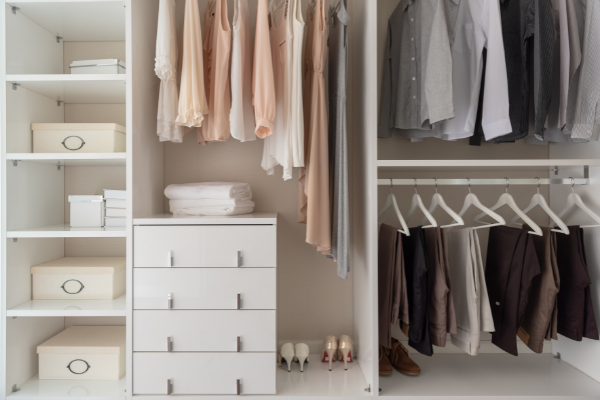
 Homeowners need to make sure they maximize every square foot of their home. This includes the closet. Many people get frustrated when they look at their closets because they feel like they cannot find what they are looking for. Anyone who is struggling to keep their closet organizers should take a look at a few important points below.
Remove Items That Are No Longer Being Used
The first step in creating more space in a closet is getting rid of items that are no longer being used. First, take a look at all the items on the hangers. Then, see if it has been worn during the past year. If not, it is time to get rid of it. In addition, it might be helpful to remove clothing items that are not in season. Then, store them until the weather changes again. Creating more space in the closet can make it easier to keep the closet organized.
Check The Quality Of The Hangers
Next, take a look at the hangers. It is critical to use the right hangers because the wrong hangers could damage the clothes. Even though it is tempting to keep clothes on hangers that came from the store, they could stretch the clothes out over time, ruining the appearance. Try to use hangers that have pads on them. These softer hangers will not leave impressions on the clothes, extending their lifespan.
Create More Storage In The Closet
Finally, remember that not everything has to go on a hanger. There are some items that can be folded or tucked away in drawers. That is why it might be helpful to invest in alternative storage options in the closet. This could include cubbies that hang from the bottom of the shelf. Or, it might be nice to install drawers at the bottom of the closet. This could be another way to create more storage space and keep the closet organized.
Improve Closet Organization
Ultimately, there are plenty of ways to keep a closet organized. By removing items that are not being used and increasing storage space in the closet, it might be easier to find what is needed. This is a great way to keep the closet clean.
 There are different methods that home buyers may use to find a real estate agent to work with. While some may use the services of a real estate agent who they know personally, others may reach out to a professional who they have located online. Regardless of whether you previously knew the individual in a non-professional setting or not, it is important that you check your agent’s reference and testimonials before you get started with the home buying process. There are several good reasons for this.
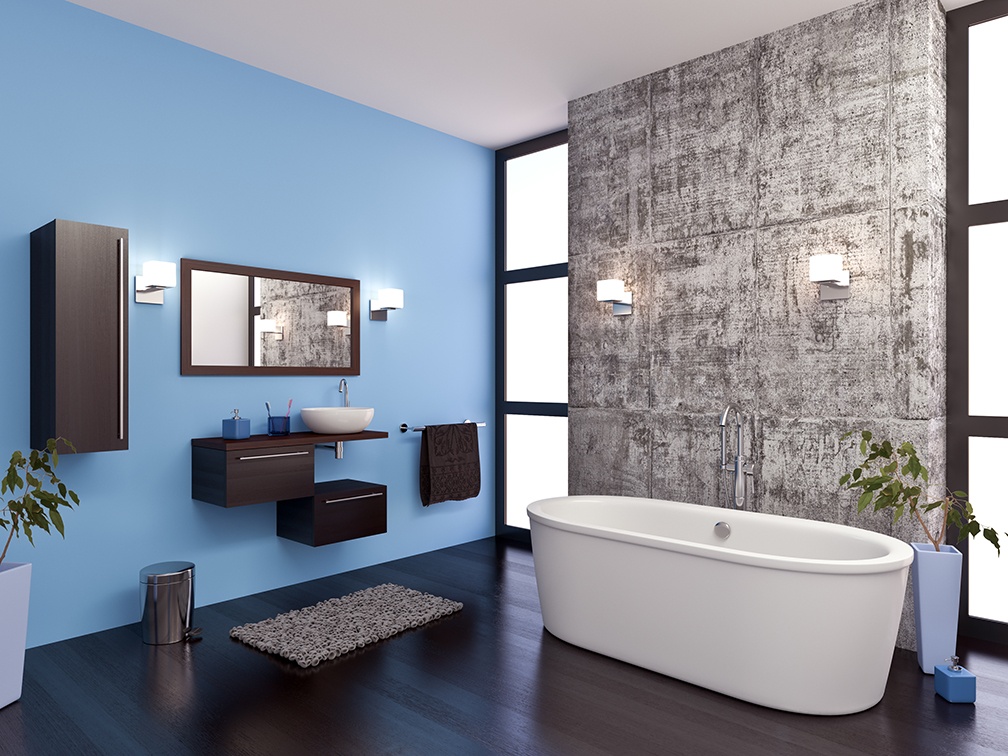 It is important to make the bathroom a relaxing, peaceful, and stress-free location. Many people view their bathrooms as a sanctuary, and it is important to treat them as such. What are a few popular trends that are taking place in bathroom design?
  Office work has changed significantly during the past few years. With many people working well from home, numerous employers are becoming open to the possibility of allowing their employees to work from home permanently. With many people looking for ways to be productive from home, it is critical to create an environment that is conducive to being productive. How can homeowners make this happen?
 The real estate market is rife with terminology that can make a home purchase seem more than a little complicated. If you’re currently looking for a home and are considering your loan options, you may have even heard the term ‘Debt to Income’ ratio. In the interest of simplifying things, here are some insights on what this term means and how it can impact your home investment.
 There are a few parts of American culture that people believe define this country. One element is the dream of homeownership. There is a strong belief that people need a place to call home. Therefore, since the dawn of this country, the government has tried to incentivize people to purchase a home.