 Ask any friend or family member that owns a home and they will share that it takes a bit of management to keep all the expenses under control. Let’s explore the concept of PITI and why it is vital to have a clear picture of how much your home is costing you each month.
Just What Is PITI, Anyway?
PITI is an acronym that stands for “principal, interest, taxes and insurance,” which are the four main components that make up your housing costs.
Principal – this is the amount that you are paying against the total amount that you borrowed when you purchased the home. For example, if you used a mortgage to cover $200,000 of the home’s purchase price, the remaining balance of that $200,000 is the principal. A part of your monthly mortgage payment goes to paying down the principal.
Interest – this is the extra cost that the lender charges for the service of lending you the principal amount. For most mortgages, you will see this expressed as an “interest rate” which is a small percent charged on the loan. A portion of your monthly mortgage payment goes to paying down the interest owed.
Taxes – tax costs are not included in your monthly mortgage payment, but will be added by your lender as part of your yearly expenses when calculating your debt-to-income ratio (see below). Property taxes and other assessments will need to be paid each year.
Insurance – this is the cost of insuring your mortgage and your home. Like taxes, your mortgage lender will typically include some insurance costs in your DTI ratio calculation.
How Lenders Use PITI
Many mortgage lenders use some form of PITI calculation when determining your debt-to-income ratio. This ratio helps the lender understand your ability to manage your monthly mortgage payments without being at risk of missing one. The lower the ratio, the more likely you can afford all your monthly expenses.
Don’t Forget Your Other Monthly Expenses
Finally, don’t forget that along with PITI you will have a variety of other monthly expenses that need to be budgeted for. Leave some space for utilities, repairs and other renovations that need to be made throughout the year.
Once you have the full picture of what is coming in and going out each month, managing your expenses is easy. When you are ready to discuss or apply for a mortgage, get in touch with us. Our friendly team of mortgage professionals is happy to help.
 You have worked hard for your money, and you probably want to save as much of it as you possibly can. That means you need to find the best possible mortgage deal you can. What are a few steps you should take if you want to get the best loan terms possible?
 Does the thought of repaying your mortgage for the next twenty-plus years leave you feeling a little down? Whether you’ve had your mortgage for weeks or years, accelerating your payments is an excellent option that can help get your mortgage fully paid off in a shorter time frame. Let’s explore three great reasons to accelerate your payments so that your mortgage debt is paid down faster.
 If you plan on purchasing a home in the near future, you have probably noticed that there are plenty of options available. The market changes quickly, the perfect house may come and go before you get a chance to see it, and you might have a hard time figuring out which house is right for you. A buyer’s agent can be helpful, but do you actually need to work with one? There are several important points to keep in mind.
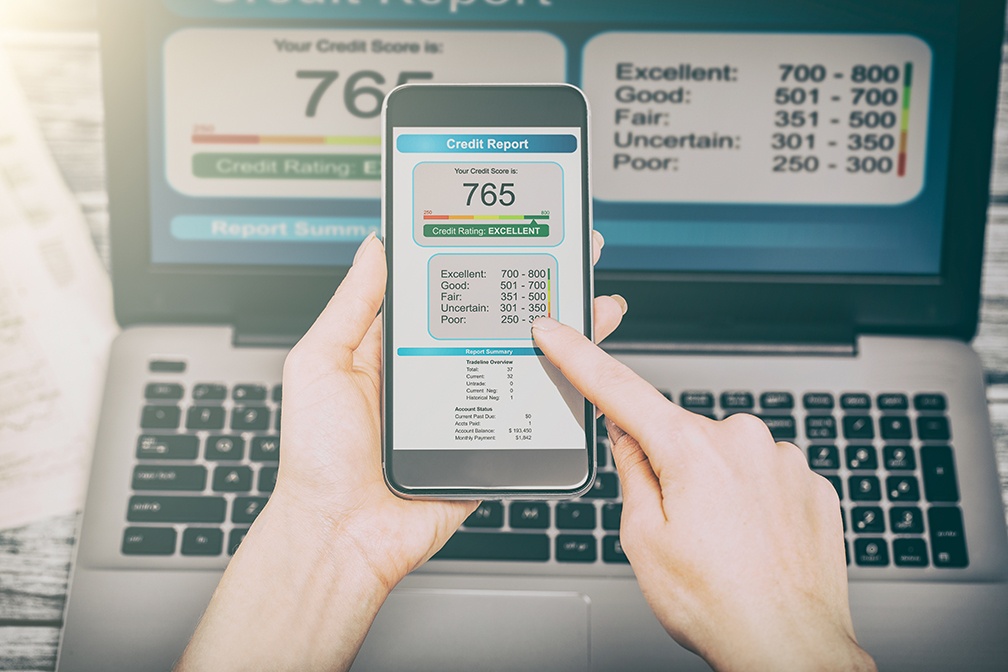 The vast majority of people have to take out a home loan to purchase a house. This means applying for a mortgage. Unfortunately, shopping for a mortgage can actually hurt your credit score. Any potential lender will probably have to do a hard pull on your credit. This could temporarily reduce your credit score by a few points. Those few points could make the difference between qualifying for a mortgage and getting denied one. Fortunately, there are ways for you to shop for a mortgage without hurting your credit.
 It’s amazing that in a year with extremely low mortgage rates being reported around the country, closing costs are up by as much as 6% from the previous year. Part of the reason for this is that the stricter regulations on loans have increased the costs to banks, and they always find a way to pass on new costs to the consumer.