 When a home sits on the market longer than expected, the price is often the first thing blamed. While overpricing can be a major factor, it’s far from the only one. One of the most common culprits is poor presentation. Buyers today form opinions within seconds, often based on online photos before they even step foot inside.
Homes that are cluttered, outdated, poorly lit, or in need of deep cleaning may leave a negative impression. Listing photos that are dark, grainy, or unprofessional can stop interest before it starts.
Accessibility and Showings
Another big reason homes don’t move quickly is limited accessibility. If a home is difficult to show, whether it’s strict showing hours, last-minute cancellations, or requiring too much advance notice, buyers may simply pass and move on to more available options. The easier it is to schedule and tour, the more likely a home is to be seen, and sold.
Seasonal Timing and Market Conditions
Timing matters. Homes listed during slower real estate seasons, like late fall or the winter holidays, may naturally take longer to sell. That doesn’t necessarily reflect on the home itself, just that fewer buyers are actively shopping. Even great listings can linger if the market is quieter when they hit the MLS.
Condition Compared to Competition
Buyers compare. If your home lacks updates or features that similar homes in the area offer, like renovated kitchens, modern bathrooms, or energy-efficient appliances, it may feel overpriced even if it’s not. Small upgrades like fresh paint, new fixtures, or landscaping improvements can help a home stand out and show value without requiring a full renovation.
Seller Psychology and Flexibility
Emotion plays a role, too. Sellers who are very emotionally attached to their home may struggle to accept feedback from their real estate agent. This might mean resisting price adjustments or refusing to make suggested updates. Unfortunately, a stagnant listing often ends up needing deeper cuts or bigger changes later, ones that could have been avoided by staying flexible early on.
Marketing Reach and Strategy
Lastly, marketing matters. Simply putting a home on the MLS isn’t enough. Homes that aren’t promoted through multiple channels, such as social media, email campaigns, video tours, agent networks, and paid advertising, can easily be missed by qualified buyers. Effective marketing increases visibility and attracts a larger pool of interested, motivated buyers.
In short, price is important, but it’s not the only reason some homes sit. If a property isn’t moving, it’s time to look at the full picture: presentation, accessibility, market timing, local competition, emotional readiness, and marketing strategy. With the right adjustments and an experienced real estate professional guiding the process, homes that linger can often be repositioned for a quicker, more successful sale.
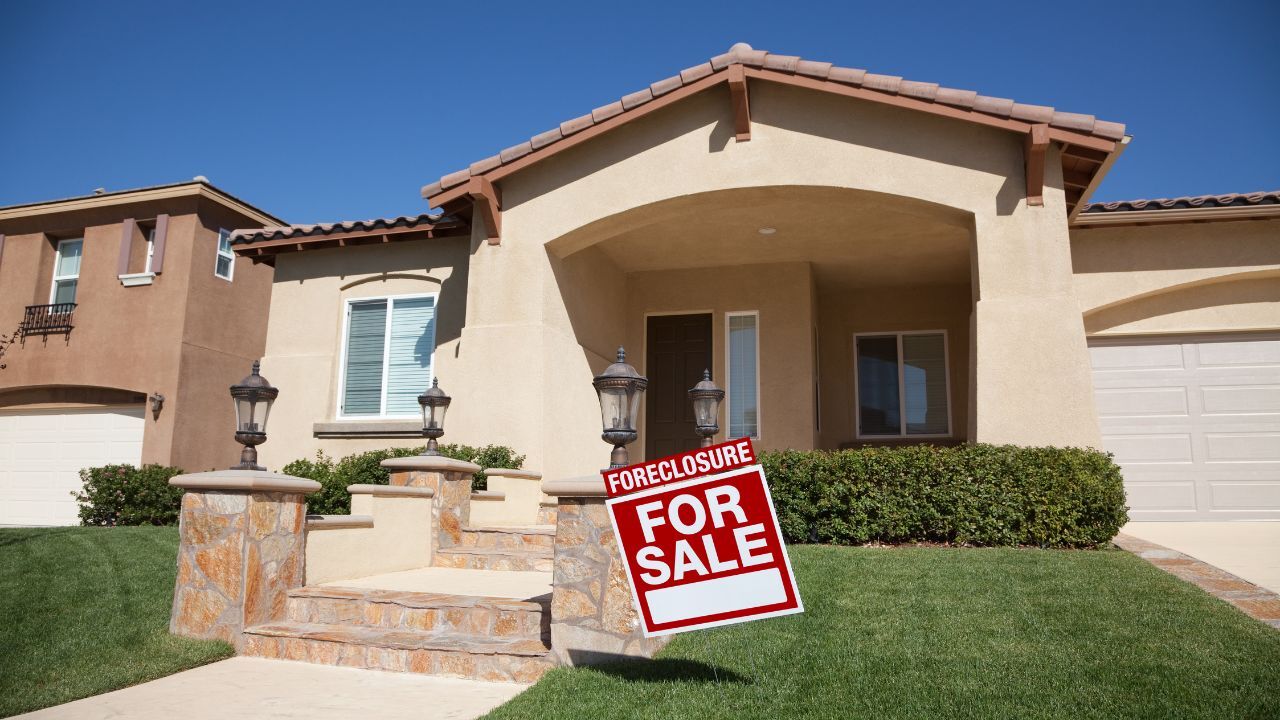 If you have been thinking about investing in a foreclosure property, you will want to make sure the home you choose does not have major hidden issues. Before hiring a professional inspector, you can do a preliminary check by looking out for some of these common problem areas:
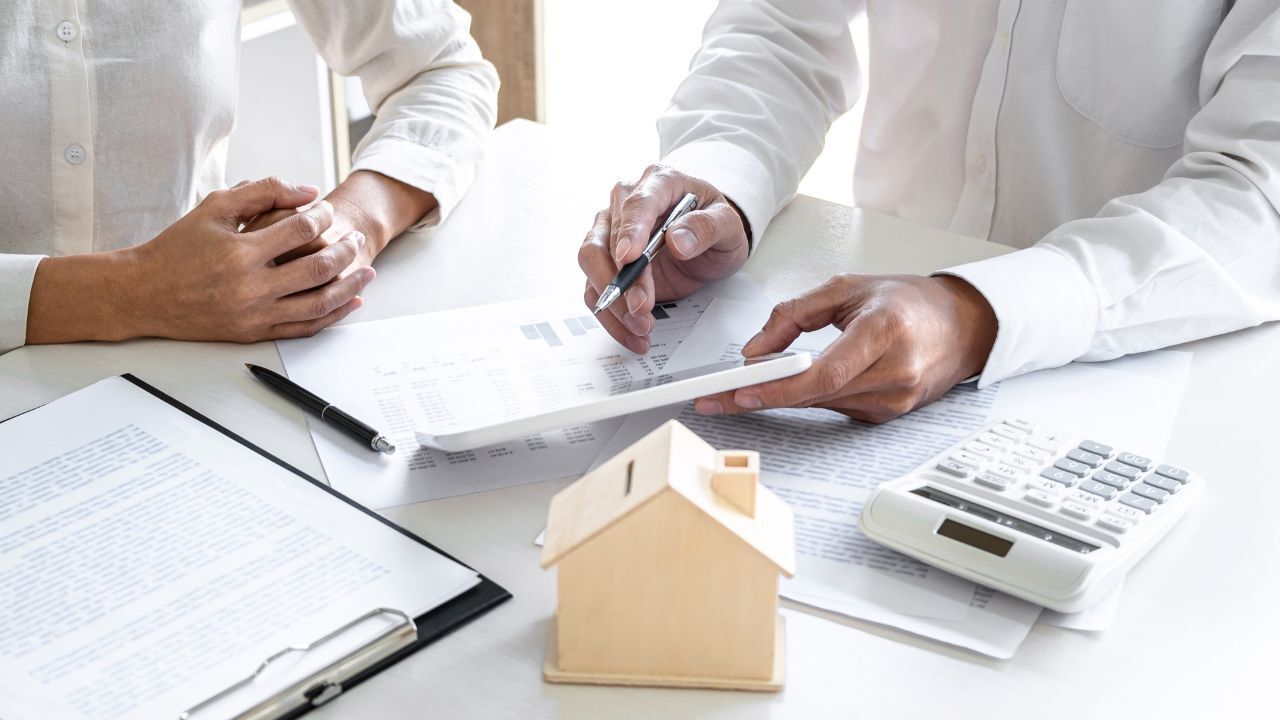 You may have heard of points when looking for real estate. Maybe your loan officer told you that you can trade points for a better interest rate. That sounds good, but just what are points? We’ll give you a better idea of just what points are and how they work.
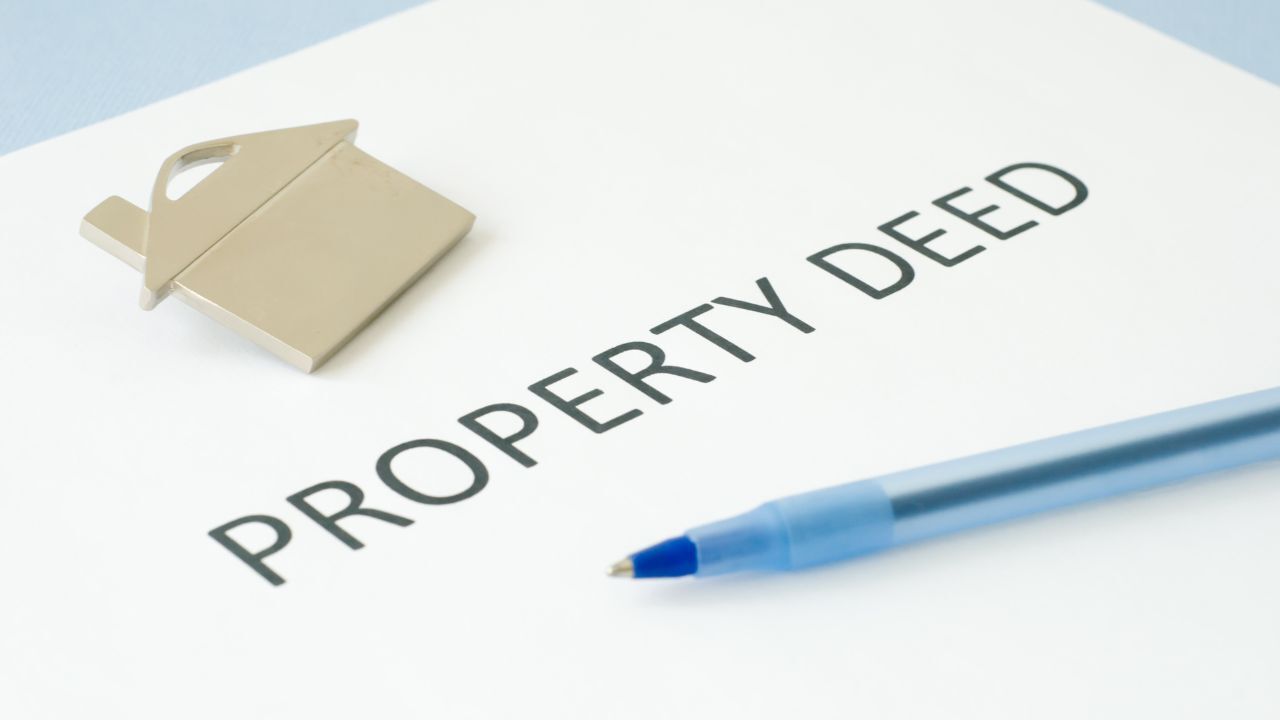 When buying a home, most buyers focus on location, price, and features. However, deed restrictions—legally binding rules that dictate how you can use your property—are equally important. Ignoring them can lead to unexpected limitations and challenges.
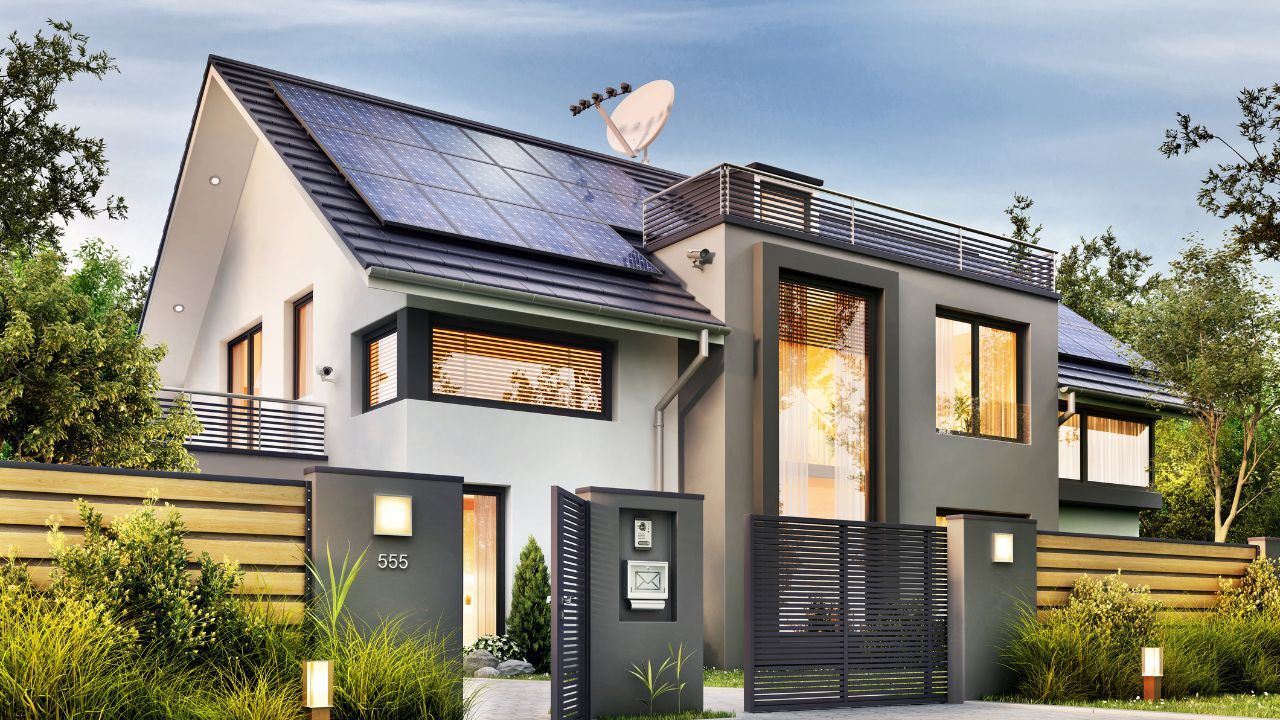 When it comes to increasing your home’s long-term value, not all upgrades are created equal. While stylish kitchens and luxurious bathrooms may attract attention, the smartest investment is one that continues to pay off for years to come: energy efficiency.
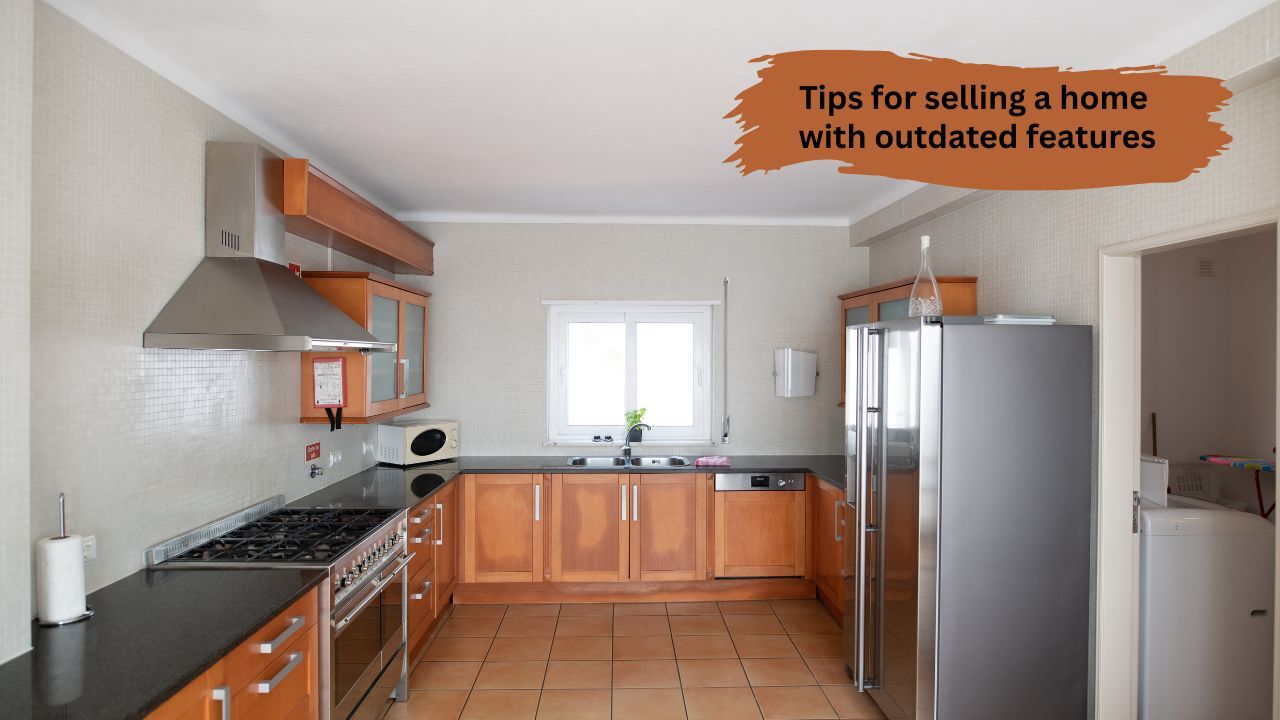 Selling a home with outdated features can be a challenge, but it’s far from impossible. Whether your kitchen hasn’t been updated in decades, or your bathrooms still have that retro charm, buyers today are looking for modern, move-in-ready spaces. However, with the right strategy and a few smart improvements, you can make your home more appealing to potential buyers and get the best possible price.