 A down payment is often treated like a simple number. Buyers ask whether they need 3%, 5%, 10%, or 20% down. While the amount matters, the personality of your down payment matters too. In other words, where the money comes from, how long it has been saved, how it affects your remaining cash, and what it says about your financial strategy all play a role.
The Steady Down Payment
Some down payments are steady and planned. These buyers save overtime, keep funds in one account, and have a clear paper trail. This kind of down payment usually feels organized because the money is easy to document. It may also show that the buyer has built strong financial habits leading up to homeownership.
The Assembled Down Payment
Other down payments are assembled from several places. A buyer may use savings, a gift from family, a bonus, proceeds from selling a car, investment funds, or money from a previous home sale. This can work, but it often requires more documentation. Gift funds may need a gift letter. Asset sales may need proof of ownership and sale. Investment transfers may need statements. The money is not necessarily a problem, but the trail needs to be clear.
The Aggressive Down Payment
Some down payments are aggressive. A buyer may put down a large amount to reduce the loan balance, lower the payment, avoid mortgage insurance, or strengthen an offer. This can be a smart move when it aligns with the buyer s goals. But using too much cash can create a different risk. If the down payment drains your savings, you may enter homeownership without enough cushion for repairs, moving costs, furniture, or emergencies.
The Smaller Strategic Down Payment
Other down payments are intentionally smaller. This does not always mean the buyer is less prepared. Some buyers choose a lower down payment because they want to keep cash available. They may value liquidity, plan to renovate, expect future expenses, or prefer to invest elsewhere. The tradeoff may be a higher payment or mortgage insurance, but the strategy can still make sense depending on the full financial picture.
Balance Matters
The right down payment is not always the largest one. It is the one that balances approval strength, monthly affordability, cash reserves, and your comfort level. A buyer with 20% down but no savings left may be more vulnerable than a buyer who puts less down and keeps a healthy emergency fund.
Know the Purpose
Before deciding, ask what your down payment is trying to accomplish. Is it lowering the payment? Preserving cash? Helping you win in a competitive market? Avoiding mortgage insurance? Creating long term stability? Once you understand the purpose, you can choose the amount more thoughtfully.
Your down payment has a personality because it reflects your priorities. Make sure it is saying what you actually want it to say.
 In the rapidly evolving landscape of real estate, smart homes are emerging as a transformative force, reshaping the way we live and interact with our living spaces. Automation and technology have become integral components of modern homes, offering unprecedented levels of convenience, efficiency, and sustainability. This article delves into the burgeoning realm of smart homes, exploring the impact of automation and technology on the real estate industry and the future trends that promise to redefine our concept of home.
 There are a lot of financing options available to help you purchase real estate, especially if you meet credit guidelines.
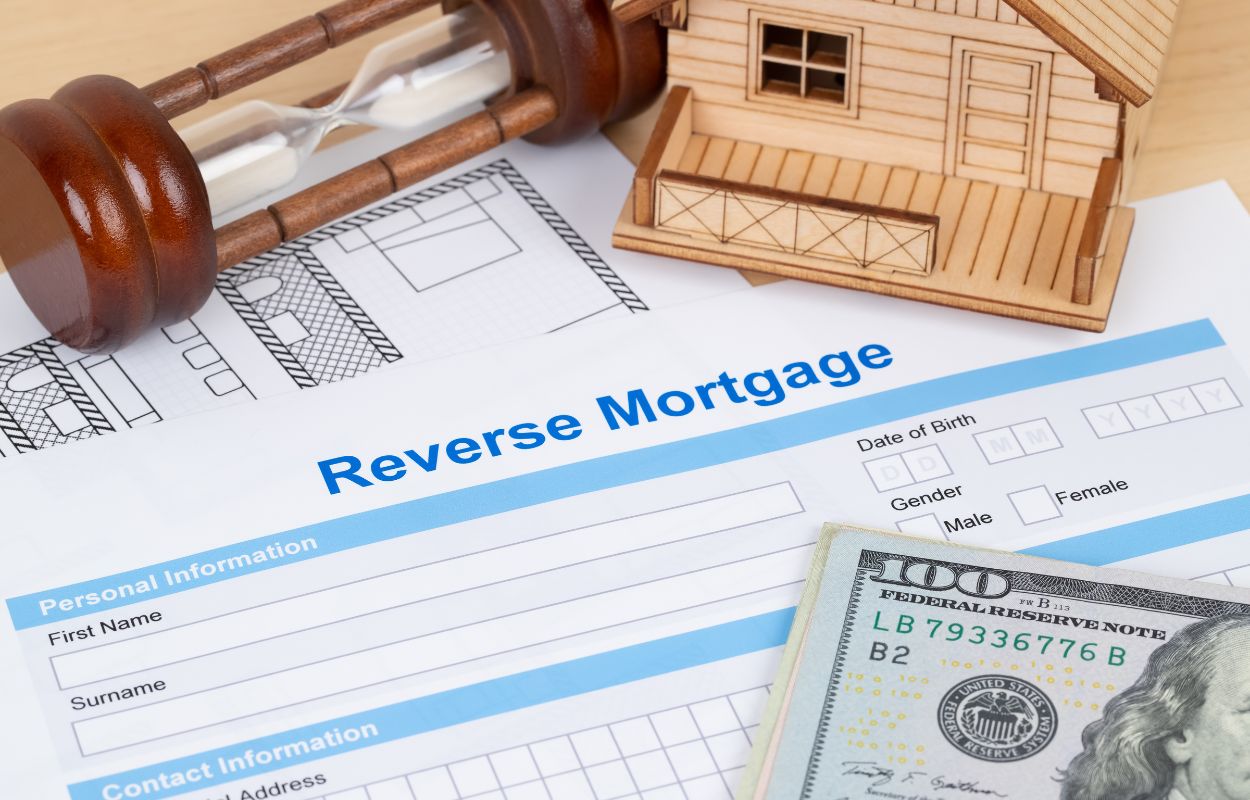 As retirement approaches, many individuals find themselves faced with financial challenges and uncertainties. One option that is often overlooked but can be incredibly beneficial is the reverse mortgage. A reverse mortgage is a financial tool that allows homeowners aged 62 and older to convert a portion of their home equity into tax-free funds. Here are three compelling reasons why you might consider a reverse mortgage when nearing retirement:
 When it comes to mortgages, a “buydown” generally refers to paying an extra fee upfront to reduce the interest rate over a specific period. There are typically two types: temporary buydowns and permanent buydowns.
 When delving into the world of real estate and investment property, there are many terms that will come up that require further explanation. Whether you’ve never heard the phrase ‘home equity’ before or you have a little familiarity, here are the ins and out of what it means and how this asset can help your financial outlook.