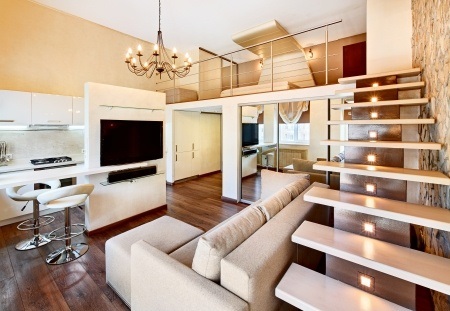
 When decorating a small space, there is a general desire to make the space look and feel larger than it is while also meeting basic functional needs in the room. For example, there may be a need to accommodate seating for a group of people in a living room, but there also may be a desire to provide ample space for foot traffic so the area does not feel cramped. By following a few important tips, it is possible to furnish smaller spaces so that they are functional and do not feel cramped.
Think About Decorative Storage Solutions
One of the most common factors that will make a small space seem cramped and uncomfortable relates to clutter, and because of this, focusing on storage solutions can go a long way toward making the space feel larger than it is. Storage solutions can be decorative, and they can be a true benefit to the décor in the room. Think about functional storage features like an ottoman with hidden storage features, an entertainment center with cabinets and shelves or a tall bookshelf that can hold many of the items that are needed in the room.
Decorate The Space Vertically
For most people, there is a general inclination to decorate a room horizontally and to fill the floor space with furnishings, but this can be detrimental when decorating a smaller room. In a smaller space, decorating the space vertically by using bookshelves, storage cabinets and other features that rise above the ground rather than that sprawl across the ground can be beneficial. The goal should be to decorate the room fully while leaving ample space for foot traffic to maneuver through the room comfortably.
Use Lighter Colors
Darker colors used in a smaller room can make the space feel closed off and cramped. Using lighter colors can brighten the space and make it seem more airy. While using shades of white and beige throughout a space may not be ideal in all rooms, these can be incorporated into various aspects of the décor to improve the spacious feel of the room.
Smaller spaces can be challenging to decorate, but there are different tips and tricks that can be used to make the space look and feel larger than it is. Some tips help improve the functional use of the space, while others simply play tricks and create the illusion of space. All can be used together to create the feeling of a larger, more inviting room.
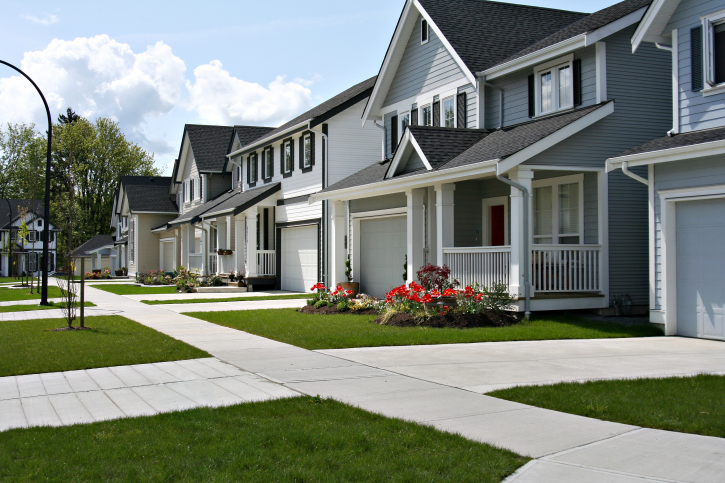 Housing markets show continued signs of strengthening according to reports released on Wednesday. The National Association of Realtors® reported that sales of pre-owned homes rose to 5.49 million in June as compared to May’s revised reading of 5.32 million pre-owned homes sold and expected sales estimated at 5.42 million sales. Expectations were based on May’s original reading of 5.35 million sales. June’s reading was the highest since February of 2007. Readings for existing home sales are calculated on a seasonally adjusted annual basis.
 Savvy home buyers who are preparing to make a real estate purchase should do their research and understand that they need to save money for not only the down payment, but the closing costs as well. The closing costs can account for as much as three to five percent of the sales price in some cases, so this can be a rather sizable amount of money. Some home buyers however, may not realize that the amount of closing costs can vary considerably based on the home that is purchased. With a closer look at why this is, home buyers can make a more educated decision when selecting a home to purchase.
 Each real estate market is unique in various ways, and your local real estate agent can help you to become more familiar with the trends in your community. For example, in some areas, it may be common for a seller to pay for at least a portion of the buyer’s closing costs, but this may not be common practice in other areas. While each market may be unique, there are some common trends that you can expect to be rather widespread across many communities throughout the rest of the year.
 Last week’s economic news included an encouraging report from the National Association of Home Builders, whose housing market index held steady with a reading of 60 in July. This was the 13th consecutive month for readings over 50, which indicate that more builders are confident about housing markets than those who are not. July’s reading was noteworthy as it was the highest since November 2005 prior to the recession.
 Home builder confidence remained steady at the highest reading in almost ten years according to the National Association of Home Builders (NAHB) Wells Fargo Housing Market Index for July. The latest reading of 60 for the index was identical to expectations and June’s reading, which was revised to 60 from an initial reading of 59. The NAHB Wells Fargo Housing Market Index is based on readings of zero to 100 with readings over 50 indicating that a majority of home builders surveyed are confident about housing market conditions. July’s reading was the 13th consecutive month of readings above 50.