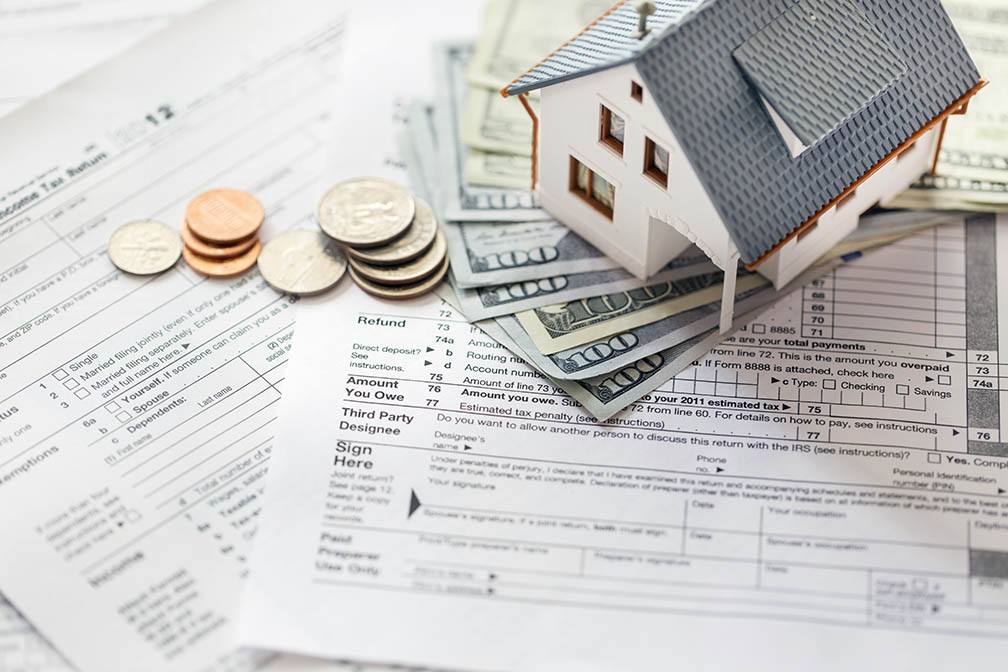
 Are you thinking about buying that perfect new home? Whether you’re buying for yourself or a new home for a family, there will be many costs involved. Let’s take a look at 3 budgeting tips that will help make home ownership on a single income easier.
Get A Full Picture Of Home Ownership Costs
Buying a home is never as simple as paying a mortgage payment each month. So, as with most budgets the first place to start is a full consideration of everything involved.
On top of your mortgage, what other monthly costs will come up? Consider utilities like electricity, phone, cable, water and others. You’ll be responsible for property taxes, so find out how much other local owners are paying. If you’re buying into a community, you may have to pay monthly fees to a homeowners’ association.
When you’re visiting open houses and talking to owners, be sure to get a full picture of their monthly costs. It will help you build a responsible budget.
Keep Your Credit As Strong As Possible
It might sound obvious, but keeping your credit or FICO score spotless is important. Buying a home on a single income means that you’ll need a mortgage. Depending on the home you’re buying, this might be significant. Your credit score is one of many factors your lender will use to assess you, but it’s the most important. So keep those bills paid on time and avoid any black marks on your credit report.
Plan Ahead For Unexpected Budget Shocks
Don’t forget to think ahead at events that — while unlikely — may shock your finances. Having one income means that you’re one negative health event away from being out of work. What happens if the income-earner gets sick, fired or laid off? Is there other work nearby, or would you need to move? Consider the different types of insurance you can get on your mortgage and home. And how much you’ll need to put away in a ‘rainy day fund’ each month.
While it might be a bit more of a struggle, it’s still possible to buy a home on a single income. For more tips and insight, be sure to contact your local real estate professional. They’ll be able to share how other single-income families have bought homes in your local market.
 When you’ve been in your home for a while and have established a certain amount of equity, it can be a good feeling to know that you have an investment you can count on. However, with changing weather patterns you may be afraid of a natural disaster striking and what it could mean for your financial well-being. If you’re curious about how this can impact your mortgage, here are a few things to consider.
 The idea of purchasing a property and having renters can be an exciting business venture that offers lucrative financial rewards. However, there’s a lot involved in being a successful landlord and it’s important to be aware of what’s required before making the commitment. Whether you’re investing in one rental property or five, here are some questions you should ask yourself before getting involved.
 Last week’s economic readings included reports on construction spending, Case-Shiller Home Price Indices and pending home sales. Fed Chair Janet Yellen said in a speech that federal interest rates would “likely” be raised. Weekly reports on new jobless claims and mortgage rates were also released.
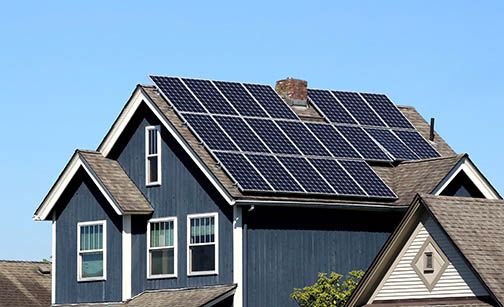 Many people are concerned with having a negative impact on the environment, but it can be hard to know where to begin when it comes to climate friendly solutions around the home. Whether you’re planning for a future investment or are interested in fixing-up the home you’re in, here are some solutions for greening up your personal space that won’t bust the bank.
 December home prices continued to rise per December readings for Case-Shiller’s National and 20-City Home Price Indices. On average, national home prices increased by 5,80 percent year-over-year and exceeded November’s year-over-year reading of 5.60 percent. The 20 City Index, which analysts follow more closely than the National Home Price Index, posted a year-over-year gain of 5.60 percent in December, which exceeded an expected reading of 5.40 percent and November’s year-over-year reading of 5.20 percent growth.