 Many people, whether they are new to the market or have purchased a home before, consider investing in a home without the help of an agent. While there are benefits involved with going it alone, there are also a number of drawbacks that can significantly impact the success of your home purchase. If you’re wondering about the difficulties involved in going “agent-less”, consider the following points.
It’s A Lot Of Legwork
It might seem simple if you’ve found a house and you like it, but a lot more goes into investing in a home than just finding a place. While you can do research on your own, an experienced real estate agent will have knowledge of the market and the neighborhoods you’re searching in and will be able to share an insider’s perspective. As a result, they may be more successful at providing you with insights about the local community and the price you should be paying. All of which would be hard to determine on your own.
Navigating The Process
Home ownership can be considered as easy as signing on the dotted line, but there are so many steps that go into making the final purchase that having someone experienced along to assist can be very beneficial. In addition to pay stubs, tax returns, employment records and bank statements, you’ll need to deal with legal forms, deeds and a ton of other information the home sellers and your lender will need. Fortunately, an agent will be familiar with what’s needed and will be able to simplify the process wherever possible.
The Right Home Takes Time
The right agent may make finding a home look pretty easy, but it takes a lot of knowledge and experience to be able to find what works for you. As a result, it’s very easy to underestimate the amount of time you’ll need to invest in research and open houses and even negotiating to find your next home. If you don’t have the time to do what’s needed to find the right place for you, it may be worth enlisting the services of a professional.
It can be tempting to forego the costs of an agent when it comes to buying a home, but the right agent can save you time and help you find the right place at the right price. If you’re currently preparing to invest in a home, contact your local real estate professional for more information.
 Whether you’ve just finished school or are about to start a family, investing in a home can be one of the biggest financial decisions of your life. But as you’ll soon discover, there are a number of considerations you’ll need to make. It can be difficult to know whether to get a short-term or long-term mortgage, or how long of an amortization period you’ll need. Read on below for three questions that will help you to make your decision, as now is the best time to dive into the market.
 Most homeowners are so enthusiastic about putting their home on the market and getting the price they’re hoping for that the expenses involved in selling a home are forgotten. However, it’s often said that one has to spend money to make money, and selling a home is no exception! If you’re wondering what kinds of overlooked expenses will cut into your home sale, here are some costs to consider.
 Ah, the city. With so many people living in an urban landscape these days, it can be hard to find anything more than a planter on the balcony for your herbs. And good luck finding space for vegetables or large flowering plants! Fortunately, coming up with a community garden can be a great way to get the locals together. If you’re wondering how to get started with this fun project, begin with the following guide.
 Last week’s economic news included readings on new and existing home sales, Case-Shiller Home Price Index reports and an announcement by the Federal Open Market Committee of the Federal Reserve. Weekly readings on mortgage rates and new jobless claims were also released.
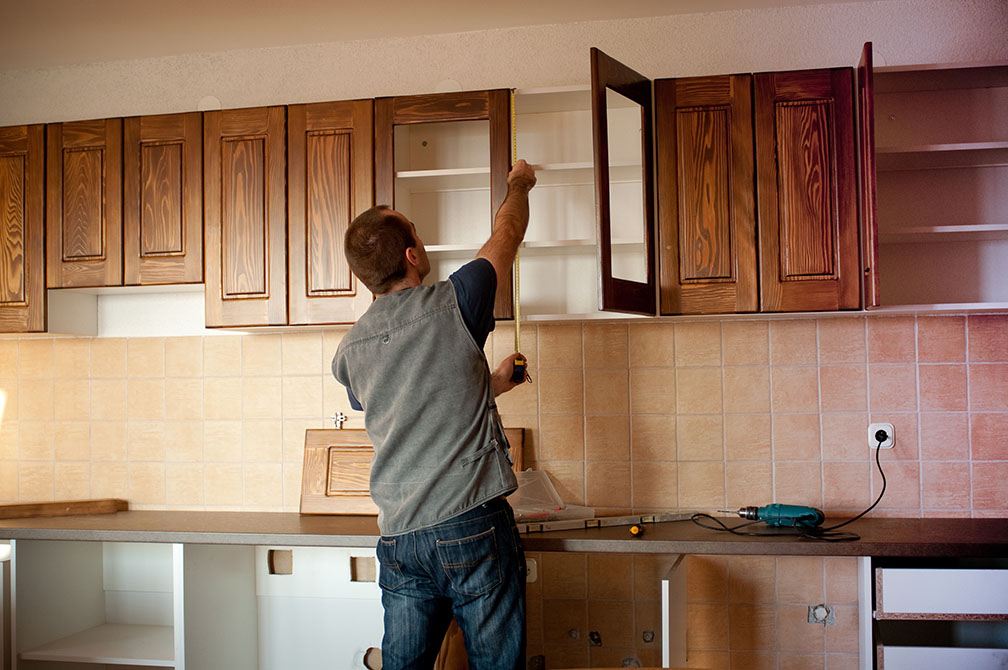 Whether you’re trying to improve the look of your home or are getting ready to put it on the market, the idea of renovations might seem like a significant financial burden to take on. Fortunately, there are a variety of easy solutions for improving the look of your home without spending a lot of money. If you’re wondering how you can spend $100 wisely, look no further than the following upgrading tips.