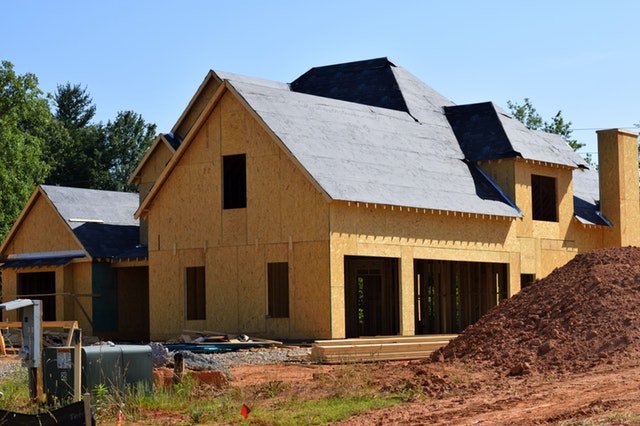
 The housing market has been trending in a positive direction and economic indicators point to new home construction going vertical.
Following the housing bubble and sluggish post-recession economy, construction companies largely turned their attention away from new homes. Diminished values, high regulatory and materials costs served as deterrents to home-building.
But the economic revival the country is experiencing – coupled with a housing shortage – has builders poised to jump back into the single-family home game. Here are three reasons new home construction is expected to boom.
1: First-Time Buyer Lifestyles
Consider that the last big new construction boom occurred 12-16 years ago. Those so-called “new” homes are well lived in these days. The trickle of actual new homes since cannot come even close to meeting the demands of Millennials entering the housing market. This demographic also tends to look for vastly different things than the traditional buyers before them.
Millennials grew up immersed in technology. Smart-home and Green features rank high on their check list. Items such as solar panels, automation and being able to manage a living space from a phone app simply were not part of the previous housing boom equation. Simply put, young first-time buyers want a type of home that fits their life experience.
2: New Home Economics
The inventory shortage has driven many people to rent. Many would rather invest that monthly housing cost into equity and gain tax write-off benefits. Also, a high number of military service members are returning to civilian life as the War on Terror winds down. That means you have a growing number of people with the ability to secure friendly VA mortgages that require no down payment.
Stateside, tech and career schools are turning out graduates that are entering good paying jobs. This all adds up to a large number of first-time homebuyers with the economic temerity to reach above traditional starter homes.
3: Rising Mortgage Rates Matter
Some economists forecast economic shrinkage when the Fed raises rates. The president recently voiced his displeasure over the move.
But the rate increase remains a natural phenomenon in an economy enjoying historic positive measures. Record-low unemployment and a GDP that posted 4.1 percent growth are touchstones that everyday Americans are doing better and can afford a little more.
While naysayers may claim the modest interest rate increase will result in economic contraction, it could have exactly the opposite effect in the new construction market.
Consider that home-builders who shifted to other niche markets see a window for improved revenues given the tight home inventory. The uptick in rates means that people will likely be prompted to buy sooner, rather than wait for the next hike. That could be another reason a new construction perfect storm is brewing.
The winds appear to be blowing in the right direction for construction companies to jump back into the new home game. These homes are likely to sell quickly, and builders could see tremendous pre-sale interest. If you are interested in buying a newly built home or one still on the drawing board, your trusted real estate professional is sure to be one of your very best assets.
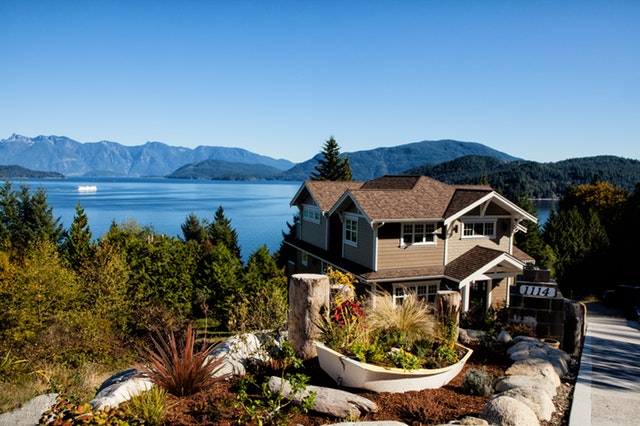 There’s an idea running through marketing and business circles that anything that is popular, the opposite will likely be popular as well.
 What are some of the most important factors that buyers take into consideration when looking for a new home? There are the obvious things like price, square footage, location and lot size. Those are the basics. Other things that are often weighed are garage size, how updated the kitchen and baths are and whether or not the basement is finished.
 Last week’s economic readings included reports on sales of new and previously-owned homes, and weekly reports on mortgage rates and first-time jobless claims.
 “Move-in ready” homes are desirable — there’s no doubt about it! But sometimes it makes better financial sense to opt for a house with dated decor and a less than trendy kitchen or master bath.
 Football season has kicked off, temperatures are cooling and pumpkin spice everything is for sale in the stores. Yes, fall is here. While most people associate the spring and summer months as the ideal times of year to buy or sell, fall is still a great time to put your home on the market.