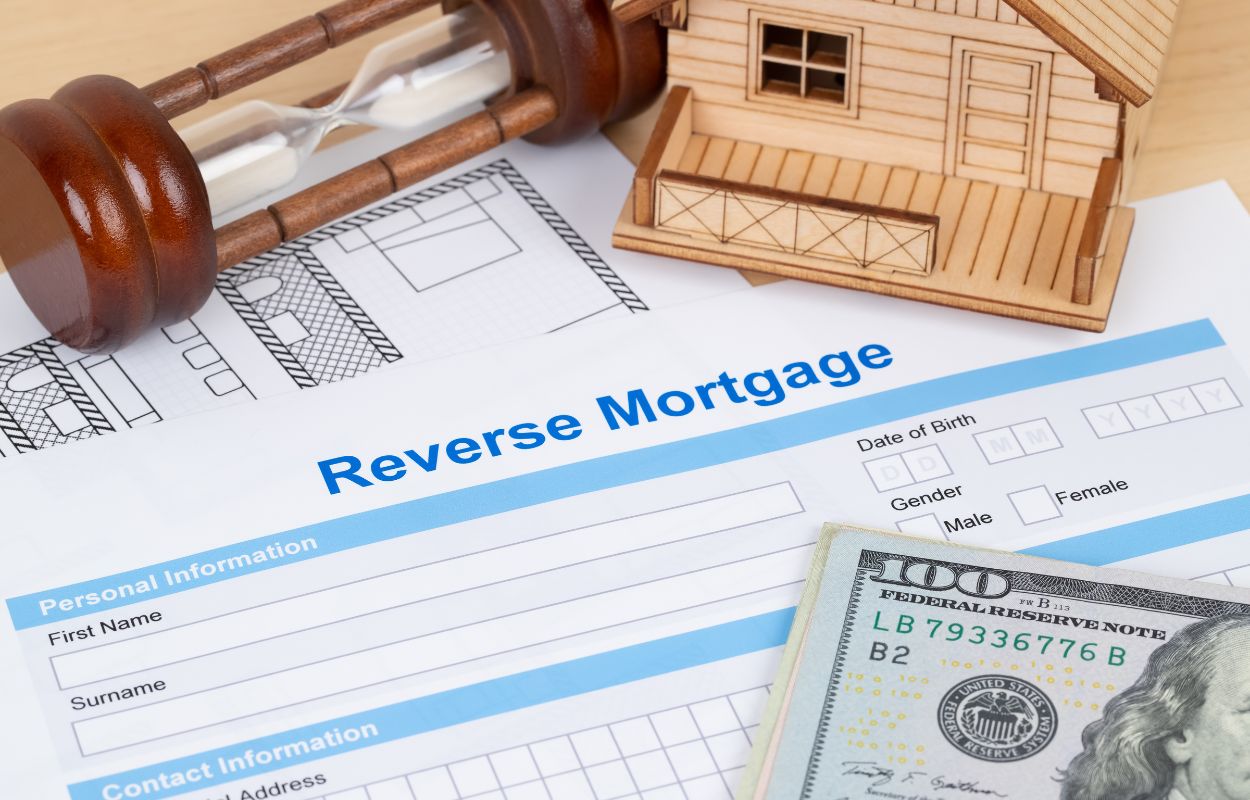
 As retirement approaches, many individuals find themselves faced with financial challenges and uncertainties. One option that is often overlooked but can be incredibly beneficial is the reverse mortgage. A reverse mortgage is a financial tool that allows homeowners aged 62 and older to convert a portion of their home equity into tax-free funds. Here are three compelling reasons why you might consider a reverse mortgage when nearing retirement:
Supplement Your Retirement Income:
One of the most common concerns for retirees is whether they will have enough income to maintain their desired lifestyle throughout their golden years. Social Security and retirement savings may not always be sufficient to cover all expenses, and this is where a reverse mortgage can come to the rescue.
With a reverse mortgage, you receive monthly payments, a lump sum, or a line of credit based on the equity in your home. The funds you receive are not considered taxable income, and they can be used to supplement your retirement income, pay off existing mortgage debt, or cover unexpected medical expenses.
Eliminate Monthly Mortgage Payments:
A significant advantage of a reverse mortgage is that it allows you to eliminate monthly mortgage payments. By converting your home equity into a reverse mortgage, you can live in your home without the burden of monthly payments. This can free up a substantial portion of your income for other expenses, improving your financial security and reducing your financial stress.
Maintain Ownership of Your Home:
Some people worry that a reverse mortgage will require them to give up ownership of their home. However, this is not the case. With a reverse mortgage, you retain ownership of your home as long as you continue to live in it and maintain it. The loan is repaid when you or your heirs sell the property or when you no longer live in the home.
It’s important to note that a reverse mortgage is not suitable for everyone, and there are eligibility requirements and responsibilities associated with it. Before considering a reverse mortgage, it’s advisable to consult with a financial advisor or mortgage specialist to understand the terms, implications, and potential risks involved.
A reverse mortgage can be a valuable tool for retirees facing financial challenges or seeking to enhance their retirement lifestyle. When nearing retirement, it’s essential to explore all your financial options to make informed decisions that best align with your specific needs and goals. A reverse mortgage may be the right choice for you to enjoy a more comfortable and financially secure retirement.
 When it comes to mortgages, a “buydown” generally refers to paying an extra fee upfront to reduce the interest rate over a specific period. There are typically two types: temporary buydowns and permanent buydowns.
 There will be a very light week with the Holiday season approaching. The only notable reports to have come out for the week are the U.S. economic leading indicators, with nothing scheduled around Thanksgiving weekend. The median forecast for the leading indicators has shown that with the rest of the CPI and PPI data among other economic statistics, the economy does seem to be heading towards a soft landing as the Federal Reserve had initially targeted. The most notable changes are lending partners cutting rates with the potential for shifting economic policies and rate cuts in the future.
 Buying a home, a car, or any significant investment often involves making a down payment. The down payment is a crucial part of the purchasing process, as it can impact your loan terms, interest rates, and monthly payments. But how much should you save for a down payment, and why is it so important?
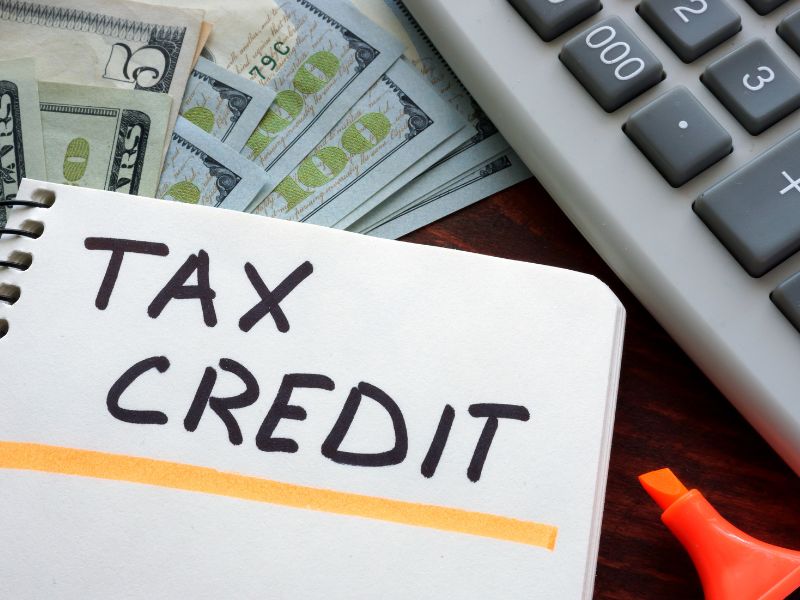 There are several big tax breaks available from home credits that can help homeowners save money on their taxes. Here are some notable examples:
 In the world of personal finance and homeownership, there’s a common debate: should you pay off your mortgage early, or is it better to take a more relaxed approach to your home loan? While the idea of being mortgage-free is undoubtedly appealing, there are compelling reasons why you might not need to rush to pay off your mortgage ahead of schedule.