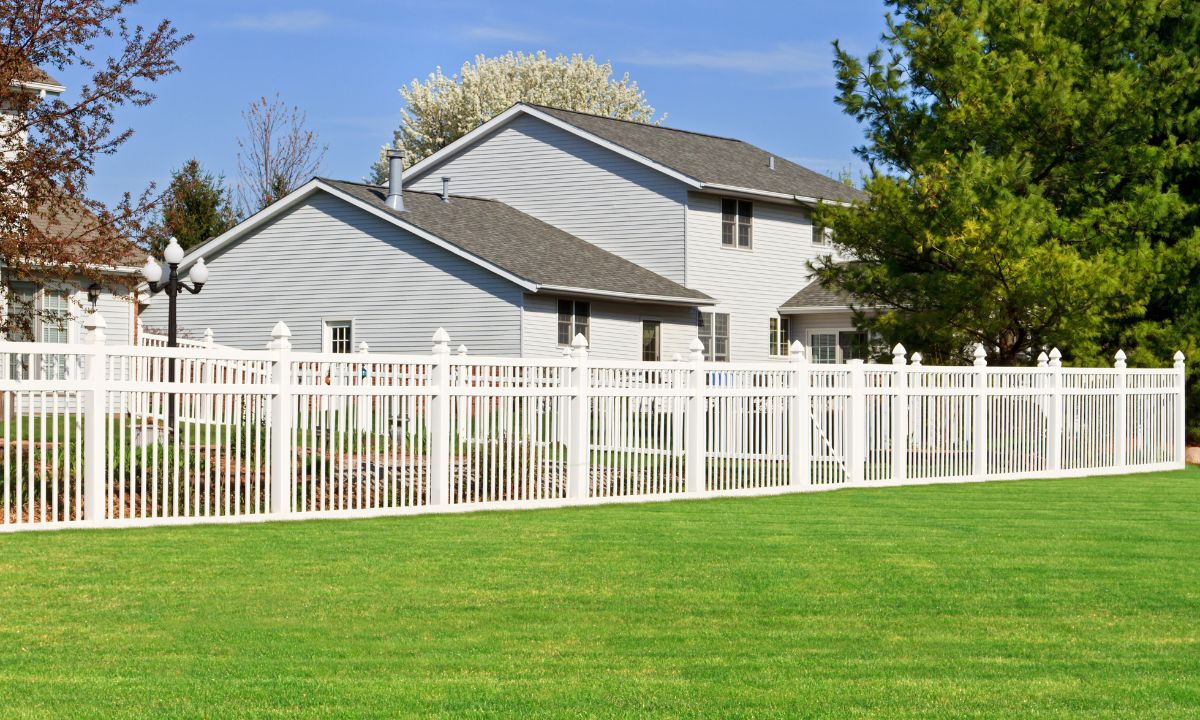
 You’re on the exciting journey of purchasing a new home, and you might find yourself in a situation where the property has a shared fence. This may not seem like a big deal at first, but shared fences can sometimes come with their own set of considerations and challenges. As a seasoned real estate agent, I’m here to share some valuable tips to help you navigate the process smoothly.
Understand the Shared Responsibility: One of the first things you should do when considering a property with a shared fence is to understand who is responsible for its maintenance and upkeep. Typically, the responsibility is shared between both property owners whose properties the fence divides. However, this may not always be the case, so it’s essential to clarify this with the seller or your real estate agent.
Review Property Lines: Before finalizing the purchase, it’s crucial to verify the property lines and ensure that the fence is indeed placed along the boundary. Property surveys can help in confirming this information. It’s also wise to check for any encroachments or disputes regarding the fence that might cause issues in the future.
Communication is Key: If possible, try to establish open communication with your future neighbors regarding the shared fence. Discussing matters such as maintenance responsibilities, any planned alterations or repairs, and mutual agreements can help prevent misunderstandings down the line. A friendly relationship with your neighbors can go a long way in maintaining harmony.
Consider Legalities: Depending on your location, there may be specific laws or regulations governing shared fences. Familiarize yourself with local ordinances regarding fence maintenance, height restrictions, and any permits required for repairs or modifications. Being aware of your rights and obligations can save you from potential legal headaches.
Budget for Maintenance: Shared fences, like any other structure, require regular maintenance to ensure their longevity. Factor in the costs of repairs, painting, or replacement when budgeting for homeownership. It’s a good idea to set aside a separate fund specifically for fence maintenance to avoid financial strain in the future.
Get it in Writing: When finalizing the purchase agreement, make sure that the details regarding the shared fence are clearly outlined in writing. This should include specifics about maintenance responsibilities, any agreements reached with the neighbors, and how disputes will be resolved. Having everything documented can provide clarity and prevent misunderstandings later on.
Maintaining a positive relationship with your neighbors is essential when dealing with a shared fence. Respect their boundaries, communicate openly, and be considerate of any concerns they may have regarding the fence. A little courtesy goes a long way in fostering good neighborly relations. Buying a home with a shared fence doesn’t have to be deterring. By understanding your rights and responsibilities, communicating effectively with your neighbors, and being proactive about maintenance, you can enjoy your new home with peace of mind.
 When it comes to selling a home, it is a common belief that once the offer is accepted, there is nothing else to be negotiated. However, issues and obstacles that can arise during the home inspection can be a cause for discussion with the seller. Whether you’re currently searching for houses or your offer has already been accepted and you’re preparing for the next step, here are some tips in the event that the home inspection isn’t up to par.
 The roles of buyer’s agents and seller’s agents often swirl together in a complex dance of negotiations, contracts, and property evaluations. Understanding the distinctions between these two types of agents is crucial for consumers looking to navigate the labyrinth of buying or selling a home. Moreover, there’s a scenario where one agent might take on both roles, adding another layer of intricacy to the process.
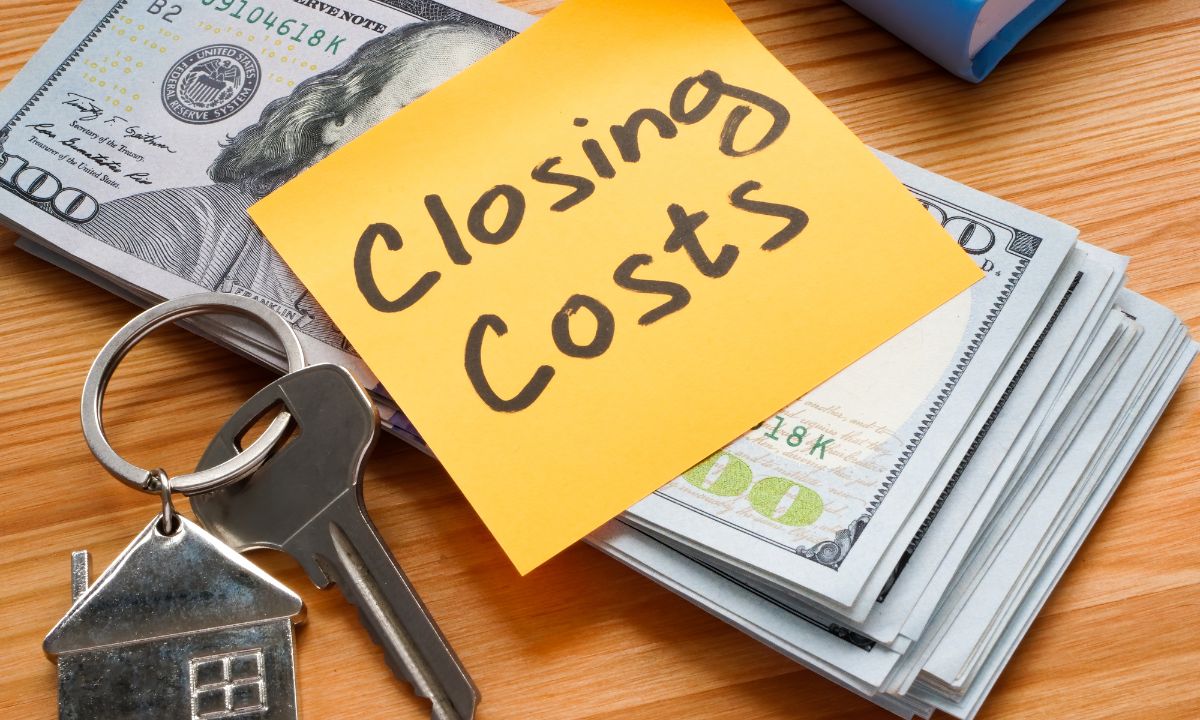 Buying a home is an exciting journey, but it’s not without its twists and turns. One specific daunting aspect for many homebuyers is understanding the sphere of closing costs. These additional expenses can catch even the most prepared buyers off guard if they’re not properly understood. So, let’s discuss the world of closing costs and shed some light on what to expect when purchasing your dream home.
 Are you considering purchasing a property governed by a Homeowners Association (HOA)? If so, you’ve probably come across the term “HOA fees.” What exactly are these fees, who pays them, and why are they necessary?