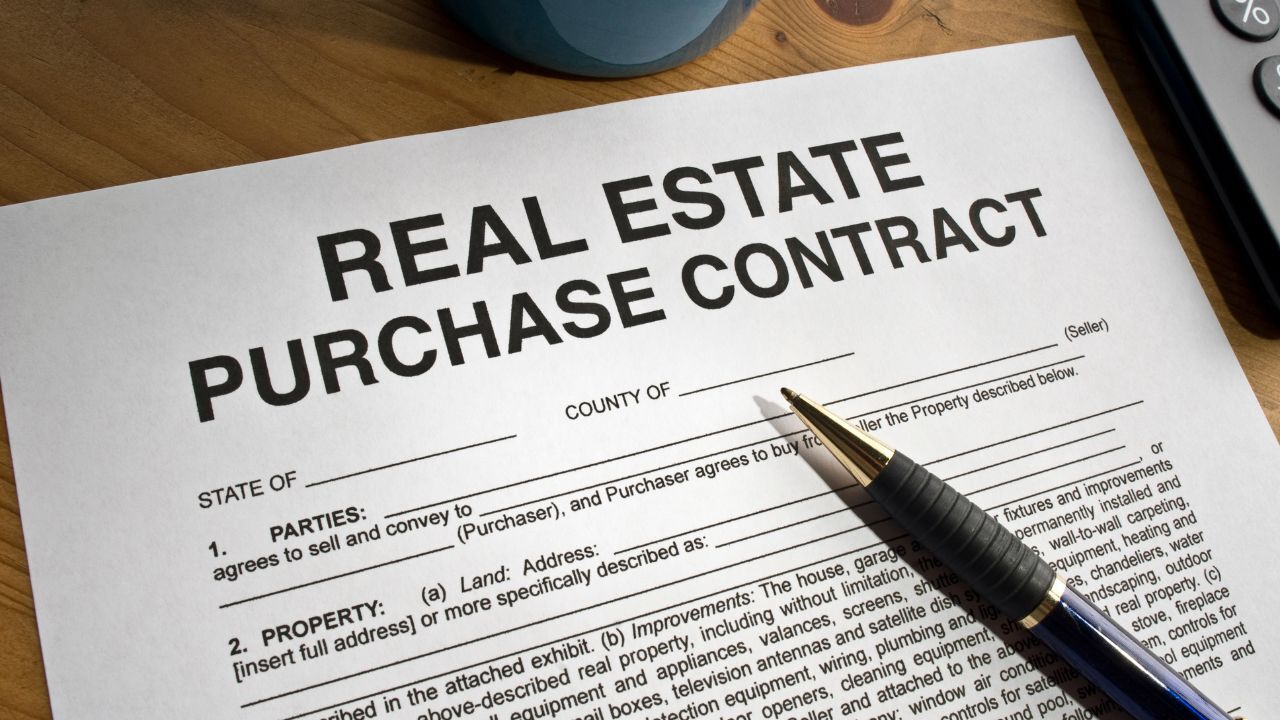
 When you are scrolling through homes online, it’s easy to get swept away by beautiful photos, catchy descriptions, and enticing phrases like “charming fixer-upper” or “cozy starter home.” But as a real estate agent, let me tell you, there is often more to the story than meets the eye. Learning to read between the lines of a real estate listing can save you time, prevent disappointment, and help you find the right home faster.
Here is how to decode what those listings are really saying:
- “Needs TLC” = Bring Your Toolbox
If you see phrases like “needs TLC,” “great bones,” or “handyman special,” these are polite ways of saying the house needs repairs, possibly a lot of them. These homes might be great investments but be ready for renovation costs and potential surprises during inspections. - “Cozy” or “Charming” = Small
These words aren’t necessarily red flags, but they’re often code for smaller square footage. “Cozy” may sound inviting, but it could mean tight living quarters. Always check the actual square footage listed and compare it to your space needs. - “As-Is” = Seller Will Not Fix Anything
When a home is listed “as-is,” the seller is letting you know they will not be making repairs, even if your inspection reveals issues. This does not mean it is a bad deal, but it does mean you will need to go in with eyes wide open and budget for potential fixes. - “Up-and-Coming Area” = Not Quite There Yet
This phrase is commonly used to describe neighborhoods in transition. It might mean you will get a great deal now, but there could be noise, construction, or limited amenities nearby. It’s smart to visit the area at different times of day and ask your agent about future development plans. - “Priced to Sell” = Motivated Seller or Overpriced?
This can go either way. Sometimes “priced to sell” means the home is competitively priced to attract quick offers. Other times, it may mean the seller is testing the market at a higher price and looking for the best possible deal. A good agent will help you run comps to know for sure. - “Natural Landscaping” = Might Be Overgrown
While some buyers love wild, eco-friendly yards, phrases like “natural landscaping” or “low-maintenance yard” might really mean there is no grass, and the weeds have taken over. Take a close look at the outdoor photos, or better yet, visit in person. - Photos That Focus on Decor
If a listing shows more close-ups of throw pillows than the actual layout of the home, it may be hiding something. Pay attention to what is not shown, like missing shots of a bathroom or basement.
Reading between the lines is an art. That is why working with an experienced real estate agent is so important. I’m here to help you translate the language of listings, spot red flags early, and find the home that’s truly the right fit for you, not just the one with the prettiest pictures. Have questions or need help reading between the lines? Give me a call!
Hashtags
#RealEstateTips #HomeBuyingHelp #ListingLanguage #HomeSearch #FirstTimeBuyerTips #SmartHomeBuying #RealEstateAdvice #HouseHunting #DecodeTheListing #WhatItReallyMeans
06/05/2025
When you are buying a home, you are likely thinking about how it fits your life. Is the kitchen big enough? Does it have a home office? Is the backyard right for pets or kids? But what if I told you that thinking like a seller can make you a smarter buyer?
It might sound backward, but approaching your home search with resale in mind can help you make a better investment, avoid future headaches, and even save you money in the long run.
Here’s why you should always have your future resale value in mind, even on day one:
- Location Still Reigns Supreme
You have heard it before: location, location, location. But when you think like a seller, it becomes more than a slogan, it becomes a strategy. A home in a desirable school district, near major highways, or close to amenities will always attract buyers. Even if you do not have kids or work nearby, buying in a strong location increases your resale power when it’s your turn to sell.
Ask yourself: Would someone else be just as excited about this location in 5–10 years? - Avoid Over Personalization
It is easy to fall in love with a home that matches your unique style, but if it is too niche, it might hurt you later. Unusual floor plans, bold wall colors, or highly customized features (think built-in fish tanks or neon accent walls) can turn off future buyers.
Think like a seller: Could you live here happily and appeal to a wide buyer pool later? Look for a good balance between personalization and neutrality. - Consider the Floor Plan
Some layouts just do not age well. If a home has odd transitions between rooms, a tiny kitchen, or no flow between living areas, it might be hard to resell. A home with a practical, open, and flexible layout will have broader appeal, and that’s something future buyers will value just as much as you.
Ask yourself: If I had to sell this home tomorrow, how many people would walk through and love the layout? - Watch for Red Flags
Thinking like a seller sharpens your eye. You will start noticing things that affect future resale, such as homes next to noisy highways, unusual repairs, or neighborhoods trending in the wrong direction. You will also be more critical of how the home was maintained, because you know what your buyers will notice down the road. - Equity Growth Matters
Homes in high-demand areas with classic features tend to grow in value. When you think like a seller, you’ll gravitate toward homes that build equity faster. And that means when it’s time for your next move, you’re in a better financial position, whether you are upgrading or downsizing.
You are buying your dream home, but you should always keep your future exit in mind. Think like a seller from the start, and you will buy smarter, negotiate better, and feel more confident that your home will hold its value for years to come.
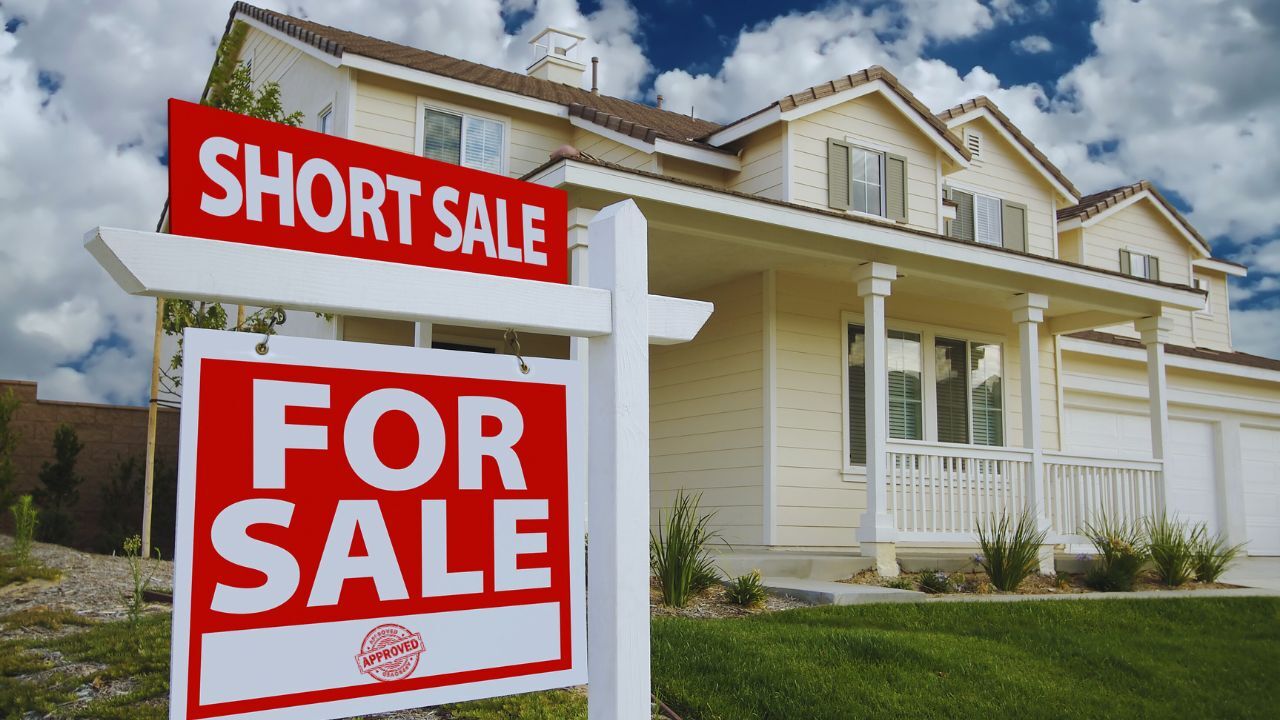 If you are struggling to make your mortgage payments and facing the possibility of foreclosure, you’re not alone and you are not out of options. One path worth considering is a short sale, which can help you avoid the long-term impact of a foreclosure on your credit report.
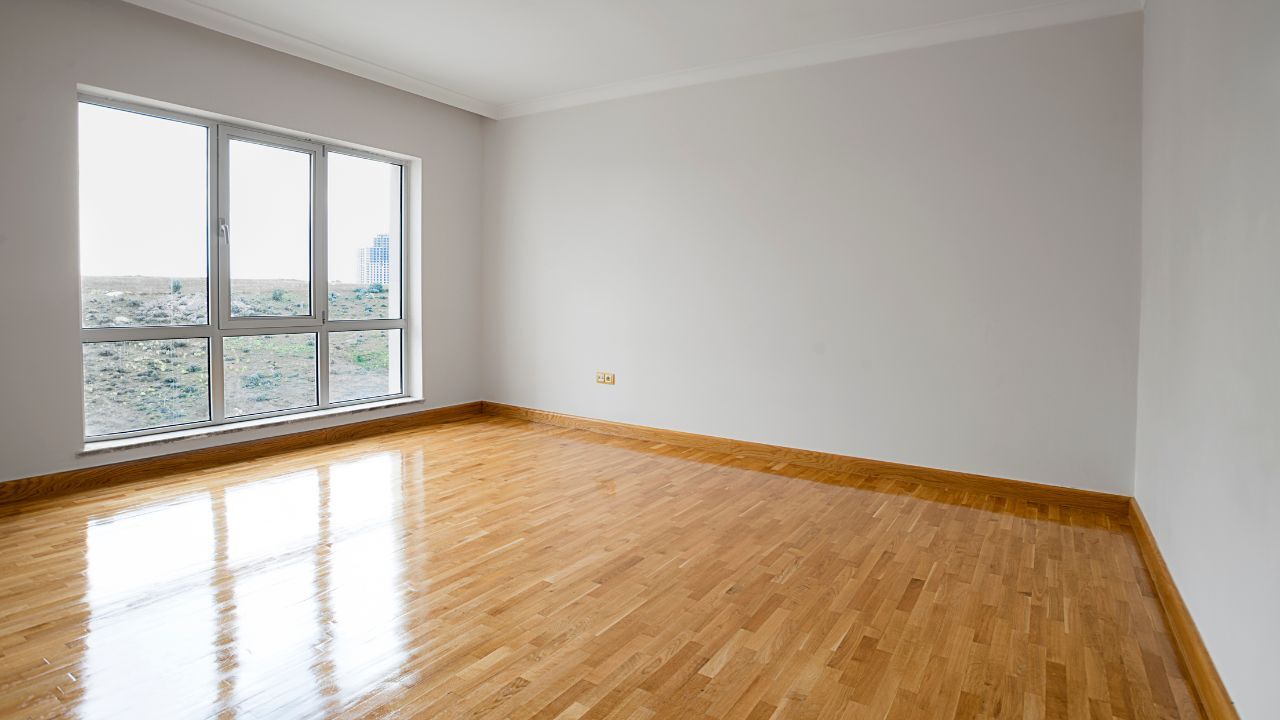 Selling a home without furniture can be challenging. Empty rooms can feel cold, echoey, and impersonal, making it difficult for buyers to picture themselves living there. While full-scale staging can work wonders, it’s not always in the budget or timeline. The good news? You can create warmth, character, and connection using a few simple tricks.
 When selling your home, you put your trust in your own real estate agent to price it right, market it well, and guide you through negotiations. But what many sellers don’t realize is that the buyer’s agent, someone you didn’t hire, can also impact your success. And unfortunately, if that agent is inexperienced, unresponsive, or unprofessional, it could hurt your sale more than you think.
 When you’re preparing to sell your home, you likely focus on everything within your property line, cluttering, staging, repainting, and boosting curb appeal. But what if the one thing standing between you and a solid offer is not your house at all?