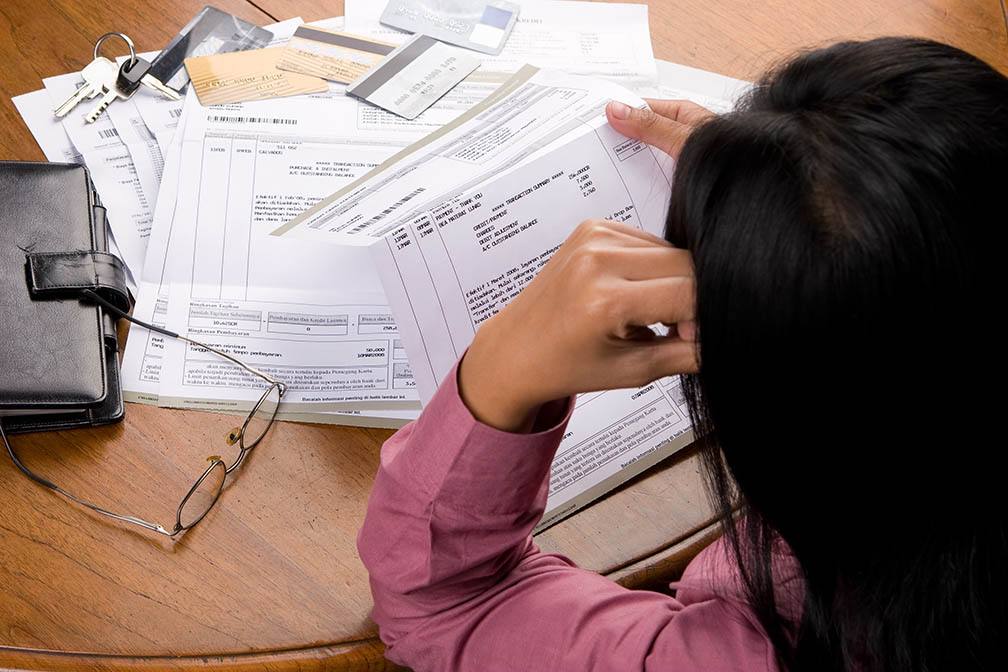
 It may feel like a daunting task to consider buying a home after you’ve declared bankruptcy, and there’s no doubt that it’s an uphill battle. Fortunately, while you’ll have hard work ahead, there are things you can do in order to make your dream of home ownership a possibility. Whether you’ve just declared bankruptcy or some time has passed, here are some things you should consider before getting into the market.
Wait It Out
It might not be what you want to hear, but you’ll have to wait before you purchase a home following bankruptcy. Since lenders will not want to take the risk on someone that has proven to have poor financial habits, they will require a waiting period in order for the credit risk you pose to improve. While this may seem like a long time, take the opportunity to improve your financial habits so you can be amply prepared when the time comes.
Build Up Your Credit
In order to own a home, you’ll need to develop some solid financial habits, and that means getting on top of your finances even in times when it feels like you have no leverage. Ensure you get a copy of your credit report and, if you notice any errors, reach out to the credit bureau for corrections. It’s also a good idea to consider applying for a secured credit card and ensure that you pay all of your bills on time. While it might feel like a lengthy task, developing good habits will have a positive impact on your credit over time.
Prepare For Your Payment
When it comes to a poor credit history, you’ll need to pull out every stop you can to convince lenders that you’re a solid financial bet. Write up a budget for yourself and save a sizable sum for your down payment each month. It’s possible that 10 or 15% down will do, but a 20% down payment will help you avoid private mortgage insurance (PMI) and will go further in convincing lenders of your reliability.
It’s more than a little disheartening to have to deal with bankruptcy, but by waiting it out and developing good financial habits in the interim, you’ll be well on your way to buying a home. If you’re currently preparing to purchase, contact your trusted real estate professional for more information.
 Last week’s economic reports suggested that demand for homes is rising despite a jump in mortgage rates and rising home prices fueled by low inventories of homes for sale. Demand for homes rose by 1.40 percent as interest rates jumped after the 10-year Treasury rate rose by 10 basis points.
 The terminology involved in the real estate market can be vexing for the newcomer, but if you’re getting prepared to buy a home, there are a few choice words you should take some time to learn. While it’s hard to learn the ins and outs in one article, here’s a place to begin with five terms you may be hearing a lot of in the future.
 An open house is a good opportunity to get out and about to see what kind of home you’re looking for and if it will work for you. Fortunately, they can also be a good opportunity to find out some things about the house you’re looking at that might not be listed on the website and may be less than flattering. If you’re wondering what red flags to watch out for, pay attention to the following things the next time you’re at a showing.
 From a sophisticated couch to a stunning art print, there are plenty of ways that you can dress up your living room and instantly change its vibe. You may not realize it, but wallpaper is back in fashion and becoming another popular way to instantly revamp a room. If you’re contemplating ways that wallpaper can benefit your space, here are some options you may want to try out.
 Last week’s economic news included Case-Shiller Home Price Indices, pending home sales and inflation. Weekly readings on mortgage rates and new jobless claims were released along with a reading on consumer sentiment. Case-Shiller and pending home sales readings suggested that recent rapid growth in home prices and home sales may be easing. High demand for homes coupled with low inventories of homes for sale has created an artificially high rate of home price growth and competition among buyers for a limited number of homes.