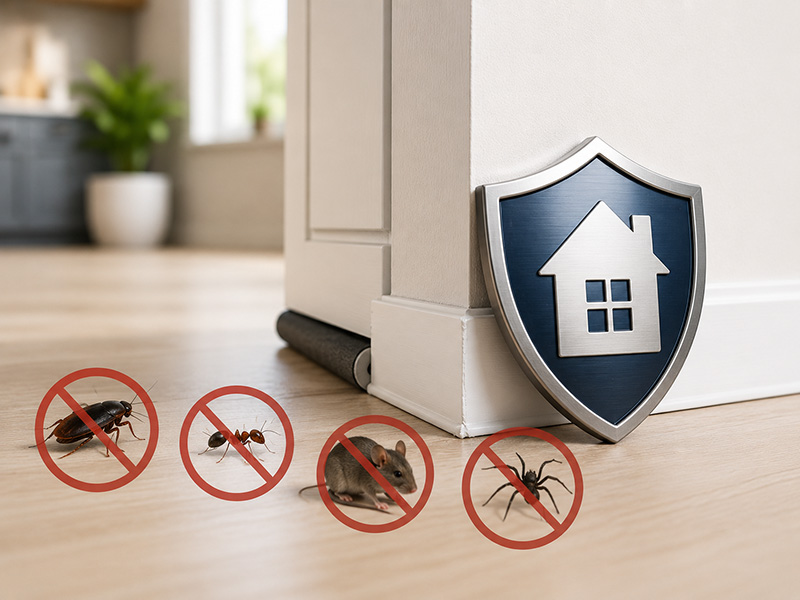
 No one thinks about pests…until they suddenly have them. And by that point? It’s usually more expensive, more stressful, and way harder to deal with than it needed to be.
The good news: most infestations are preventable with a few consistent habits and small upgrades around your home.
Here’s how to stay ahead of it.
1. Seal Entry Points (They’re Smaller Than You Think)
Pests don’t need an open door, they need a tiny gap.
Small cracks around windows, doors, vents, and even utility lines are some of the most common entry points.
What to do:
- Check for gaps around doors and window frames
- Replace worn weather stripping
- Seal cracks with caulk or foam
- Don’t forget areas like the garage and attic
If they can fit their head through it…they’re getting in.
2. Eliminate Easy Food Sources
Pests are simple: they go where the food is.
Even small things—like crumbs, pet food, or unsealed pantry items—can attract unwanted visitors.
Simple fixes:
- Store food in airtight containers
- Wipe down counters regularly (especially at night)
- Avoid leaving pet food out overnight
- Take trash out consistently, not just when it’s overflowing
You don’t need a spotless home, just one that isn’t easy to snack in.
3. Be Smarter About Trash & Recycling
This one gets overlooked a lot. Food residue in trash cans and recycling bins is basically an open invitation.
Upgrade your routine:
- Rinse out cans, bottles, and containers
- Use bins with tight-fitting lids
- Clean your trash can occasionally (yes, it matters)
- Keep outdoor bins a bit away from the house if possible
It’s not glamorous—but it works.
4. Don’t Ignore Drains & Moisture
Many pests aren’t just looking for food, they’re looking for water. That makes damp environments (like sinks, drains, basements, and under appliances) are prime real estate.
What helps:
- Clean drains regularly
- Fix small leaks quickly
- Use a dehumidifier in damp areas
- Keep under-sink spaces dry and clutter-free
Dry spaces are way less inviting.
5. Keep the Outside From Becoming a Launch Point
Your home’s exterior plays a bigger role than most people realize. Overgrown landscaping, standing water, and debris can all attract pests before they even make it inside.
A few easy wins:
- Trim plants away from the house
- Remove standing water
- Keep firewood or debris away from exterior walls
- Check for gaps around the foundation
Think of it as reducing “traffic” before it reaches your front door.
Overall, pest control isn’t about reacting, it’s about making your home less appealing in the first place. A few small, consistent habits can prevent much bigger (and more expensive) problems down the line.
And if something does feel off? It’s always easier to handle it early than wait until it turns into a full-blown issue.
 When people think about upgrading their home, they usually picture aesthetic changes: new floors, fresh paint, maybe a kitchen remodel.
 With rising utility costs and growing awareness around sustainability, many homeowners are looking for practical ways to improve energy efficiency. One of the most effective first steps is scheduling a home energy audit. A home energy audit is a professional evaluation of how your home uses energy and where improvements can be made to reduce waste, lower costs, and enhance comfort.
 Investing in your home by remodeling or renovating is an excellent way to increase its value. However, a significant renovation project can quickly turn into a disaster, especially for those who are inexperienced. Let’s take a look at four of the more common home renovation mistakes that homeowners make and how you can avoid them.
 Moving into a new home is exciting, especially when you cannot wait to make improvements that reflect your style and lifestyle. The challenge is knowing where to start. Many new homeowners feel overwhelmed by repairs, upgrades, and projects competing for attention.
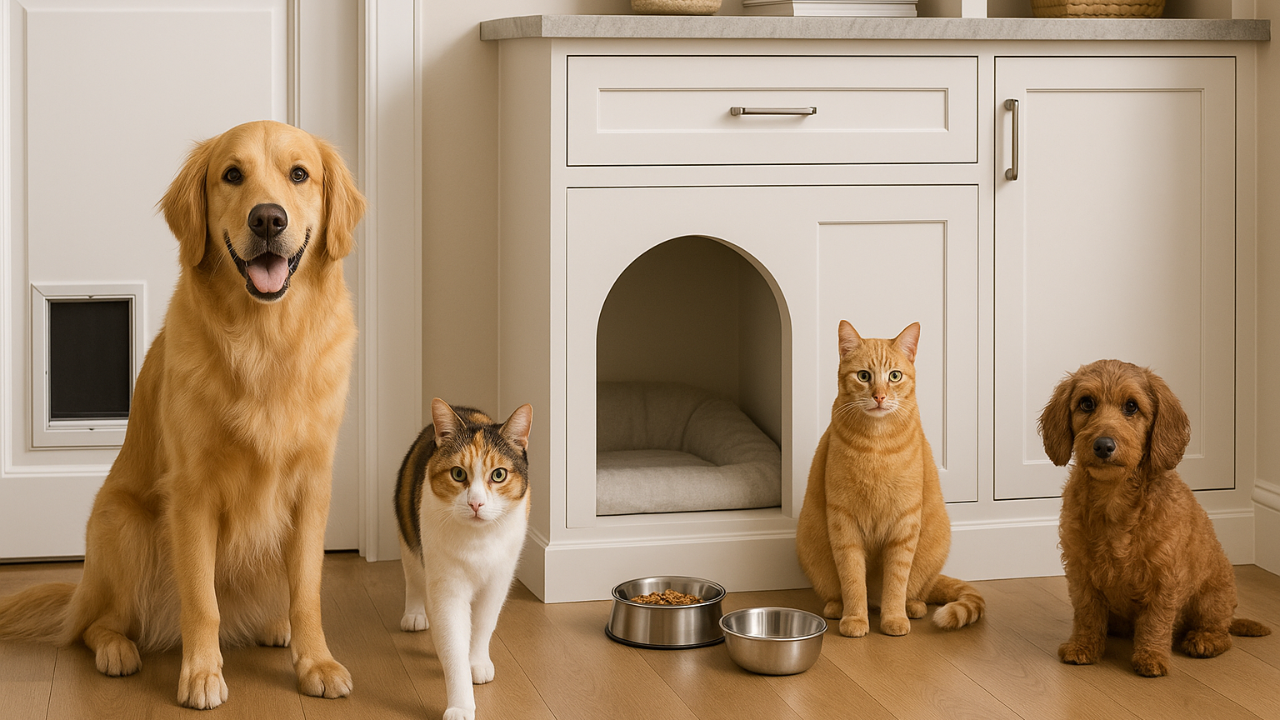 For many homeowners, pets are family, so it is natural to want a home that works for both humans and furry friends. The good news is that pet-friendly design does not have to compromise style or hurt resale value. In fact, many upgrades that make life easier for pets also appeal to future buyers.