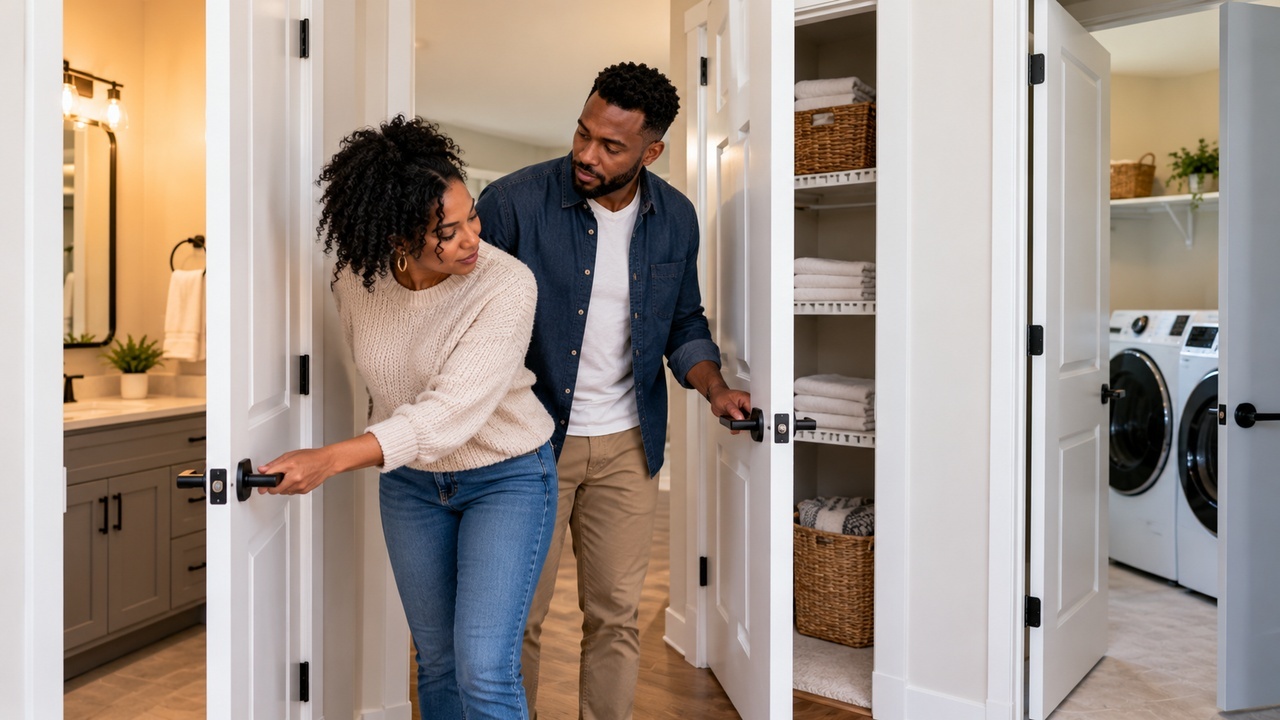
 Doors seem like one of the simplest parts of a house. They open, they close, and buyers rarely give them another thought. But when several doors occupy a small area, the way they swing can create awkward little conflicts that may not become obvious until after you move in.
Open the Doors Together
During a showing, look for areas where multiple doors are located close together. Bathrooms, closets, laundry rooms, pantries, garages, and small hallways are particularly useful places to check.
Open neighboring doors and see what happens.
Does the bathroom door block the linen closet? Does a bedroom door collide with a closet door? Does the door from the garage prevent someone from opening another nearby door?
These may be small issues, but they can affect how a space functions.
Check the Kitchen and Pantry
Kitchen doors deserve their own test. Open the pantry door and then imagine someone using the refrigerator, oven, or dishwasher. Does one block access to another?
Cabinet doors can create similar conflicts, especially in compact kitchens or around corners.
A kitchen can look spacious when everything is closed and feel very different when several things are being used.
Look at High-Traffic Areas
Door conflicts become more noticeable when several people are moving through the house.
Imagine a busy morning when bedroom, bathroom, and closet doors are opening repeatedly. Think about someone entering from the garage while another person is using the laundry room.
The question is not simply whether two doors touch. It is whether their placement creates an inconvenient bottleneck in an area you will use constantly.
Small Details Reveal How a Layout Works
Some door issues are easy to address. Others may simply require getting accustomed to how the home functions.
You are not searching for a house where every door is perfectly positioned. You are learning about the layout before you own it.
During your next serious home tour, open more than one door at a time.
It takes only a few minutes, costs nothing, and may reveal something that photographs and floor plans never showed you.
A home’s layout is not just about where the rooms are located. It is also about what happens when people actually start moving through them.
 Taking out the trash is probably not on your homebuying checklist. Yet it is one of those ordinary chores you may repeat hundreds of times after moving in. During a showing, take a moment to figure out where outdoor trash and recycling containers would be stored and how they would get from that location to the collection point.
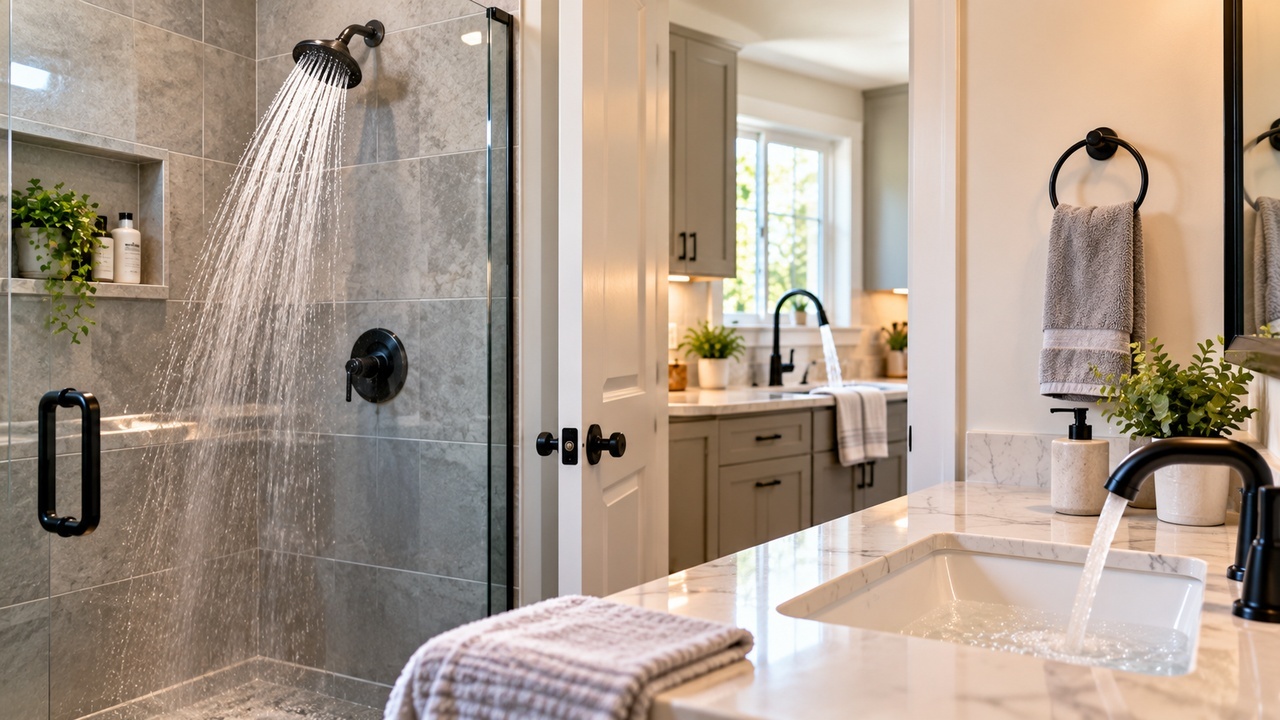 Most buyers know to turn on faucets during a home tour. They check whether water flows, glance underneath sinks, and may test the shower. But a home rarely operates with only one plumbing fixture running at a time. A more revealing question is what happens when water is being used in two places at once.
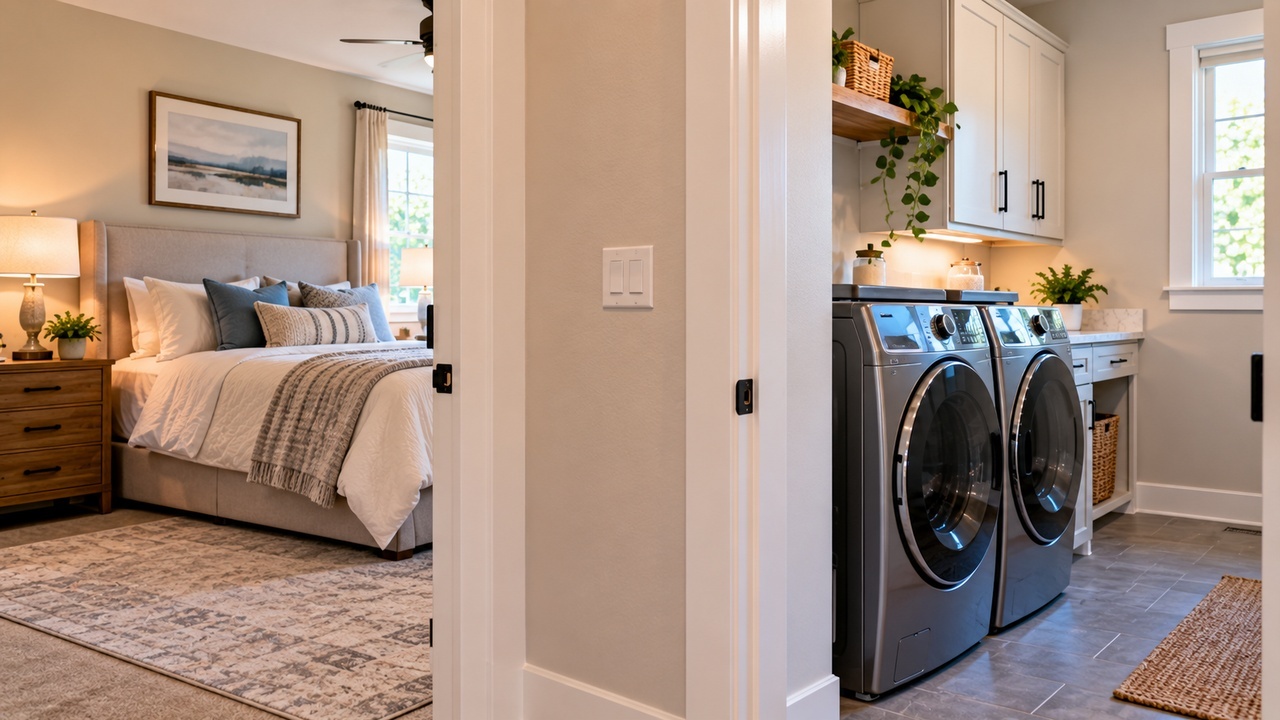 When buyers study a floor plan, they usually focus on where the rooms are located. Is the primary bedroom downstairs? Is the laundry room near the bedrooms? Is the kitchen open to the living area? There is another detail worth checking that may not be obvious during a showing: what is happening on the other side of each wall.
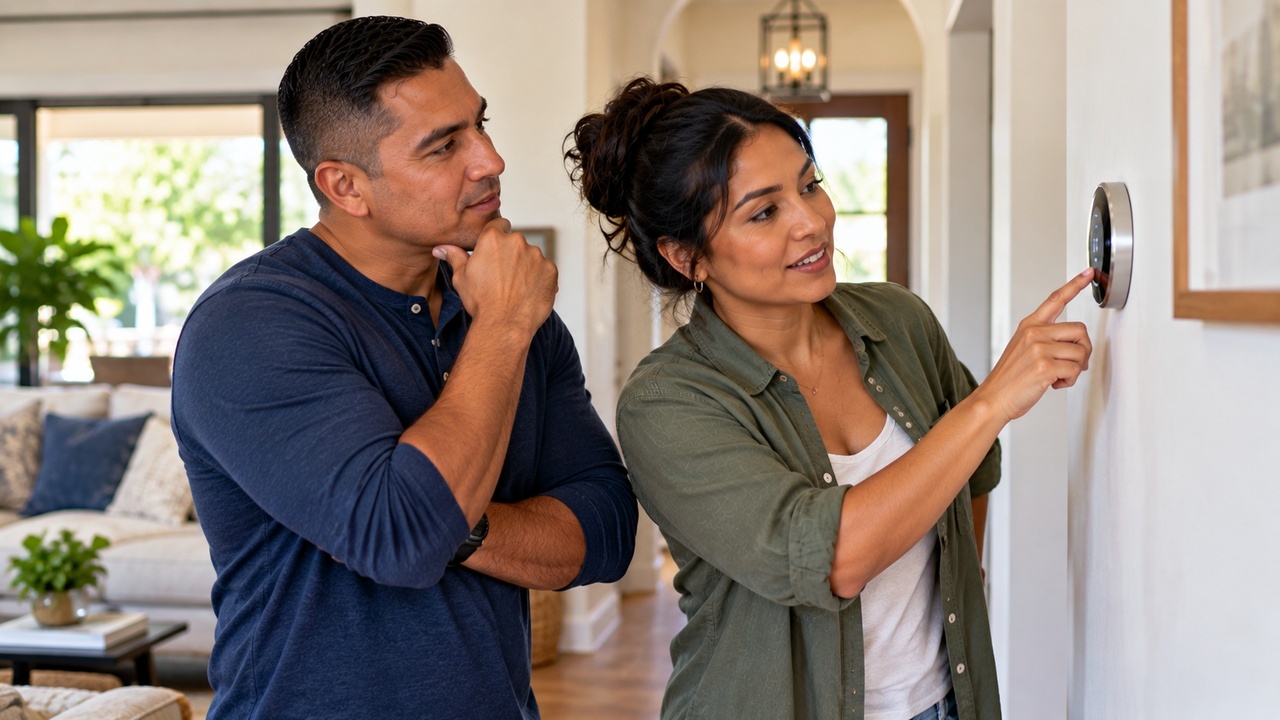 The thermostat is one of those household features buyers can walk past several times without giving it much thought. If the temperature feels comfortable during the showing, there may seem to be little reason to investigate further. But where a thermostat is located can influence what it senses about the temperature inside the home.