 There is a common misconception that someone who is self-employed will not have the tax records or income necessary to qualify for a mortgage; however, that is not necessarily the case. In reality, if you are self-employed, there are a lot of home loan options available to you. It is true that it might require some additional paperwork and planning, but as long as you have the necessary information, you should be able to qualify for a mortgage.
What Is Necessary To Qualify For A Self-Employed Mortgage Loan?
If you are interested in taking out a mortgage when you are self-employed, you will be held to the same standards as everyone else. This means that the lender is going to require a solid credit score, a long credit history, a favorable debt-to-income ratio, and enough money to cover the down payment. In addition, you will also have to demonstrate a solid income history, just like everybody else.
That is where the difference comes into play. A W-2 employee may be able to provide a few pay stubs, but someone who is self-employed may be required to provide up to two years of self-employment income.
How Do I Maximize My Chances Of Getting Approved?
If you are self-employed and want to maximize your chances of getting approved for a self-employed mortgage, there are a few steps you should take. First, you need to make sure your debt-to-income ratio is as low as possible. That way, you can reduce the risk to the lender. You can also improve your chances by preparing financial documents ahead of time. That might mean including profit and loss statements, two years of tax returns, and 2 years of business taxes if you have them. Do not forget that improving your credit score and putting more money down can improve your chances of getting approved.
Lengthen Your Income History
Finally, if you are serious about getting approved, lengthen your income history. Show that you are willing to provide a longer track record of income, and the bank will feel better about providing you with a self-employed mortgage loan. That way, you have the financing to purchase the house of your dreams.
 Whether you have recently graduated from college or are getting close to retirement, it’s likely that you have given some thought as to how you can grow your net worth. You might have invested in stocks, picked up a few bonds or have a 401(k) plan set up to help fund your retirement. But have you considered buying real estate as part of your portfolio?
 Are you planning on using a mortgage to help cover the cost of a new home? If so, you will want to prepare your finances and figure out how you will manage all those wallet-draining monthly expenses. Let’s take a look at how to run a quick financial health check to ensure you are ready to apply for a mortgage.
 Members of the military, their family members, and veterans have access to a unique mortgage option called a VA loan. This can be a strong option because it provides borrowers with an opportunity to purchase a house for less than 20 percent down. While not everyone is eligible for a VA loan, there are a lot of people who are wondering, are VA loans assumable? There are a few key points to keep in mind.
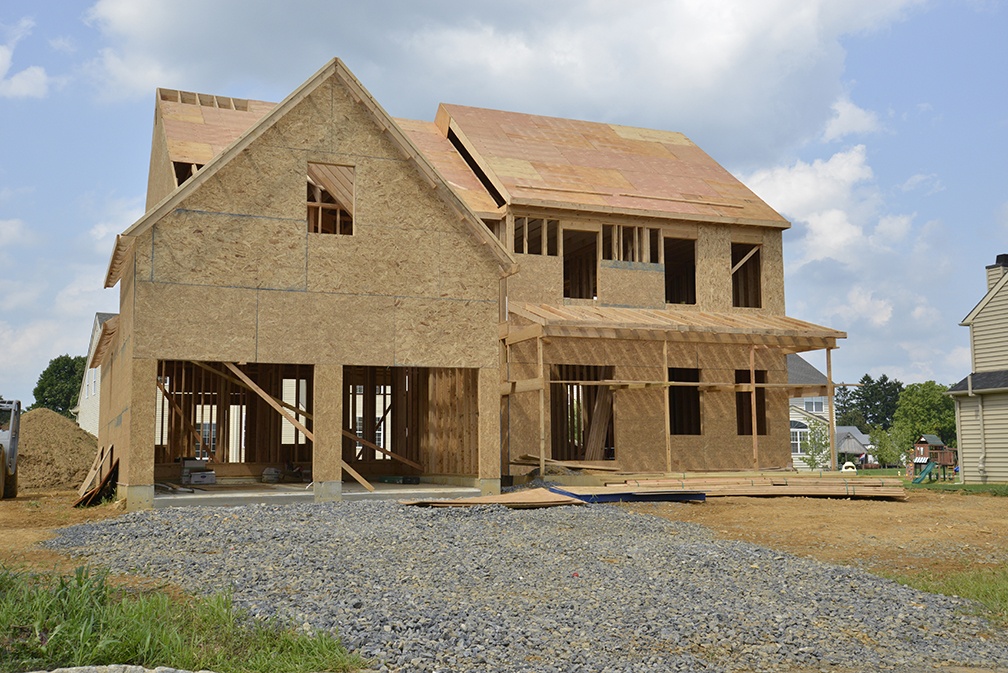 Are you in the market for a new house? If so, you might be thinking about building your own house. It can be exciting to go through the process of building a house, as you will be in control of just about everything. On the other hand, how much is it going to cost you to build a house? You need to make sure you have an estimate before you decide to move forward with your project.
  Are you interested in purchasing a rental property? Instead of buying a new one, you might want to convert your primary residence into a rental property, particularly if you plan on moving in the near future. At the same time, you might think it is better to sell the property and take the cash instead. Which option is best for you?