 It’s easy for buyers to fall in love with properties when they’re looking at polished hardwood floors, new appliances or renovated kitchens. During open houses and showings, glamorous features get all the attention. However, these dream homes right away can be dangerous.
Asbestos and electrical wiring are hard to get excited about, but ignoring them can be a financial disaster. Buyers risk serious costs and a huge amount of hassle if they don’t do their research.
It can be daunting for buyers to do their due diligence. There are many factors to take into consideration and they’re not always obvious. Being fully prepared before putting down an offer can be difficult, even for the most experienced buyers.
This list of the four most common problems home sellers may try to hide will guide buyers every step of the way, from pictures to purchase.
1. Risk of Water Damage
Water damage can be one of the most expensive issues homes can have. It’s also easy to ignore when they’re especially beautiful or unique.
Homeowners may also be tempted to conceal past, present and future problems, particularly if they’re looking to maximize the price of their homes or make a fast sale. Buyers will benefit when they watch for water damage when looking to make a purchase.
2. Rotting Wood
Rotting or otherwise damaged wood is also relatively simple to forget about, but can lead to thousands of dollars in repairs. Poor drainage, termites and other factors are all factors that should be considered.
Whether it’s the deck or the floor, buyers need to be mindful of the status of wood components in homes.
3. Damaged or Outdated Roof
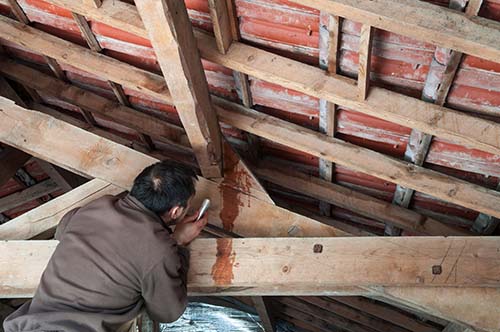
Roofs aren’t the first things buyers notice, but they’re crucial parts of every home. Damaged or outdated roofs can cause considerable personal and financial stress.
Buyers need to keep important features that are out of sight like roofs top of mind when they’re looking to put down an offer.
4. Codes and Other Regulations
Going through confusing building codes and other types of regulations can be a confusing task. Though it can be very time consuming, buyers can save themselves significant hassle and costs by being familiar with them. Consult your real estate professional for more information about how you can make an informed purchase today.
 Delving into the real estate market for the first time can be a very intimidating thing with all of the mortgage and housing options available. Whether it’s market conditions or the amount you should be spending, there are a number of factors you’ll need to be aware of. If you’re just starting out and not sure where to begin, here are some points to consider that will set you on the right path.
 You may not see the connection right away, but buying a home and planning a wedding are two experiences that require certain skills and challenge you in similar ways. Check out the three key similarities below!
 If you want to sell your home quickly — and for the most profit — you can’t just list it and cross your fingers. Successful sales are well-planned sales, and there are several ways in which you can make sure your own home sale turns out as you’d like it to.
 Are you in the market to buy or sell a home? If so, you may be wondering whether to work with a real estate agent or not. While saving on the commission might sound tempting, it can cost you later.
 Deciding to purchase a home will be one of the biggest investment decisions you’ll make in your life, but it can be confusing for the first-time home buyer to know all the ins and outs of buying a home. If you’re wondering what things first-time buyers often forget about before purchasing a home, here are three important things that you’ll want to keep in mind.