 It can be a stressful experience to put your home on the market and wait for offers in the hope that you’ve priced it right. However, for those who are considering selling to family members, the sale of a home can be fraught with just as much stress before and after sealing the deal. If you’re wondering if it’s a good idea to sell to a family member, here are some things to consider beforehand.
Providing A Discount
Whether you’re selling to a sibling or a child, you may be considering offering the home at a discount to help them out. Fortunately, since the discounted value will be different than the market value of the price, this may mean a taxable gain when it comes time for them to sell the property after a few years of residing in it. On the other hand, if your financial health is not the best, selling at a lower price to a family member can create an undue financial burden for you.
An Owner-Financed Sale
If you’re trying to help your child get on their feet, the option exists for an owner-financed sale where your child will be making monthly payments to you. This provides the benefit of not having to worry about a lender and avoiding interest rates on top of the payment. While this can be a great feeling as a parent to be able to help your child, it’s important to weigh the decision carefully to determine that your child will not default on the loan and it won’t be tiresome for you to act as the lender.
Keeping It In The Family
For most people, the home they live in has sentimental value, whether they’ve lived there for a few years or it’s been in the family for generations. That’s why it can be a great comfort for many to sell to a family member who will understand the house’s history and the family traditions. If the deal is going to put a strain on relationships, though, it may not be worth the well-being of the family to keep the home among the relatives.
It can be a comfort to sell a home to a family member and secure their well-being, but there can be financial hurdles involved that can have an adverse impact on the relationship. If you’re currently considering selling to a family member, contact your local real estate professional for more information.
 When investing in a home, one of the most important things is buying a place that you and your family can feel comfortable in. However, while a place you can envision yourself in is important, it’s not worth neglecting the neighborhood you’ll be moving into for the perfect home. If you’re wondering what you should be looking for in the neighborhood you choose, here are a few things to consider before making an offer on a home.
 There’s often so much enthusiasm that goes along with buying a home that the idea of leaving the old one behind is left in the dust. But, while you may love both your old home and your new home, it can be difficult to leave what’s old behind. If you’re struggling with adjusting to your new dwelling place, here are some tips for how to make it feel like it’s where you belong.
 With the popularity of living in high style, many people are considering life along the golf course as a way to get in the game and dwell in a picturesque place. While there are many benefits to this kind of living, there are also a number of drawbacks to consider before investing. If you’re wondering whether or not a home on the green is a possibility for you, here are some things you’ll want to consider before making the big purchase.
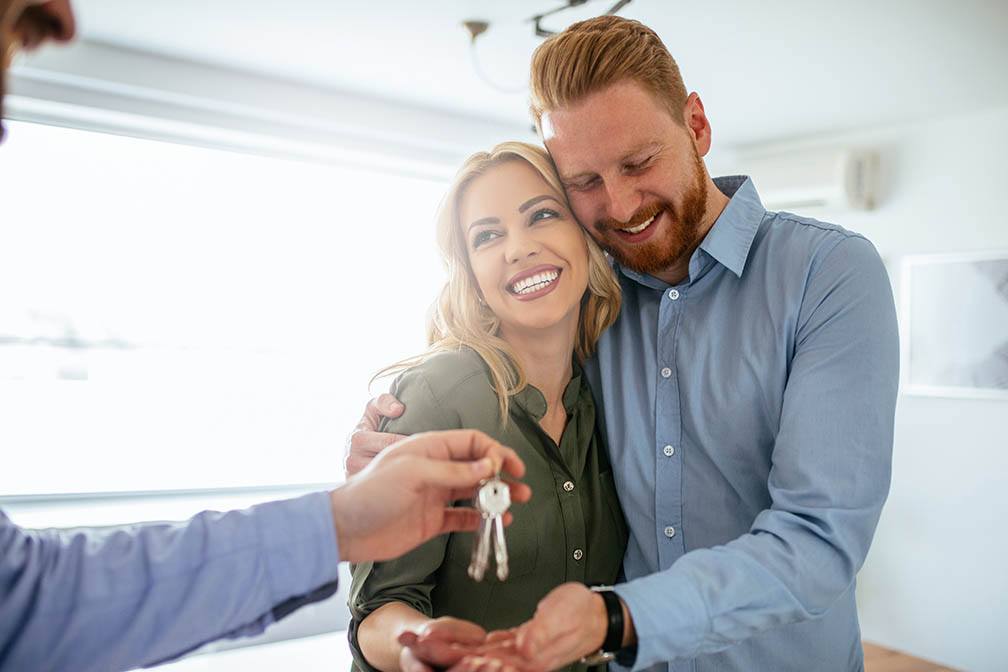 Without a doubt, it can be both overwhelming and exciting to find your dream home and be able to put the money down for it. However, there are a lot of things to know before signing on the dotted line so you can avoid buyer’s remorse. Instead of going it alone, here are a few tips to keep in mind before you decide to commit to your new home.
 With low interest rates and uncertainty as to where the real estate market will be in the next six months, many people are opting into ownership and investing in a home. Interestingly, according to the National Association of Realtors, approximately 17 percent of homebuyers in the United States last year were women, which is a much higher percentage than the 7 percent of single men who invested in a home. While the statistics may be interesting enough on their own, here are some of the reasons why women may be opting in.