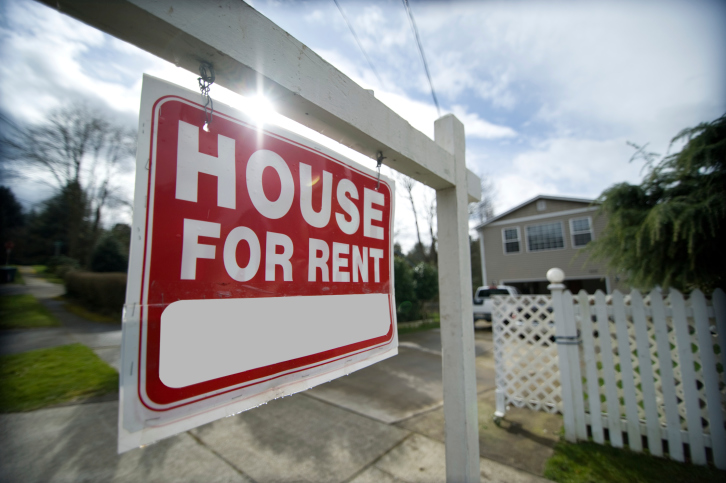
 Taking an extended vacation can seem like a dream come true. You may have plans to spend your summer in Europe, your winter in the Caribbean or even a full year or longer exploring a different region. If you have the luxury of taking an extended vacation, you may have your sights set on adventure and relaxation.
However, you also need to consider the practicality of leaving behind your home and belongings for an extended period of time. A great idea is to take on a long-term tenant for your home, and there are a number of benefits that you can enjoy by doing this.
Generate Income From Your Home
When you lease your home to a long-term tenant, you will be able to generate a monthly income from the property. This can be used to pay for your mortgage, property insurance and other related expenses while you are gone. Essentially, it can make it more affordable for you to take your trip for an extended period of time.
Decrease Your Maintenance Expenses
When you are away from your home, you may still have maintenance and upkeep chores to do. When you are home, for example, you may easily be able to water your lawn and mow the grass on your own. You may deal with a leaky pipe before it becomes problematic and causes considerable damage to the home. When you are gone, you may need to pay for a lawn service, and you have nobody to watch over the interior of the home. However, when you lease your home to a tenant, the tenant may be responsible for caring for the yard. In addition, he or she can alert you to issues that develop inside the home.
Someone to Keep an Eye on Your Property
When a home appears to be vacant, it is more likely to be vandalized or burglarized. A tenant will give your home an occupied look and will decrease the risk of criminal activity. In addition, the tenant may change your air filters, replace batteries in the smoke detectors and take other steps to keep the home in great condition for you while you are gone. You can specify your requirements in the lease.
If you are planning an extended vacation and you are looking for a convenient way to ensure that your home is taken care of while you are gone, consider the benefits of taking on a long term tenant. You can speak with a real estate agent to learn more about the market rental rate for your home.
 Are you ready to sell your home? Whether you’re just starting to make your plans or you’re ready to list now, you likely want to know how you can get top dollar. It’s going to take more than just throwing up a high price on the listing and waiting for a buyer to show up with a check. With that in mind, here are three secrets to ensuring that when you sell your house or condo, you get the best possible price.
 You may not see the connection right away, but buying a home and planning a wedding are two experiences that require certain skills and challenge you in similar ways. Check out the three key similarities below!
 Many people dream of buying their ideal retirement home after their career has come to a conclusion – with all that extra free time it seems like it’d be the most logical time to shop around.
 If you have recently purchased a home, you are probably excited to move into your new house; however, the moving process can be stressful. There are a few important tips you need to keep in mind if you are moving soon. Make sure to plan ahead, as there are several ways to save time and money.
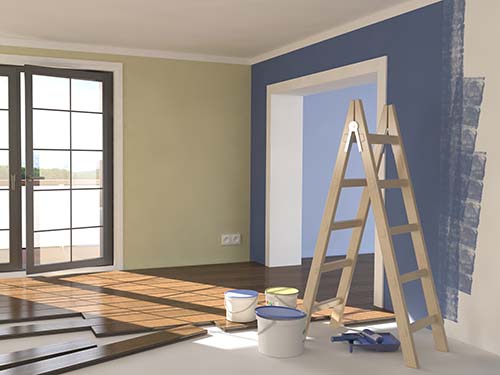 It is not exactly a secret that inflation is a significant issue. With inflation continuing to increase the cost of living all over the world, there are many people who are looking for ways to save money. Home improvement and renovation projects have been popular during the past few years, but many homeowners are starting to put them on hold because of how expensive everything has gotten. What are some of the ways you can save money on your home repair and renovation costs?