
Sunrise Homes & Renovations, Inc.

  • Home
  • About
    • About Us
    • Recognition
      • Disaster Contractors Network
      • US EPA Certified
    • Accessibility Statement
  • Example Models
  • Renovations
  • Resources
    • First Time Home Buyer Tips
    • First Time Home Seller Tips
  • Blog
  • Contact

How To Deal With An Appraisal Gap

February 17, 2022 by Rhonda Costa

	Three Tips To Get The Best Financing On Your Second Home PurchaseThe vast majority of people will need to go through a mortgage lender when purchasing a home. One of the last steps in the purchase process is the home appraisal. The lender wants to make sure they are not lending more money than the house is worth. If the appraisal value comes in above what the buyer is paying, then the buyer is happy because they might be getting a great deal. On the other hand, if the appraisal comes in below what the buyer is paying, this can be frustrating. What is the appraisal gap, and how does it work? 

Buyers Might Be Asked To Bring More Cash Or Pay PMI

In many situations, buyers will be asked to pay PMI if they are not putting 20 percent down. For example, if someone is buying a $250,000 house, they might be asked to put down $50,000 to avoid dealing with PMI.

Ultimately, if the lender is financing more than 80 percent of the loan’s value, PMI might be required. In the example above, if the house only appraises for $200,000, then the lender will only finance $160,000 before asking for PMI. Therefore, to get the lender down to $160,000, the buyer would have to bring another $40,000 to the closing table (for a total of $90,000 down) to avoid paying PMI. 

If the buyer is not willing to pay PMI or close the gap, the sale could fall through, leading to other ramifications.

Get An Accurate Valuation Before Making An Offer On A House

If there is an appraisal gap, it can be frustrating for a buyer who is asked to bring more cash to the table. Furthermore, if the sale falls through, the buyer could lose his or her earnest money. Depending on the market, earnest money could be tens of thousands of dollars. That is why it is important to get an accurate valuation of the house before making an offer. No matter how beautiful the house might seem, it is important not to overpay, as it increases the chances of dealing with an appraisal gap. If there is an appraisal gap, buyers need to carefully evaluate their options before they decide how to proceed. 
 

Filed Under: Real Estate Tagged With: Appraisal, Mortgage, Valuation

Increase Your Home’s Value By Handling Minor Repairs

February 15, 2022 by Rhonda Costa

Increase Your Home's Value By Handling Minor RepairsA house is an investment, and it is important to treat it as such. Homeowners must capitalize on the value of their homes when they go to sell them. One of the best ways to do so is to handle minor repairs before listing the house. Minor repairs do not take that long, so homeowners don’t have to worry about delaying their timeline. Furthermore, they are not that expensive to fix, but they can have a significant impact on the value of the home. Why is this the case?
Repair Broken Items in Rooms

Even though broken items in certain rooms might not be a big deal, they can send the wrong message to a prospective buyer. For example, if there is a door that doesn’t latch well, try to repair it. If there is a drawer that doesn’t close properly, fix this issue. If homeowners see that there are no broken items, they will immediately realize the house has been well taken care of.

Ger Rid of Annoying Noises 

Annoying noises can be incredibly distracting as someone walks through a house in which they might be interested. If there are creaky stairs, try to figure out where this is coming from. If the ceiling fan rattles, try to tighten it. Annoying noises can detract from the value of the house by distracting potential buyers. 

Fix Any Leaks in the Home

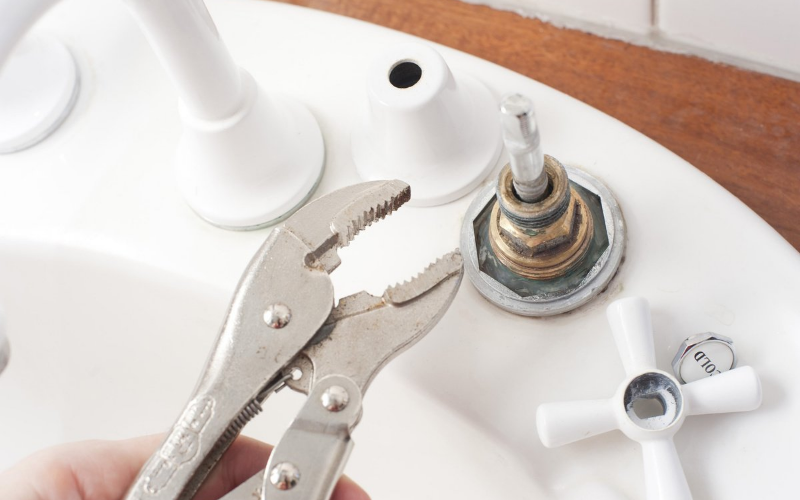
Small drips and leagues can have a significant impact on the value of a home. If someone believes they are a sign of bigger plumbing issues, they might not make an offer. Inspect all faucets, toilets, and outdoor spigots to make sure they work properly. If anything is dripping, try to fix it before listing the house. 

Maximize the Home’s Value

Ultimately, the biggest reason why minor repairs can make a big difference is that they can drive up the amount of money someone is willing to pay for a home. A lot of people steer away from houses that require repairs because they don’t know if something more serious is lurking underneath. When homeowners address minor repairs, they increase their chances of making a positive first impression on a buyer. This can make the difference between someone walking away and someone making an offer. 


Filed Under: Mortgage Tagged With: DIY, Home Maintenance, Mortgage

Buying Property As-Is: How To Protect Yourself Accordingly

October 12, 2021 by Rhonda Costa

Buying Property As-Is: How To Protect Yourself AccordinglyIf you are looking for a home, your agent may tell you that a home is being sold as-is. This means that there may be major defects with the home that the seller is not willing to repair before offloading the property. As a result, their problems may become your problems if you purchase that property. How can you protect yourself during the sale?
Look At All Disclosures

Even though disclosure laws can vary significantly from state to state, the homeowner may be required to disclose certain problems to you. Real estate agents should always point out disclosures from sellers, so take a look at what the seller is sharing with you. Examples could include problems with the roof, lead paint, or natural hazards such as flood zones or fire zones. 

Add An Inspection Contingency

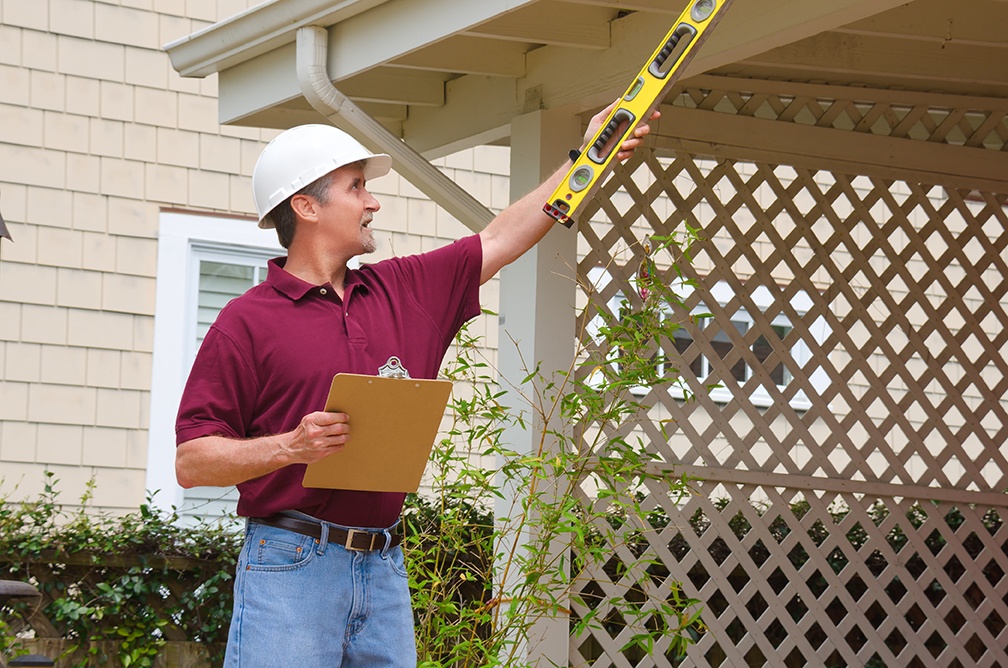
You should always get an inspection before you purchase the home so you know what defects might be present. If you purchase a home and do not get an inspection, you might be surprised by certain defects when you move in.

Furthermore, you should add an inspection contingency to the home. This means that you have the opportunity to negotiate for certain issues to be resolved if they are found on inspection. Or, you pay a lower price for the home if the seller is unwilling to resolve them.

Ask For Help From A Lawyer

If there are major defects in the home, and if the seller is refusing to budge, you may want to reach out to a real estate attorney. This is helpful for learning more about the real estate laws in your state. You need to protect your rights, figure out how you can get the defects fixed, and how you can save money on the price of the home. Your real estate agent might be able to refer you to a real estate attorney. 

Negotiate A Lower Price

Ultimately, the best way for you to protect yourself is to negotiate a lower price. Because you will have to spend a lot of money repairing the home, the seller should be prepared to reduce his or her asking price. In a seller’s market, you may not have that opportunity, but you may want to ask for a discount. 


Filed Under: Real Estate Tagged With: Disclosures, Inspections, Mortgage

A Review Of Government Vs Conventional Mortgages

July 21, 2021 by Rhonda Costa

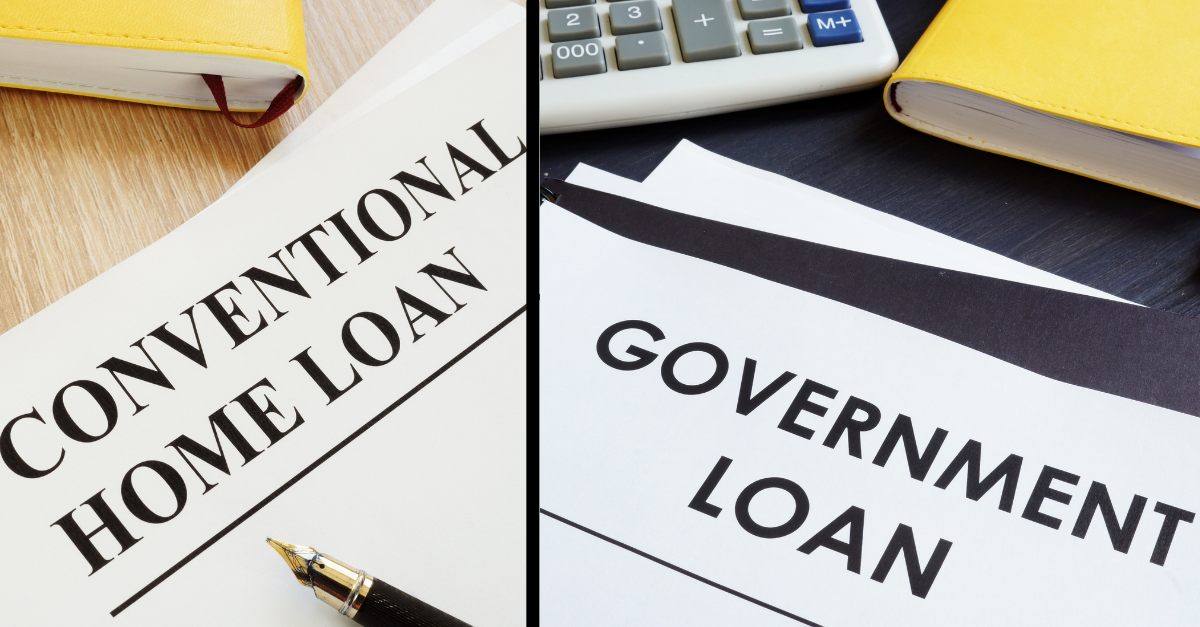
A Review Of Government Vs Conventional MortgagesThere are two broad categories of mortgages. The first is government mortgages, which include USDA, FHA, and VA loans. These loans are backed and insured by the United States government. The other category is conventional mortgages. These are mortgages that are insured by private lenders, such as banks and credit unions. What are the differences between these two loan options?
Government Mortgages

The qualifications for government mortgages are usually more lenient than conventional loans. For example, FHA mortgages are usually backed by the Federal Housing Administration. FHA loans could be a smart option for borrowers who might not be able to make a large down payment or who are taking out a loan for the first time. In addition, borrowers with higher debt to income ratios and lower credit scores might also be able to qualify for an FHA loan. While it is possible to qualify for an FHA loan with a lower down payment mortgage insurance might still be required.

Another government mortgage is a VA mortgage. This is a mortgage that is insured by the United States government that is available to members of the military. In order to qualify for a VA loan, a Certificate of Eligibility (COE) is required. While VA loans do not charge mortgage insurance, an upfront funding fee could be charged if certain requirements are not met.

Conventional Mortgages

Conventional mortgages refer to home loans that are created and financed by unions, banks, credit unions, and other lenders not associated with the United States government. When compared to government loans, they usually have stricter guidelines. Borrowers seeking a conventional mortgage usually must have a higher credit score, a larger down payment, and a lower debt to income ratio. If borrowers are not able to put 20 percent down, they might be charged private mortgage insurance (PMI); however, some borrowers might be able to negotiate lender-insured PMI if they are willing to accept a higher interest rate.

Speak To A Loan Officer

The right loan for one person might not be the right loan for someone else. Everyone should speak to a loan officer to figure out which type of home loan is right for them. That way, everyone can negotiate favorable terms on a home loan.

Filed Under: Real Estate Tagged With: Conventional Mortgages, Government Mortgages, Mortgage

Top 8 Things New Homeowners Need

May 21, 2021 by Rhonda Costa

Top 8 Things New Homeowners NeedMoving into your first home is an exciting experience, but it can also be overwhelming. To manage the move properly, you need a wide variety of tools you may never have considered before. You may not realize you should have purchased a certain item until you need it. 

To prepare for the move into your new home, make sure you have all of the items listed below. 

Storage For Documents

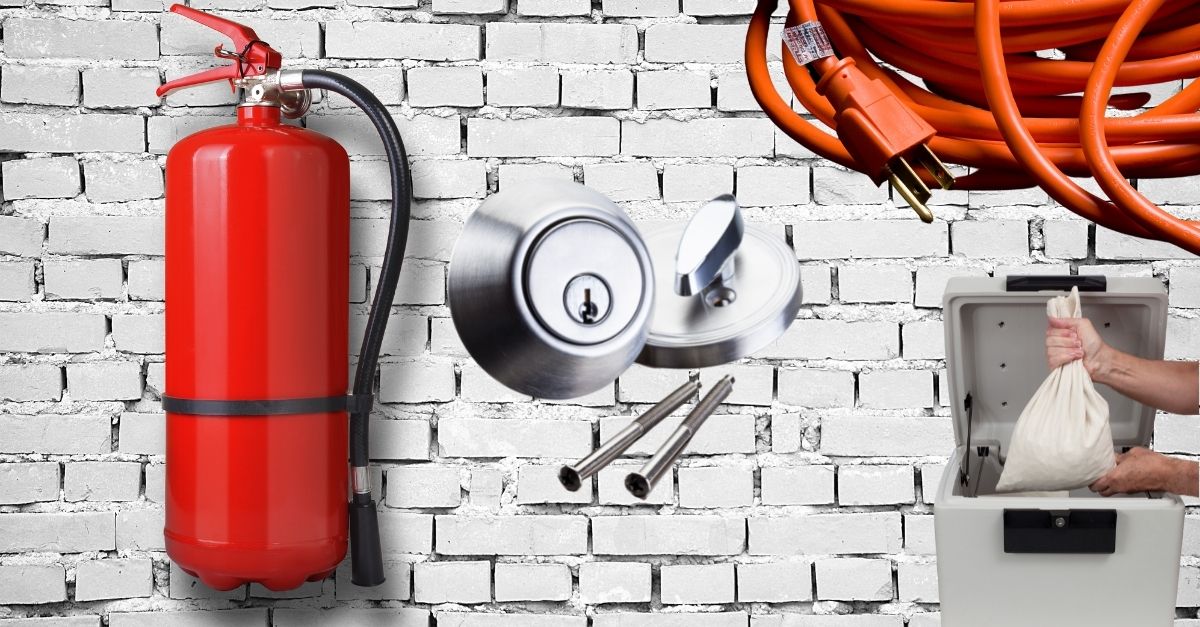
As a homeowner, you will need to keep and organize a variety of documents, including receipts, warranties and even your mortgage papers. Consider buying a fireproof box or cabinet to store these items.

Fire Extinguisher

Every homeowner should have at least one fire extinguisher on hand. Make sure your fire extinguisher is stored in a location that can be accessed easily in the event of a fire. 

Extension Cords

Extension cords can be useful in a variety of situations, from plugging in appliances that are too far from an outlet to decorating your home for the holidays. Be sure to buy multiple cords in different lengths so you can use them for different purposes. 

Smoke Alarms

If your home is not already equipped with working smoke alarms, you need to purchase and install them as soon as possible. Be sure that you check your alarms every four months and change the batteries as needed. 

Cleaning Supplies

Another important purchase for every new homeowner is cleaning supplies. While some of these supplies may be used on a daily basis, others may be used less frequently. Nonetheless, it is a smart idea to have all of these items on hand. Examples of cleaning supplies you may need include window cleaner, toilet brushes, brooms, mops, sponges and paper towels. If you have carpet in your new home, you may need to buy a vacuum cleaner as well.

A Basic Tool Kit

Every new homeowner will need some basic tools. Purchasing these tools in advance will make both small and large tasks easier. Be sure your toolkit includes a utility knife, flashlight, measuring tape, screwdrivers, wrenches and hammers. Having some different kinds of tape on hand is also a wise idea. 

Exterior Door Locks

When moving into a new home, it is always a good idea to change the locks. Although the previous owner is asked to turn over all the keys to the home, it is impossible to know whether other keys exist. Buying your own door locks will protect against break-ins and give you peace of mind. 

Lawn Equipment

If you will be responsible for maintaining your own lawn and landscaping, you will need to invest in the proper lawn maintenance equipment. Examples of items you may need include snow shovels, sprinklers, rakes, shears, shovels and water hoses. You may also need a lawnmower. 

You may still need to make additional purchases after you have everything on this list. However, this list covers many of the basic things you will need to begin life successfully in your new home. 

Filed Under: Real Estate Tagged With: Mortgage, Moving Tips, Smoke Alarm

How to Become a Homeowner: First Time Home Buyer Guide

May 14, 2021 by Rhonda Costa

How to Become a Homeowner: First Time Home Buyer GuideBecoming a homeowner for the first time is exciting. However, for many potential buyers, the process can also be confusing. Below is an overview of the steps you need to complete in order to buy your first home. 

Work Out The Finances

The first step in buying a home is deciding on a price range. This price range will be determined by your income, as well as your own comfort level with home prices and monthly payments. Consider all of these factors to determine the maximum amount you are willing to spend on your new home. 

In most cases, you will be required to pay the downpayment and closing costs upfront, even if you are financing the rest of the home’s purchase price.

In general, most lenders will expect a downpayment equal to 20 percent of the home’s purchase price. Otherwise, you may be required to pay mortgage insurance. Before buying a home, set enough money aside to cover these expenses. 

For most homeowners, the next step in the home buying process involves looking into different mortgage options. Unless you have enough money to purchase your home for cash, you will need a mortgage. Be sure to compare quotes from different lenders before making a choice to be sure you are getting the best deal.

Once you have chosen a lender and a specific type of mortgage, ask for a preapproval letter that you can attach to any offers you make so that you will be a more reliable and attractive buyer. 

Hire An Agent 

When searching for the perfect first home, hiring a real estate agent to represent you throughout the process is highly recommended. Your real estate agent will act as a buyer’s agent, which means they will have your best interests at heart. When you don’t have a buyer’s agent, you will be dealing only with the seller’s real estate agent instead. Because this individual has been hired to represent the seller, they will always put the seller’s needs above yours. 

Find The Right Home

Once you have a qualified agent to represent you and a preapproval letter from your lender, it is time to start looking for your new home! Your real estate agent will help you comb through listings and choose the properties you want to see. Next, you will walk through each home until you find the one that is right for you. After you have chosen a home, your real estate agent will help you prepare and submit an offer to the seller. 

The process of buying your first home may seem overwhelming at first. However, by following these steps, you can simplify the process and become a homeowner with ease. 

Filed Under: Real Estate Tips Tagged With: Finance, First Time Buyers, Mortgage

  • « Previous Page
  • 1
  • 2
  • 3
  • 4
  • 5
  • 6
  • …
  • 33
  • Next Page »

Rhonda & Steve Costa

Rhonda & Steve Costa

Call (352) 398-6790
Sunrise Homes & Renovations, Inc.

Contractors License #CBC 1254207

Let’s Keep In Touch!

  • This field is for validation purposes and should be left unchanged.

Connect With Us on Social Media

Categories

Looking For Something?

Our Location


Spring Hill, FL 34608

Equal Housing Opp

Return to top of page

Copyright © 2026 Sunrise Homes & Renovations, Inc.. All rights reserved.   Log In