 Going solar can make life sunnier for some homeowners. In addition to reducing energy dependence by “borrowing” energy directly from the sun, purchasers may also enjoy a 30 percent federal Solar Investment Tax Credit and other incentives, according to SEIA.
Solar roofing can boost a home’s equity in some cases, while making it more attractive to future buyers in sun-drenched parts of the country. Best of all, financing that solar roof may be a more attainable goal than homeowners think.
Leasing vs. Owning
Perhaps the first question a green-minded homeowner should consider is whether to own solar roofing or lease it. Leasing solar panels from a third-party provider bypasses the need to take out a traditional loan or purchase a solar roof with cash.
Energy.gov notes that PPAs (Power Purchase Agreements) allow homeowners to pay fixed monthly payments based on the amount of energy the roof will likely generate over the period of the lease. But it’s worth noting that leasing also bypasses the tax credits and other financial benefits and incentives of ownership.
The Traditional Loan Route
Traditional loans can finance solar roofs just as they can other major home renovations or improvements. For homeowners who already own their homes outright, this approach offers a simple, cost-effective way to enhance the property. Other homeowners may want to look into the Department of Energy’s Residential PACE (Property Assessed Clean energy) loans aimed at promoting energy-efficient modifications.
Those who seek to take out a mortgage on a solar-roofed home, however, should watch out for the proverbial fine print. For instance, PACE loans trump mortgage loans, so having a PACE loan in place can make getting that mortgage loan impossible.
Fannie Mae’s HomeStyle Energy Mortgage
The HomeStyle Energy Mortgage from Fannie Mae offers an attractive alternative to traditional loans, according to the Washington Post. This product includes the solar roof (or other energy-efficient modification) within the overall mortgage loan.
A HomeStyle Energy Mortgage factors in the anticipated energy savings offered by the modification in figuring the loan terms. It also lets borrowers take out larger amounts that they might receive through traditional mortgages — up to 15 percent of the home’s “as-completed” appraisal value.
Some smart financing strategies can turn the objective of owning a solar roof from an out-of-reach dream into a practical reality. A skilled real estate expert can help homeowners weigh all the available options and come up with a sensible plan that suits their needs.
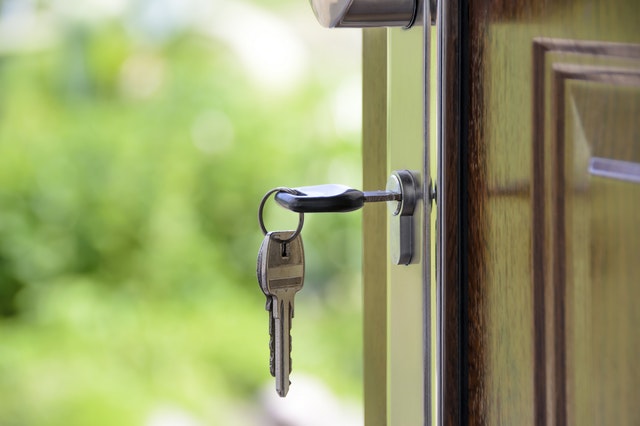 Buying a home is an exciting and exhilarating time. Between the time your offer is accepted, and when you finally have keys in hand and you are ready to step into your new home, it can be stressful. The escrow period, also known as the closing, can take the most easygoing home buyer to the brink of insanity.
 According to the 2017 Home Buyer and Seller Generational Trends Report, Millennials bought 34% of the homes sold; the largest of any generation last year.
  One of the challenges you will face when deciding how much money to put down on your new home is whether to put down a larger down payment or to take a bit of money from your down payment and use it to buy “discount points” to lower your interest rate.
 Mortgage lenders weigh the risk of getting their principal and interest paid back by looking at the qualities of the prospective borrrower. And due to the amount of money being requested and lent to purchase homes, those requirements can become daunting. Working with a trusted and qualified mortgage professional makes this sometimes confusing process a little clearer.
 US homeowners now have over 5 trillion dollars in home equity which is a very large amount of money! So this year may be the year for a lot of cash out refinances and other home equity mortgage products. Most often, when you are purchasing a home, you are buying at or below the appraised value and you are making a down payment.