Sunrise Homes & Renovations, Inc.

  • Home
  • About
    • About Us
    • Recognition
      • Disaster Contractors Network
      • US EPA Certified
    • Accessibility Statement
  • Example Models
  • Renovations
  • Resources
    • First Time Home Buyer Tips
    • First Time Home Seller Tips
  • Blog
  • Contact

What Peeling Paint and Sticky Doors May Be Telling You

January 29, 2026 by Rhonda Costa

When you walk through a home, the little details can reveal more than you might expect. Peeling paint and sticky doors may look like small cosmetic issues, but they can signal deeper problems that should not be ignored. As real estate professionals, we encourage buyers to pay close attention to these signs during showings and inspections. Understanding what these issues may be telling you helps protect your investment and gives you a clearer picture of the home’s true condition.

Peeling Paint May Signal Moisture Issues
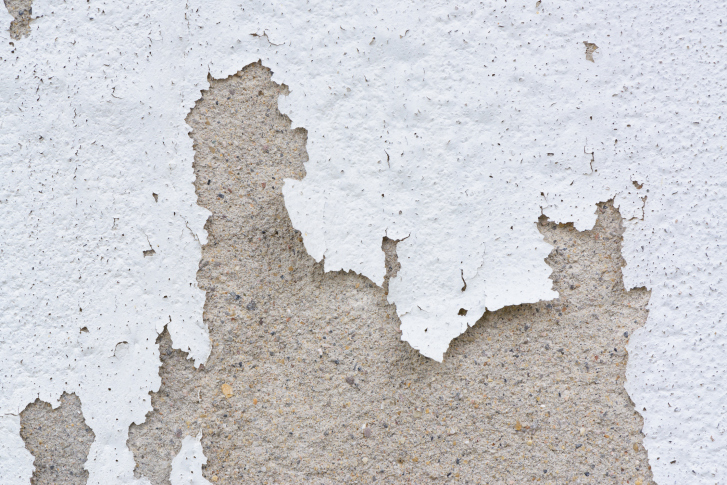
Peeling or bubbling paint is often caused by moisture trapped behind the surface. While it can happen from humidity or improper paint application, it is sometimes a sign of water leaks, plumbing problems, or poor ventilation. Pay close attention to peeling paint in bathrooms, kitchens, basements, or near windows. Moisture-related paint damage should always be evaluated carefully because it can indicate mold, wood rot, or hidden water intrusion.

Sticky Doors May Indicate Foundation Shifts
Doors that stick, drag on the floor, or do not close properly might seem like minor annoyances, but they can indicate foundation settlement. Homes naturally shift over time, but excessive movement can affect doorframes, windows, and flooring. Sticky doors on multiple levels of the home or paired with visible cracks in walls can be signs of structural changes. A professional inspection can determine whether the issue is normal settling or a more serious problem.

Peeling Paint Near Windows May Point to Drafts or Aging Materials
If paint is peeling near window frames or sills, it can indicate drafts or wood deterioration. Older windows may allow moisture to seep in, which causes paint to separate. This can lead to reduced energy efficiency, higher utility bills, and potential long-term damage. Buyers should check whether the windows need repair or replacement. Updated, energy-efficient windows add value and prevent future maintenance issues.

Sticky Interior Doors Could Signal High Humidity
Not all sticky doors are related to foundation issues. In some cases, they are caused by interior humidity levels, especially in homes without proper ventilation or inconsistent climate control. Wood expands when exposed to moisture, which can make doors swell and stick. While this issue is less serious, it can still indicate the need for better ventilation or HVAC adjustments.

Use These Clues to Ask the Right Questions
Every home has quirks, but peeling paint and sticky doors are clues worth investigating. Bring these concerns to your real estate professional and home inspector. They can help you determine whether the issue is cosmetic, easily fixable, or a sign of something larger. Asking the right questions early helps you make an informed, confident decision and avoid unexpected repair costs.

Small details can reveal big insights. By paying attention to peeling paint, sticky doors, and other subtle signs, you can better understand a homeís condition and choose a property that supports your safety, comfort, and long-term value.

Filed Under: Homeowner Tips Tagged With: Home Inspections, Home Owner Tips, House Hunting

How to Discuss Repairs or Defects with a Seller

May 16, 2024 by Rhonda Costa

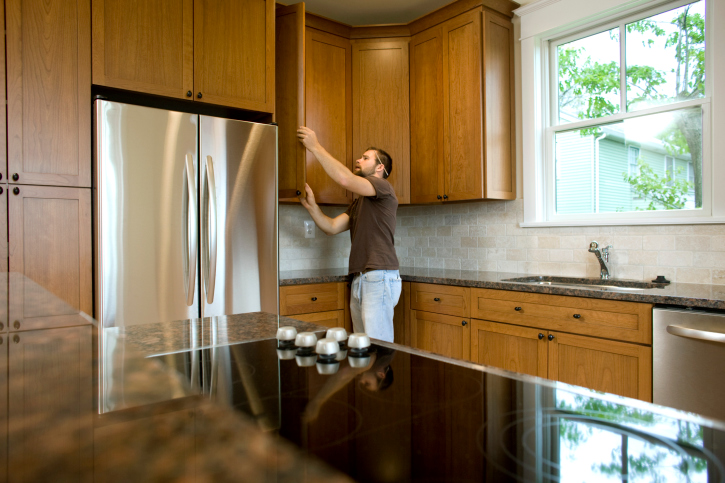
Find Something Wrong During a Home Inspection? How to Discuss Repairs or Defects with a SellerWhen it comes to selling a home, it is a common belief that once the offer is accepted, there is nothing else to be negotiated. However, issues and obstacles that can arise during the home inspection can be a cause for discussion with the seller. Whether you’re currently searching for houses or your offer has already been accepted and you’re preparing for the next step, here are some tips in the event that the home inspection isn’t up to par.
Be Cautious About What You Say

Without a doubt, anything that you discuss with the real estate agent regarding the property you’re looking at is going to be addressed with the seller. Instead of telling the agent everything is fine and dandy, maintain a poker face with any deficiencies in the home so you can assess them after the inspection. While a seller may think they have you on the line if all seems fine during the inspection, maintaining your peace and negotiating after the fact may end up providing a better post-inspection deal for you.

Decide What Deficiencies Are Most Important

Before negotiating any repairs or defects with the seller and how this can benefit you, ensure you prioritize what deficiencies must be fixed and what you can live without. There may be leaks and small dings in cupboards that may not be much of an issue, whereas damage in a hardwood floor that you don’t want to renovate may serve as a deal breaker. Deciding what is most important will ensure that the seller knows you’re really interested, and it will likely convince them that the fixes will make for a successful sale.

Request A Credit For Repairs

If a seller knows you’re interested in a home, you may be able to get a little bit of leeway in terms of what you can negotiate following the inspection. Instead of expecting them to deal with the hurdles of home repair, ask the seller to consider a credit so that you can ensure the repairs are completed on your own. This will not only enable you to have the repairs completed the way you would like them done, but it may also make the moving process a smoother transition for all of you.

Certain deficiencies can show up during the home inspection, so it’s important to consider how re-negotiation can benefit both the buyer and the seller. If you’re curious about home inspections and other aspects of purchasing a home, you may want to contact your local real estate agent for more information.

Filed Under: Home Buyer Tips Tagged With: Buying A Home, Home Buyer Tips, Home Inspections

House Hunting: Watch for These Five Small Signs That Can Indicate Much Bigger Problems with a Home

September 22, 2023 by Rhonda Costa

House Hunting: Watch for These Five Small Signs That Can Indicate Much Bigger Problems with a HomeIt’s not uncommon for homebuyers to recount horror stories about properties that appeared to be fine at first glance, but were actually hiding very expensive problems. If you fail to do your due diligence, you might find your dream house turning into a nightmare. The next time you walk through a house, pay attention for these five signs that the property might be hiding a unfortounate secret or two.
Mold, Water Spots and Water Damage

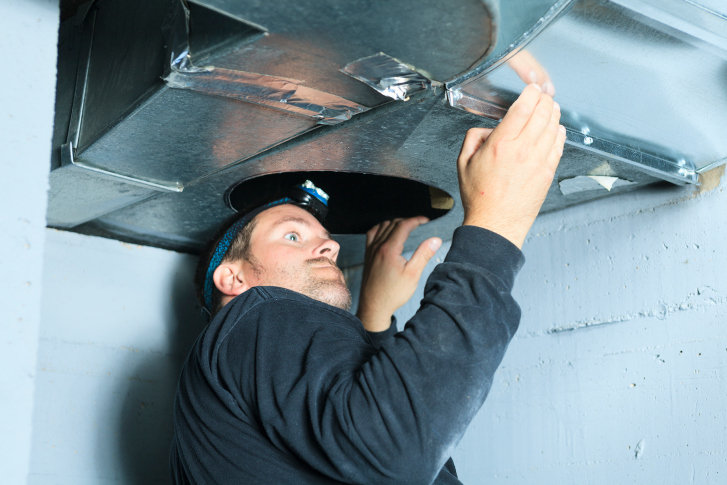
Older and newer homes alike may develop a leaky pipe or another similar plumbing issue from time to time, but any type of water issue can result in mold growth inside the walls. Water spots and warped wood indicate that the property has had a water issue in the past, and this means that the property should be more thoroughly inspected for mold growth before you make a purchase.

Doors and Windows That Stick

One of the most common signs of a foundation issue is doors and windows that stick or that are difficult to open and close. As you walk through the home, open and close the doors at leisure to identify if they are not in the frame properly. The issue should be reviewed by a structural home inspector or foundation contractor.

Small Cracks in the Walls

Some cracks in both interior and exterior walls can indicate that the home’s foundation has shifted and is no longer flat and level. Significant issues may be indicated by molding or door frames that appear to have shifted after installation.

Fresh Paint on a Small Area of the Wall

Many property sellers will apply fresh paint to walls before listing a home for sale, and this is not necessarily a sign of damage to the home. However, when fresh paint is applied on one area of the wall alone, this may be a sign that the homeowner is attempting to conceal water damage or other related issues with the property. Further inspection of the property is in order.

Floors That Slant

Any time a floor slants to a level that you feel as though you are walking up or down across the home, this is a significant indicator that the foundation has shifted. Foundation issues result in the movement of the foundation that the entire home rests on, and this can result in an uneven feeling when you walk across the floor. If you notice that the floors in a property slant, you should schedule an inspection of the foundation.

These small signs are symptoms of large problems, and they should concern you. If you notice any of these problems on a walkthrough, walk away from the home and contact a real estate professional for assistance.

Filed Under: Home Buyer Tips Tagged With: Buying A Home, Home Buying Tips, Home Inspections

Find Something Wrong During a Home Inspection? How to Discuss Repairs or Defects with a Seller

November 17, 2021 by Rhonda Costa

Find Something Wrong During a Home Inspection? How to Discuss Repairs or Defects with a SellerWhen it comes to selling a home, it is a common belief that once the offer is accepted, there is nothing else to be negotiated. However, issues and obstacles that can arise during the home inspection can be a cause for discussion with the seller. Whether you’re currently searching for houses or your offer has already been accepted and you’re preparing for the next step, here are some tips in the event that the home inspection isn’t up to par.
Be Cautious About What You Say

Without a doubt, anything that you discuss with the real estate agent regarding the property you’re looking at is going to be addressed with the seller. Instead of telling the agent everything is fine and dandy, maintain a poker face with any deficiencies in the home so you can assess them after the inspection. While a seller may think they have you on the line if all seems fine during the inspection, maintaining your peace and negotiating after the fact may end up providing a better post-inspection deal for you.

Decide What Deficiencies Are Most Important

Before negotiating any repairs or defects with the seller and how this can benefit you, ensure you prioritize what deficiencies must be fixed and what you can live without. There may be leaks and small dings in cupboards that may not be much of an issue, whereas damage in a hardwood floor that you don’t want to renovate may serve as a deal breaker. Deciding what is most important will ensure that the seller knows you’re really interested, and it will likely convince them that the fixes will make for a successful sale.

Request A Credit For Repairs

If a seller knows you’re interested in a home, you may be able to get a little bit of leeway in terms of what you can negotiate following the inspection. Instead of expecting them to deal with the hurdles of home repair, ask the seller to consider a credit so that you can ensure the repairs are completed on your own. This will not only enable you to have the repairs completed the way you would like them done, it may also make the moving process a smoother transition for all of you.

There are certain deficiencies that can show up during the home inspection, so it’s important to consider how re-negotiation can benefit both the buyer and the seller. If you’re curious about home inspections and other aspects of purchasing a home, you may want to contact your local real estate agent for more information.

Filed Under: Home Buyer Tips Tagged With: Buying A Home, Home Buyer Tips, Home Inspections

House Hunting? Watch for These 5 Red Flags when Viewing Potential New Homes

June 4, 2021 by Rhonda Costa

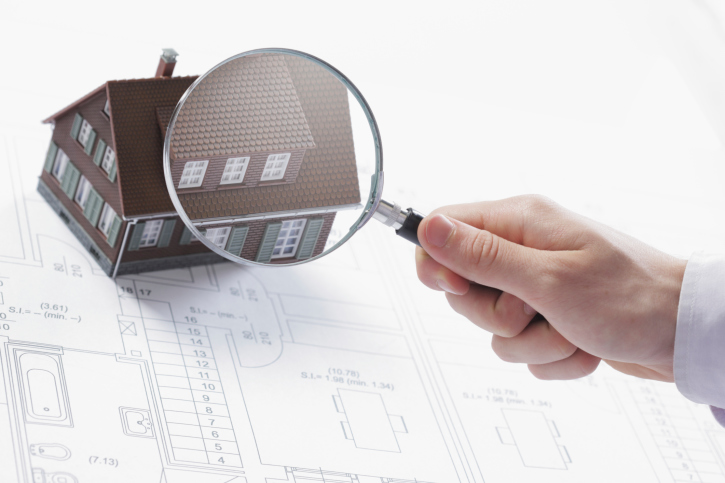
House Hunting? Watch for These 5 Red Flags when Viewing Potential New Homes From the sales price to the general layout of the building, there are numerous factors that buyers will consider when touring homes. While there are specific factors that buyers may be searching for in a new house, there are also a few warning signs that home buyers should keep their eyes open for. The following are among the top red flags that may serve as warning signs.
Signs Of Poor Home Maintenance

It is reasonable to expect all homes to have some signs of wear and tear unless they are new construction. However, it is also reasonable to expect that sellers have taken some steps to improve the condition and look of the property before listing it. When a home appears to be poorly maintained on a superficial level, home buyers should pause to consider what other aspects of the home have also been poorly maintained that are not visible.

The Grading In The Yard

When a yard grades toward the house, issues with erosion and even flooding may be concerns. Everything from a brief, torrential downpour to snow melt can result in water running toward a property when grading is a concern. Home buyers should take time to review the yard carefully to determine how water may flow when it rains or when snow melts.

A Foul Odor

It is common for sellers to try to make their home smell appealing, and different types of deodorizers may be used to mask everything from food smells to pet odors. However, it is important for home buyers to pay attention to the underlying smells in a home. Everything from a musky or mildew-y smell to sewage smells and gas odors should be warning signs.

Repairs To One Wall

Homeowners may repaint walls to make the space look cleaner, brighter and more appealing, so a fresh coat of paint by itself is not a warning sign. However, if the paint is on just one wall or if the area under the fresh coat of paint appears to have been recently textured or repaired, these are signs that water damage or other damage may have been addressed recently.

Signs Of Pests And Rodents

Another warning sign relates to signs of pests and rodents. Even if bugs and rodents are not visible during the initial tour, things like a can of bug spray, mouse traps and other related items may indicate that the seller has had an issue with bugs and rodents.

Some warning signs will be obvious during an initial home tour, but others may require more skill and experience to see. Because of this, it is best for all home buyers to consider ordering a property inspection to learn more about the condition of the home before finalizing their buying plans.

Filed Under: Home Buyer Tips Tagged With: Buying A Home, Home Buyer Tips, Home Inspections

Buying a Home? What to Do if Problems Are Found During the Final Home Inspection

April 28, 2021 by Rhonda Costa

Buying a Home? What to Do if Problems Are Found During the Final Home InspectionAs a home buyer, you may go through a number of different steps to ensure that the property that you purchase is in great condition. For example, you may complete an initial walk-through or even several home tours before you make an offer. You may also order a property inspection and even negotiate for the seller to make some repairs on your behalf.

A day or two before your closing date, you may set up a final home inspection to ensure that the home is still in the same condition as the initial walk-through. In most cases, there will be no problems with the final inspection. However, in the event that there is a problem with the final inspection, you will need to know how to handle it.

Work With Your Real Estate Agent

As a first step, you should discuss the issues with your real estate agent. Your real estate agent may have some strategies or ideas that can be used to help you overcome the issue in the best possible way. Minor issues may be resolved with a last minute negotiation to the sales contract. More significant issues may need to be rectified prior to closing, and you may need to delay the closing by a few days or longer until any issues are resolved.

Consider Walking Away

It may be rare for a property to have issues during the final home inspection, and most issues that do arise at this late stage in the buying process may be resolved through negotiations between the buyer and seller. However, in the event that the seller plays hardball and refuses to work with you to resolve the matter, or in the event that the issue is so significant that you are not comfortable with it, it may be an option to walk away from the property.

In most sales contracts, wording is present that requires the property to be delivered to the buyer in the same condition as it was when the contract was signed less general wear and tear. Walking away may not be ideal, but it may be the best option in some cases.

Making a final home inspection is not a requirement, but it is advisable. It can ensure that the home your purchase is in the same condition as it was when you did the initial walk-through, and you can apply these tips if you discover that the home is not in the same condition.

Filed Under: Home Buyer Tips Tagged With: Buying A Home, Home Buyer Tips, Home Inspections

  • 1
  • 2
  • 3
  • Next Page »

Rhonda & Steve Costa

Rhonda & Steve Costa

Call (352) 398-6790
Sunrise Homes & Renovations, Inc.

Contractors License #CBC 1254207

Let’s Keep In Touch!

  • This field is for validation purposes and should be left unchanged.

Connect With Us on Social Media

Categories

Looking For Something?

Our Location


Spring Hill, FL 34608

Equal Housing Opp

Return to top of page

Copyright © 2026 Sunrise Homes & Renovations, Inc.. All rights reserved.   Log In