 Your carbon footprint is the measure of your impact on the earth’s natural resources. This number describes the amount of fossil fuel it takes to support your lifestyle. In the United States, each person produces an average of 19.78 tons of carbon dioxide every year. A high carbon footprint means your daily habits are a quickening drain on our finite resources.
Homeowners can use these DIY projects to reduce the effect of their lifestyle on the environment.
Try Solar Solutions
A residential solar system gathers photo-voltaic energy from the sun and converts it into usable electrical current. Once installed, any energy your system produces is essentially free. However, the initial investment for a residential solar system to power your entire home can be prohibitively high. There are some ways to use solar power without a large upfront investment.
- Take advantage of state and federal incentives to lower your out-of-pocket costs.
- Opt for individual appliances like solar water heaters or solar lighting.
- Talk to your utility provider about existing programs that allow you to sell back your excess power for bill credits.
You could also get your neighbor involved and build a neighborhood solar bank for charging batteries and electric vehicles.
Plant A Vegetable And Herb Garden
Food transportation is one of the leading contributors to greenhouse gases. Reduce your impact even further by growing some of your own food. Use containers, shelves, or construct a hanging wall garden to keep your home supplied with salad greens, tomatoes, and herbs of all kinds. Having a garden means fewer trips to the grocery store, which saves our supplies of natural gas.
Install A Clothesline
Skip the gas-powered appliances and hang your freshly washed laundry out on a clothesline to dry. When the weather is nice, your clothes will come back in with a sweet scent you can’t get anywhere else. And instead of spending the time staring at a spinning machine, you get the added benefit of fitting a little extra exercise into your day. You don’t have to completely ditch your dryer. Save it for rainy days or other unfriendly weather conditions.
Lowering your carbon footprint doesn’t have to be a big life change. Start with small steps and slowly build your property in an earth-friendly fortress.
If you are interested in greener living, be sure to tell your trusted real estate professional that finding an environmentally friendly property is a top priority.
 Your home is likely your largest investment. Beyond repairs and regular maintenance to keep it clean, comfortable, and safe, there are a number of projects that can increase the resale value of your property. These renovations top the list of changes you can make that positively impact your home’s value.
 When you walk through a house with your real estate agent, you’re seeing if you and your family would be happy living there. But you’re also probably looking for signs of trouble that might spell big expenses later on. Be careful, though. It’s important to see the “bones” of the house rather than focusing on minor issues.
 You have about five minutes to impress (or not) prospective buyers at a showing. For curb appeal, you get about five seconds for buyers to decide whether they want to go inside.
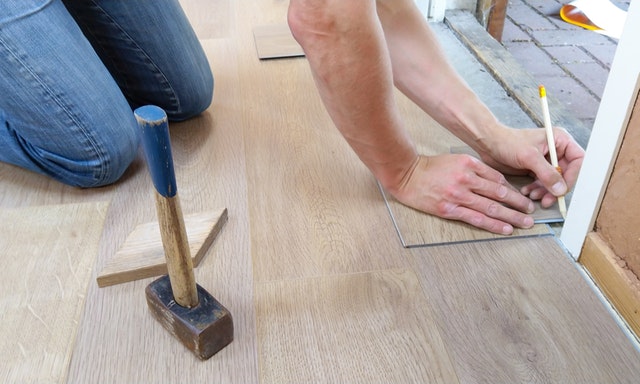 There are several things to do when you prepare to list your home for sale. One of the projects you’ll need to do is complete certain repairs. Your home should be in the best possible condition before your real estate agent shows it to potential buyers.
 It can be confusing choosing the right countertop material for your kitchen. Here is a list of some common countertop materials along with their pros and cons. Knowing the differences will help you choose the right material to serve your needs.