 Many people make the decision to move from the country or the suburbs into the heart of the downtown area for a number of reasons, such as to enjoy proximity to work or to enjoy the urban lifestyle. With the higher cost of real estate in central urban areas and with real estate space at a premium, many who make the decision to relocate will need to downsize from a larger house to a smaller condo or apartment. While this can be challenging, it can be accomplished by following a few steps.
Choose The Right Pieces To Keep
When downsizing from a larger house to a smaller apartment or condo, it is often necessary to get rid of some furnishings. It is important to select furnishings that are best suited for the size of the new space as well as the individual’s needs. Items that will not have a place in the new home can be donated, stored in a storage unit or given to a family member or friend.
Think About Storage
When living space is downgraded, storage of everything from dishes to linens and clothing becomes a concern. Storage features in downtown apartments and condos is often minimal, and this means that those moving into these units may need to invest in special storage features. For example, storage bins that can slide under the bed, pull-out features for kitchen cabinets and various other types of storage features can all be put to use to improve organization and to maximize the limited amount of space available in the property.
Get Back To The Basics
While storage features can be useful, the fact is that most people who are making this transition will need to get rid of some of their items or store them in a storage unit. A smart idea is to consider only the basic items that are truly necessary for living as a first step. If space permits, additional luxury items can be added to the space provided there is room in the apartment or condo.
Downgrading from a larger home to a smaller living space can be frustrating and stressful, but eliminating the unnecessary items and improving storage and organization can go a long way toward streamlining this process. Those who are searching for a new place to live in the city can request personal assistance from their trusted real estate professional.
 Finding the perfect home to purchase is easier said than done, and savvy home buyers understand the importance of researching the neighborhood as well as the home. All home buyers have unique things that they are looking for in an ideal neighborhood, and these factors will play a major role in how enjoyable a homeowner’s living experience is. Those who are shopping for a new home this summer may focus on a few points to find the perfect neighborhood to live in before deciding which home to purchase in that community.
 There are numerous factors that you may review when choosing a new place to live. If you have children, the quality of the schools and the level of education that your kids will receive in the schools is important. However, you may not be certain how to determine if a school is good or not. When you are looking at schools, use this helpful checklist to guide you in making a great decision.
 Real estate sales contracts can be confusing, and there seem to be contingencies and special circumstances for many different events built into a standard contract. One option that your real estate agent may ask if you are interested in is an escalation clause. This is typically an optional clause that you can choose to invoke if you desire, so you should take time to learn more about what it is before you make your offer.
 When buying a new home, you may have a close eye focused on your budget and expenses, and your goal may be to keep related expenses to a minimum. However, you may also be well aware that a real estate purchase is a legal transaction, and you may be wondering if you need to pay for legal services from a real estate attorney. With a closer look, you can make a better decision that is right for your home buying plans.
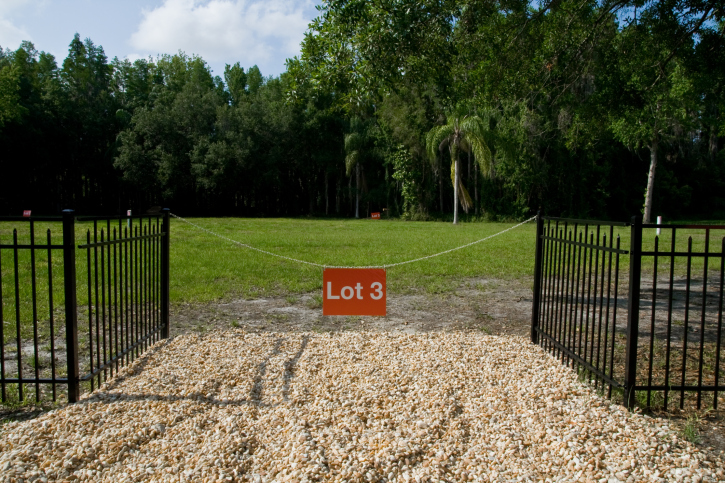 When many people think about investing in property, they think about purchasing income-producing real estate such as a residential property or an office building with tenants. There are indeed many benefits associated with investing in income-producing property. For example, these properties may produce rent that can offset your ownership expenses. However, buying raw land can also be an excellent long-term investment strategy.