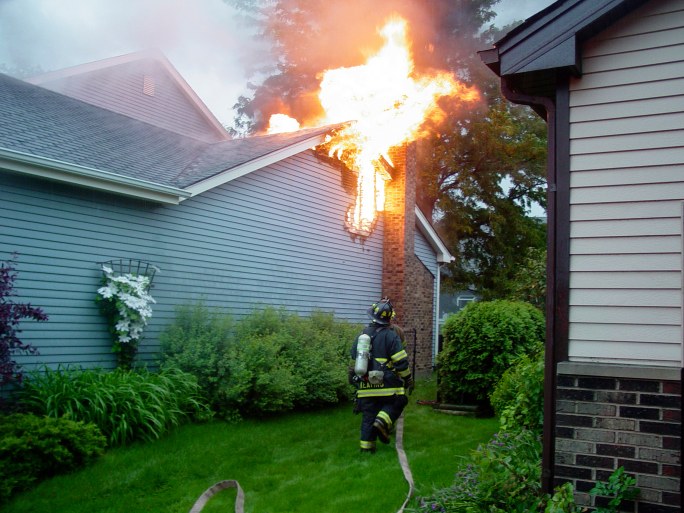
 A fire can rage through your home at a moment’s notice, and it can cause a significant amount of damage in a very short period of time. Damage from the flames, intense heat, smoke and soot can cause tens of thousands of dollars or more in some cases, and a severe fire event can result in a total loss for the homeowner. More than that, a fire can create a serious health and safety risk for you and your loved ones inside the home. If you are concerned about how safe your home is from a fire, consider a few important points.
Do You Have Fire Extinguishers On All Floors?
When a small fire breaks out, you may only have a few seconds to respond. You simply do not have time to rush around the house in search of a fire extinguisher. Instead, you should know immediately where it is at and how to use it. More than that, you should have one available on all floors of your home. While you may want to reach for a fire extinguisher to put out a small flame, you should still yell for others in the home to vacate while you use the fire extinguisher.
Do You Have Smoke Alarms in Ideal Locations?
Fires can break out during all hours of the day and night. When you are awake, you may easily be able to smell smoke from a nearby room. However, when you are asleep or when the smoke is in a removed area of the home, it can be more difficult to observe the signs of a fire until it is too late. Placing a loud smoke alarm in all bedrooms in your home is a wise idea. You will also need one in living areas of the home. If your home is larger in size, you may consider investing in additional smoke alarms.
When Was the Last Time You Replaced the Batteries in Your Smoke Detectors?
It is not enough to simply have the smoke detectors mounted to your walls or ceiling. Instead, you need to make sure that they are loud and that they work well. If you have a hearing impaired person in the home, you should invest in detectors with a visible strobe light to alert them to a danger. Batteries generally should be replaced every few months, and you may consider replacing the batteries each time you replace the filters for your HVAC system. Keep in mind that it is better to replace the batteries before they lose power than to be without the function of an alarm in your home when you need it.
Even a small fire can be a dangerous and costly event. By focusing on these factors in your home, you can most easily prepare for a fire, and you will be able to take immediate action in the event a fire develops in your home.
 If you have children, no home is complete without a treehouse. Besides the fact that treehouses provide kids with hours of entertainment, they can also confer ancillary benefits that are hard to quantify. For starters, treehouses can improve property values by boosting curb appeal. When building any type of treehouse, keep the following tips in mind.
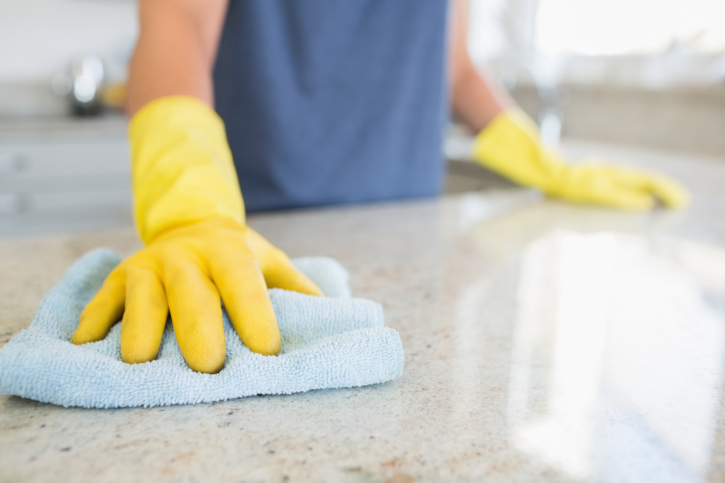 Spring is not far off, and your garage, basement and attic need your attention. From sweeping cobwebs to throwing out old, useless junk and organizing family photos, spring cleaning is essential to keeping a tidy house. Follow our handy guide to organizing your garage, basement and attic.
 When preparing to list your home for sale, you may be wondering who will buy your home. While this initial thought may be one spurred by curiosity, the fact is that understanding who your target audience is and what they are looking for in a home may help you to position your home to sell more quickly and for a better price. If you have determined that there are many younger buyers moving into your area, you may want to make a few changes that will add appeal to this target audience. While you could spend tens of thousands of dollars or more completing a home makeover, there are a few budget-minded ideas that you may consider.
 If you are concerned about the presence of radon in your home, you are not alone. The fact is that radon is an invisible, odorless gas that may be found in buildings around the world. It is a radioactive gas that is emitted from the ground soil as trace amounts of naturally occurring uranium break down. The gas can enter a building and remain trapped, and this is known to cause as many as 21,000 deaths related to lung cancer each year, according to the EPA. Testing your home from time to time is a necessity, and you can easily accomplish this in two different ways.