
Sunrise Homes & Renovations, Inc.

  • Home
  • About
    • About Us
    • Recognition
      • Disaster Contractors Network
      • US EPA Certified
    • Accessibility Statement
  • Example Models
  • Renovations
  • Resources
    • First Time Home Buyer Tips
    • First Time Home Seller Tips
  • Blog
  • Contact

Reduce Your Carbon Footprint with These DIY Home Projects

March 13, 2019 by Rhonda Costa

Reduce Your Carbon Footprint with These DIY Home ProjectsYour carbon footprint is the measure of your impact on the earth’s natural resources. This number describes the amount of fossil fuel it takes to support your lifestyle. In the United States, each person produces an average of 19.78 tons of carbon dioxide every year. A high carbon footprint means your daily habits are a quickening drain on our finite resources. 

Homeowners can use these DIY projects to reduce the effect of their lifestyle on the environment.

Try Solar Solutions

A residential solar system gathers photo-voltaic energy from the sun and converts it into usable electrical current. Once installed, any energy your system produces is essentially free. However, the initial investment for a residential solar system to power your entire home can be prohibitively high. There are some ways to use solar power without a large upfront investment.

  • Take advantage of state and federal incentives to lower your out-of-pocket costs.
  • Opt for individual appliances like solar water heaters or solar lighting.
  • Talk to your utility provider about existing programs that allow you to sell back your excess power for bill credits.

You could also get your neighbor involved and build a neighborhood solar bank for charging batteries and electric vehicles.

Plant A Vegetable And Herb Garden

Food transportation is one of the leading contributors to greenhouse gases. Reduce your impact even further by growing some of your own food. Use containers, shelves, or construct a hanging wall garden to keep your home supplied with salad greens, tomatoes, and herbs of all kinds. Having a garden means fewer trips to the grocery store, which saves our supplies of natural gas.

Install A Clothesline

Skip the gas-powered appliances and hang your freshly washed laundry out on a clothesline to dry. When the weather is nice, your clothes will come back in with a sweet scent you can’t get anywhere else. And instead of spending the time staring at a spinning machine, you get the added benefit of fitting a little extra exercise into your day. You don’t have to completely ditch your dryer. Save it for rainy days or other unfriendly weather conditions.

Lowering your carbon footprint doesn’t have to be a big life change. Start with small steps and slowly build your property in an earth-friendly fortress.

If you are interested in greener living, be sure to tell your trusted real estate professional that finding an environmentally friendly property is a top priority.
Filed Under: Real Estate Tagged With: Green Living, Home Improvement, Real Estate

14 Remodeling Projects That Increase the Value of Your Home

March 12, 2019 by Rhonda Costa

14 Remodeling Projects That Increase the Value of Your HomeYour home is likely your largest investment. Beyond repairs and regular maintenance to keep it clean, comfortable, and safe, there are a number of projects that can increase the resale value of your property. These renovations top the list of changes you can make that positively impact your home’s value.

Kitchen

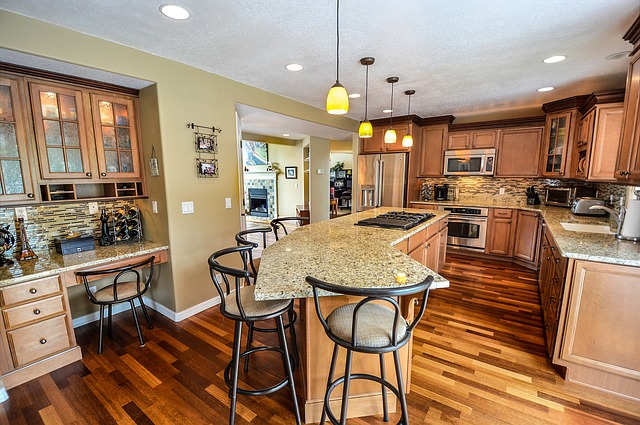
With the right strategy, your kitchen remodel could return up to 92.9% of your construction investment. The trick is to not overdo it. You don’t need to gut and rebuild the entire room. Instead, make strategic upgrades that increase the comfort and usability of the room.

  • Paint wooden cabinets or install new doors and fixtures.
  • Install track lighting or LED features.
  • Refresh or change countertops.
  • Refurbish flooring and spruce up walls with warm, neutral colors that are easy to clean.

Invest in new appliances right before you put your home on the market to catch the eye of potential buyers and pull them in.

Odd Spaces

Older homes with distinctive architecture stand out from the crowd of cookie-cutter residences. However, these unique buildings often hide a lot of unused space. Make the most of every inch of your home to entice buyers to place a bid.

  • Convert a basement into a bonus room.
  • Turn the space underneath a staircase into a storage closet.
  • Divide oversized dining rooms to create a small home office.

Most buyers aren’t looking for a long-term project. Instead of pointing out the potential of your property, make it easy to see by getting creative with odd spaces.

Increase Energy Efficiency

In 2017, the average monthly utility bill reached $111.67. Help potential buyers lower their monthly costs by installing energy-efficient options throughout the home.

  • Install a solar water heater.
  • Change the windows to more energy-efficient models.
  • Add extra insulation to outer rooms and around doors and windows.
  • Use LED lighting outdoors and throughout the home.

You may be able to get some help paying for your earth-friendly upgrades with state and federal incentives.

Bathrooms

After the kitchen, bathrooms are the most scrutinized feature of homes for sale. Once again, a little goes a long way in these rooms.

  • Update fixtures with shiny metals for a modern look.
  • Change out the toilet seat.
  • Fix up the shower tiles and head.

These projects don’t take a lot of time. However, they can offer a big payoff when you decide to sell your home.

If you are looking for a new home or interested in listing your current property, be sure to contact your trusted real estate professional.

Filed Under: Real Estate Tagged With: Home Improvement, Real Estate, Remodel

3 Questions to Ask Before You Buy Your First Home

March 8, 2019 by Rhonda Costa

3 Questions to Ask Before You Buy Your First HomeHunting for your new home can be a confusing process. There are countless factors you need to take into account to ensure your new location fits your family’s lifestyle and preferences. In their excitement, first-time home buyers can easily overlook some essential points about their potential property.

When you’re searching for your new residence, ask these questions to get exactly what you’re looking for.

Am I Financially Ready For A New Home Purchase?

It takes more than money to find the right home. Your credit rating is an important factor in your ability to secure enough funding to finance your dream. Check out your credit score before you buy to make sure you won’t have to settle for less.

Some of the things you have the greatest control over include:

  • Payment history
  • Credit utilization ratio
  • Debt-to-income ratio

Even with a large down payment, having a questionable credit history can endanger your chances of qualifying for mortgage loans. Spend some time shining up your credit report for the best results. Getting a pre-approved home loan is a great way to find out how much house you can afford before you start shopping.

Is This The Right Neighborhood For Me?

No matter how beautiful the structure itself is, your house won’t seem like a home unless you’re comfortable with the surrounding neighborhood. Take a walk around your potential block to assess the area and compare it to your needs.

  • For families with children, are there high-quality schools in the area?
  • Do your neighbors’ homes seem well-kept?
  • What amenities (dry cleaner, grocery stores, parks, etc) do you want in your community?
  • How do the roads and sidewalks look?

Before committing to a purchase, visit the home at different times of the day to get an idea of what you might have to live with.

Am I Ready To Settle Down?

Align your home purchase with your future goals. If you know you’re planning to move out-of-state in the next several years, take that into account when shopping for a home. Will you be able to sell quickly enough before you leave? Or do you plan to retain ownership of the home and rent it out while you’re away?

Think about the directions your life might take in the next 5 to 10 years. By looking ahead, you can make a better plan for the best home you can afford which will accommodate you and your family in the years to come.

Buying your first home is a major decision. Knowing your goals, desires, and abilities before agreeing to a purchase a home will make you the most comfortable moving forward.

One of the best partners in your home search will be your trusted real estate professional. Be sure to make contact as soon as you are considering a new home purchase.

Filed Under: Real Estate Tagged With: Credit, Home Purchase, Real Estate

5 Financial Terms Every Real Estate Investor Should Know

March 1, 2019 by Rhonda Costa

5 Financial Terms Every Real Estate Investor Should KnowThe success of your real estate ventures depend on your ability to navigate the financial world. Learn these terms to make it easier to understand what’s going on with your real estate investments.

Cash Flow

Contrary to popular belief, cash flow isn’t just the amount of liquid assets you have available. Your cash and unused lines of credit are an essential indicator of your ability to complete projects and pay the cost of ongoing operations. However, these factors don’t tell the whole financial story.

Your actual cash flow is the difference between your gross income and your financial obligations. You can have a large cash reserve but still have a negative cash flow if you aren’t making enough to cover your obligations.

Gross Yield

When evaluating potential properties, it’s helpful to understand the gross yield. To calculate gross yield, divide the annual income you expect the property to produce by the property’s price. This number comes in handy for comparing properties and narrowing down your options.

Amortization

Lending institutions offer a variety of loan structures to fit your goals and financial standing. An amortized loan features a set amount of interest. This amount is integrated into each monthly payment. That means that borrowers are paying on the loan’s principal and paying down their interest liabilities from the very first payment.

Amortization is an excellent way to quickly build equity. This enables real estate investors to use existing properties to fund other projects without having to sell off their holdings.

Carrying Costs

Flippers and other short-term real estate investors need to keep a close eye on their carrying costs. These are all the expenses incurred after the initial purchase and before the property is sold for profit. Carrying costs include mortgage and interest payments, utility bills, taxes, and insurance.

The best way to limit carrying costs is to flip your property as quickly as possible. However, sudden changes in the market, illness, and other unexpected factors can prolong your need to make monthly payments. In this event, investors should carefully monitor their cash flow to ensure they don’t end up losing their entire investment.

Double Close

Wholesale home buyers often already have an exit strategy before signing on new properties. In this case, a double closing allows the wholesaler to purchase the property and sell it to a new buyer in a single transaction. This is also sometimes called a back-to-back closing.

Knowing these terms will make it easier for you to manage the financial details of your real estate investments. And partnering with a trusted real estate professional will make it easier for you to find just the right investment property. 

Filed Under: Real Estate Tagged With: Amortization, Cash Flow, Real Estate

11 Simple Ways To Save Money Toward The Purchase Of Your New Home

February 28, 2019 by Rhonda Costa

11 Simple Ways To Save Money Toward The Purchase Of Your New HomeIf you find it difficult to make ends meet, these tips will help you save money in ways that are easy to do and create substantial savings over time.
Declutter

Get rid of stuff you do use or need by having a garage or yard sale or by putting things for sale on eBay or Craigslist.

Make Your Own Coffee

Do you really want to make that billionaire richer by buying coffee for $5+ a cup? Make your own gourmet coffee that costs around 50 cents per cup for the same thing.

Bring Your Own Lunch

Making your lunch the night before to take to work the next day will give you more time to enjoy lunch. You will save the money that is wasted when driving to fast-food restaurants or going to pricey lunch places.

Grow Some Food

Everyone should have a garden, even if it is only a window garden for herbs. If you have some room for pots, you can grow tomatoes and other vegetables. If you have a back yard or a front yard you can grow tons of stuff.

Buy In Bulk And Use Coupons

For the things that you use on a regular basis, stock up when the items are on sale. Buy things at discount stores. Buy bulk things like rice and pasta at wholesale prices in co-ops. Coupon clipping is a hobby that pays for itself in savings. Just be careful not to buy things you do not really need or use.

Change Home Lighting

If you have not yet changed out all your incandescent bulbs to compact fluorescent bulbs, what have you been doing? Change those bubs right away because you are burning up money on wasteful lights.

Install Smart Home Technology

Making a home run with more energy-efficiency is reduces your bills and helps the planet too. Smart home technology monitors comfort zones and turns things off when they are not needed.

Cut The Cable

An expensive monthly bill for cable TV is something many can do without. There are plenty of less expensive alternatives and tons of free content to view online.

Make A Change Jar

Every time you come home, put all the change you have in a change jar. You will be surprised how much money builds up over time and you will hardly even notice it is missing.

Walk Instead Of Drive

Do you have to drive your car everywhere? Try walking short distances instead. Not only will you save money on gas; walking may improve your health.

DIY Projects

Instead of paying others to do simple jobs around the house, do them yourself. There are plenty of do-it-yourself (DIY) guides on YouTube that show how to do just about anything. You will save the expensive labor cost for simple home repairs that can be up to $75 per hour.

Are you inspired? OK. Put some of these ideas into action. Ready, set, save!

Your trusted real estate professional is a skilled negotiator. Be sure to utilize this savvy resource as soon as you are considering a new home purchase.

Filed Under: Real Estate Tagged With: Down Payment, New Home, Real Estate

Case-Shiller: December Home Price Growth Slowest in 4 Years

February 27, 2019 by Rhonda Costa

Case-Shiller: December Home Price Growth Slowest in 4 YearsCase-Shiller Home Price Indices reported the slowest rate of U.S. home price growth since November 2014. According to the 20-City Home Price Index, Home prices grew by 4.20 percent year-over-year and were 0.20 percent higher in December as compared to November. The 20-City Home Price Index fell short of analysts’ expected gain of 4.80 percent year-over-year. Case-Shiller’s National Home Price Index reported home prices increased 4.70 percent in the fourth quarter of 2018.

While home price growth is sluggish, home prices continued to rise faster than wages. This creates obstacles to affordability for many would-be home buyers. Fears about rising mortgage rates and inflation, also concerned would-be home buyers seeking affordable homes.

20-City Home Price Index: Home Price Growth Rose In Only 5 Metro Areas

Las Vegas, Nevada led in home price growth for December with a year-over-year increase of 11.40 percent. Phoenix, Arizona home prices rose 8 percent year-over-year, and Atlanta, Georgia home prices increased by 5.90 percent. Home prices in west coast cities including  San Francisco, California and Seattle, Washington grew at a slower pace than in prior years, which could indicate that high-demand metro areas are approaching peak home prices.

December home price growth surpassed November readings in five cities tracked in the 20-City Index. Three cities reported no change in month-to-month home prices growth. David M. Blitzer, Chair of the S&P Dow Jones Index Committee, acknowledged that year-over-year home prices continued to fall despite the prior assertion that housing markets were not approaching “bubble” conditions seen in the Great Recession.  

Serious Headwinds Face Prospective Home Buyers

According to data compiled by the National Association of Realtors®, 27 percent of prospective home buyers surveyed at the end of 2017 believed that they would face fewer challenges to finding and buying a home in 2018. Prospective buyers surveyed in late 2018 who planned to buy within the next year decreased from 24 percent to 13 percent. Combined impacts of high home prices, potential increases in mortgage rates and strict mortgage requirements discouraged some would-be buyers, but whether this is a short or long-term trend will depend on factors including inflation, wage growth and inventories of homes for sale.

Market conditions can vary by location. Please be sure to consult with your trusted real estate professional to find out about market specifics in your area.

Filed Under: Real Estate Tagged With: Case-Shiller, Market Conditions, Marketing Trends

  • « Previous Page
  • 1
  • …
  • 91
  • 92
  • 93
  • 94
  • 95
  • …
  • 119
  • Next Page »

Rhonda & Steve Costa

Rhonda & Steve Costa

Call (352) 398-6790
Sunrise Homes & Renovations, Inc.

Contractors License #CBC 1254207

Let’s Keep In Touch!

  • This field is for validation purposes and should be left unchanged.

Connect With Us on Social Media

Categories

Looking For Something?

Our Location


Spring Hill, FL 34608

Equal Housing Opp

Return to top of page

Copyright © 2026 Sunrise Homes & Renovations, Inc.. All rights reserved.   Log In