Sunrise Homes & Renovations, Inc.

  • Home
  • About
    • About Us
    • Recognition
      • Disaster Contractors Network
      • US EPA Certified
    • Accessibility Statement
  • Example Models
  • Renovations
  • Resources
    • First Time Home Buyer Tips
    • First Time Home Seller Tips
  • Blog
  • Contact

Is It Possible To Have A Hurricane-Proof Home?

September 20, 2019 by Rhonda Costa

Is It Possible To Have A Hurricane-Proof HomeThe recent total devastation of the Bahamas by hurricane Dorian reinforced the need for hurricane-proof homes in areas that are subject to this risk. Building codes have not kept up with the increasing severity of the weather.

Wind Damage

As an example, Florida communities, such as the Miami-Dade County area, have building codes that are designated by risk zones.

The risk zones in Miami-Dade County are:

  • Risk Category I – Buildings must be able to withstand 165 mph winds.
  • Risk Category II – Buildings must be able to withstand 175 mph winds.
  • Risk Category III – Buildings must be able to withstand 185 mph winds.

These building codes were last updated in 2010. Broward County in Florida has these same risk categories; however, the wind speeds are 10 mph lower for each category. Other parts of Florida have building codes that are even lower than these standards. Dorian reached a 183 mph wind speed. It stayed over the Bahamas for over fifty hours with these winds.

Water Damage

Water damage from hurricanes is more severe than wind damage. The storm surge for Dorian reached over 23-feet high in some places.

Hurricane Proofing

To withstand hurricane-force winds, the structure must be able to handle 180+ mph winds over an extended period. Damage done by the wind includes all the projectiles and debris being blown about. Some homes in the Bahamas had vehicles blown through walls.

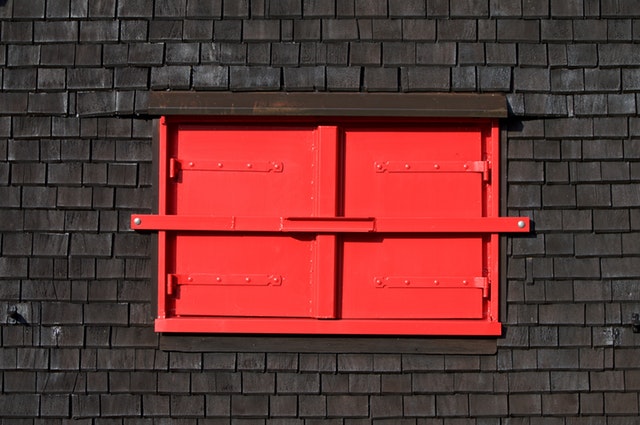
The main consideration for wind damage is to use wind-resistant, shatter-proof glass for windows that are also protected by steel shutters, which can be closed when a hurricane is coming. These shutters close to protect other openings such as doors as well. Walls should be thick, reinforced concrete, especially the lower floors that need to resist both the wind and the water.

Water is going to come into the lower two floors of a home on the beach, so beach homes need to be at least three stories high. This may be challenging in some areas because of the building-height restrictions that are in place to prevent blocking other neighbors’ views of the ocean.

The idea is to make to bottom floors able to withstand water entering the home as if it is a swimming pool. When a hurricane is coming, you can move all the items from the lower floors to the upper floor.

In Holland, where many of the coastal cities are at sea level, their solution is to have homes that float. These homes near Amsterdam are like houseboats that are moored down very strongly so that they can rise with the storm surge but not float away.

Summary

There is not a 100% certain way to make a home completely hurricane-proof; however, there are examples of well-built homes that are the only ones left standing when the entire neighborhood is devastated by a hurricane.

When considering a home on the coast, it is better to build a new home to very high standards regardless of the building codes. In all coastal areas, building codes need to be updated to make the hurricane standards more robust because hurricanes are becoming stronger and more frequent.

If you are have concerns about buying or selling a home in a high risk storm area, be sure to consult with your trusted real estate professional.
Filed Under: Real Estate Tagged With: Home Safety, Real Estate, Weatherization

Boom Or Bubble? – Home Prices Hit Record Highs Across America

September 10, 2019 by Rhonda Costa

Boom Or Bubble? - Home Prices Hit Record Highs Across AmericaThe rapidly rising home prices currently found in many parts of the United States make it seem like the Great Recession of 2008 never happened. It took approximately eight years for home prices to recover the values that were equivalent to those they had before the recession.
After reaching this point of recovery, since around 2016, real estate prices have been going up very quickly in many cities.

The Best Recovered Housing Markets

Here are the fully-recovered housing markets analyzed by ATTOM data service for the second quarter of 2019 that have exceeded the peak valuations from before the recession.

This list of winners shows the percentage that they are now above their pre-2008 peaks:

  • Greeley, Colorado (87% up)
  • Shreveport, Louisiana (81% up)
  • Denver, Colorado (80% up)
  • Austin, Texas (77% up)
  • Fort Collins, Colorado (76% up)
  • Dallas-Fort Worth, Texas (72% up)
  • Nashville, Tennessee (71% up)
  • San Antonio, Texas (58% up)
  • Houston, Texas (54% up)
  • San Jose, California (54% up)

It took quite a while for homes to have this much appreciation in value, which in most cases meant that the homes, first, had to increase significantly to overcome the lowered values from pre-recession peaks.

Homeowners Waiting Longer To Sell

Homeowners, who were wise and able, waited for this to occur. This accounts for the median of eight years that homeowners waited before selling now. Before the Great Recession, the median holding period for selling a home was only four years after purchase.

Homeowners who were able to hang on to their homes after the Great Recession hit, and then ride it out until now, are, in general, being rewarded for waiting to sell.

The Hottest Markets For American Cities

Most American cities are hot real estate markets. The appreciation rate for annual increases is up 89% of all the metro market areas.

Cities showing the greatest annual appreciation rates are:

  • Atlantic City, New Jersey (16% increase)
  • Boise City, Idaho (14% increase)
  • Chattanooga, Tennessee (13% increase)
  • Mobile, Alabama (11% increase)
  • Madison, Wisconsin (11% increase)
  • Milwaukee, Wisconsin (9% increase)
  • Boston, Massachusetts (9% increase)
  • Salt Lake City, Utah (9 % increase)
  • Columbus, Ohio (8 % increase)
  • Birmingham, Alabama (6% increase)

Summary

Whether this a continuing boom or an early indication of another real estate bubble that might eventually burst is anyone’s guess. It is a decent time to sell if selling a home is in the plans. It is a more challenging time for home buyers. However, the one thing the Great Recession taught us all is that housing prices do not always go up.

If you are in the market for a new home or interested in listing your current property, please consult with your trusted real estate professional.

Filed Under: Real Estate Tagged With: Market Conditions, Market Trends, Real Estate

New Home Prices Going Down Making Them More Affordable

September 6, 2019 by Rhonda Costa

Residential real estate developers in America are responding to a national slowdown in new home construction by building smaller homes that are more New Home Prices Going Down Making Them More Affordablemodestly priced. The demand for smaller, less expensive homes is growing, while the overall demand for new custom homes is declining. Prices decreased slightly, by about one-half percent, from the price levels in 2018 for newly-constructed homes.

Lower Profits For Builders

The median price for a newly-constructed home in America is $372,900. The median sales price of an existing home is $309,700.

American construction companies are feeling the pressure to build lower-priced homes along with the increased costs for imported building materials due to the tariffs and a labor shortage. This is lowering profits for the construction companies, yet creates a buying opportunity for those looking for a new home.

Lower New Home Inventory Levels

These pressures caused new home inventory to decrease by 1% from the 2018 levels. To put this in perspective, the inventory of new homes only decreased this much in 2013. Even though mortgage loans are easier to come by than a number of years ago, there is not the same demand as before for new homes. Perhaps, this is an advance indicator of an upcoming slowdown.

Down-Sized Demand

The U.S. Census reports that the average size of a new home went from 1,660 square feet in the 1970s to 2,687 square feet in 2105. In 2018, the average size of a new home was only 2,386 square feet.

During 2018, there were around 119,000 contractor-built single-family new homes that started construction and over 840,000 that were completed.

Other interesting trends reported by the Census about the 840,000 new single-family homes that finished construction in 2018 include:

  • 783,000 of the new homes have air-conditioning installed, which is 93% of the total.
  • 778,000 of the new homes have wood frames.
  • 59,000 of the new homes have concrete frames.
  • 336,000 of the new homes have a heat pump.
  • 270,000 of the new homes have a porch or patio.
  • Only 10% or 84,000 of the new homes have two bedrooms or fewer.
  • About half or 376,000 of the new homes have four bedrooms or more.
  • 31,000 of the new homes have one and one-half bathrooms or fewer.
  • 306,000 of the new homes have three or more bathrooms.

Conclusion

Builders who offer smaller, lower-priced homes are still experiencing strong demand. In fact, the demand for these modest homes is growing. This trend is likely to continue for the time being.

If you are in the market for a new home or interested in listing your current property, be sure to contact your trusted real estate professional.

Filed Under: Real Estate Tagged With: Market Trends, New Construction, Real Estate

Using Smart Home Technology To Help Sell It

September 5, 2019 by Rhonda Costa

Using Smart Home Technology To Help Sell ItSmart home technology is useful for many reasons. It improves security, helps improve energy-efficiency, and makes it more convenient for the home’s occupants. There is also a new trend in the use of smart home technology as a sales tool to help sell a home or a condominium.
A real-estate agency in Atlanta, Georgia is using Alexa® devices, along with nicely-framed display cards, to help prospective buyers learn more about a condominium that is for sale in the Districts Lofts building.

There are now more than 53 million personal assistant devices, such as the Alexa® device from Amazon and the Google Assistant®, which are in use. Many people are very comfortable using them to ask questions and get the answers spoken back to them in a calm, soothing voice.

Alexa® Tell Me More

The innovative trend in home sales is to place an Alexa® device in each room, preprogrammed with the answers to frequently asked questions. Display cards that sit on the counter next to the Alexa® device encourage the potential buyer to says things like “Alexa, tell me about the kitchen.” or “Alexa, what are the amenities in the neighborhood?”

These systems work with chatbot technology that uses artificial-intelligence, voice-recognition programming to understand the questions and provide the answers from a stored database of information. Also, if the chatbot cannot answer the question, the Alexa® device can connect the potential buyer to a live human operator to answer the question.

Friendly, Effective, And Cost-Efficient

Using the Alexa® device and similar devices can be less intimidating for many people than having to speak with a human salesperson. These devices can deliver the answers in a professional and consistent way.

Not needing to have a human being waiting around for a potential customer saves an enormous amount of labor expense and time. Moreover, the Alexa® device can be always available for extended hours to show a model unit when it is convenient for potential customers.

Conclusion

Using Alexa® devices to better inform potential buyers is interesting. The devices can be preprogrammed with all the information needed and can also collect customer information, which the customers voluntarily give, for follow-up purposes.

After Alexa® answers all a potential buyer’s questions, it can then ask them if they would like a brochure emailed to their email address to build up a mailing list for the real estate agency. This kind of personalized customer service, using advanced technology, is the wave of the future for real estate sales.

Of course, technology can only go so far. Your professional real estate agent and mortgage lender are the best resource for making a decision on which home is the right one for you and helping you negotiate your best deal. 

Filed Under: Real Estate Tagged With: Home Improvement, Real Estate, Smart Technology

6 Smart Ways Hardware Can Upgrade Your New Home

September 4, 2019 by Rhonda Costa

6 Smart Ways Hardware Can Upgrade Your New HomeDecorating and putting the finishing touches on your new home is definitely one of the most fun parts of moving. It’s satisfying to fill your new home with furnishings and décor choices that reflect your personality and lifestyle.

One of the most overlooked aspects of decorating is the hardware. However, hardware changes can dramatically transform your home in unexpected ways. Here are some ideas to use.

Install A New Door Knocker

If your new home has a door knocker, replace it with a new one. If it doesn’t already have one, it’s easy to install a door knocker using a simple household tool box. 

Install A Peephole

Your front door will be more secure with a peephole installed. Modern peepholes give a broad range of vision that will allow you to see to the far right and left of the front door. Be sure to install it low enough that older kids can look out of it easily, too.

Replace Doorknobs

If your new home is actually just new to you, it may have old and worn doorknobs. New doorknobs will make the actual door look brand new, too. Consider decorative doorknobs, which are a step above the standard brass doorknobs we’re all familiar with. If you aren’t comfortable replacing doorknobs, consider hiring a handyman or locksmith to do it for you.

Upgrade Wall Outlet Covers

Wall outlets are in every room, yet few homeowners think to upgrade them. You can find decorative wall outlet covers in various patterns, colors and images in hardware stores and online. If the idea of switching out all your wall outlet covers is overwhelming, consider just a few in special places, like your child’s bedroom or in the kitchen.

Upgrade Lighting Pull Cords

Those ceiling light pull cords leave a lot to be desired. Most of them are utilitarian but definitely not decorative. Consider adding an attractive fob to the end of each lighting fixture pull. Your local hardware lighting section will have many to choose from, and they’re very easy to install with not tools at all.

Replace Kitchen Cabinet Handles

Your new kitchen cabinets will get a facelift when you replace the old handles with new ones. Be sure to also get matching drawer pulls for the best overall effect.

Now you can see that changing out or adding new hardware can make such a big difference in the way your new home looks and feels. Just one afternoon of doing this easy project will make your new home look amazing for years to come.

If you are in the market for a new home or interested in listing your current property, be sure to contact your trusted real estate agent.

Filed Under: Real Estate Tagged With: Home Decor, Home Improvement, Real Estate

The Importance Of “Rights” When Buying A Property

August 30, 2019 by Rhonda Costa

The Importance Of Rights When Buying A PropertyWhen buying real estate there are certain standard rights usually included, unless the property has an encumbrance that in some way causes an exclusion as noted in the sale.There are also additional rights that may or may not be in the sale, which may represent significant value.

Standard Real Estate Ownership Rights

The standard rights conveyed to the owner of the title deed for a property include:

  • Possession: Possession is a legal word for ownership. Possession occurs after closing on the purchase of a property, receiving the title, and recording the sale with the county office where the property is. Anyone who has a claim against the property files a lien with the county for the amount of the claim. These can be on behalf of the mortgage lender, a tax authority, a building contractor, and others who win a judgment award, in the courts, against the property owner.
  • Control: The buyer of the property gets control over it, subject to any prohibitions under law or rules of a homeowners’ association (HOA) called “covenants and restrictions.” Be sure to read all the details of the HOA rules (if any). Investigate any county and city restrictions as well to understand allowed uses of the property.
  • Exclusion: Owners of private property control who uses it, with the exception of any easements that may exist. Common easements allow utility companies and municipalities access to some portion of the property. These may be found in the zoning regulations or indicated in the title documentation. Less common easements, allow others to cross the property or have an access road to get to other properties.
  • Enjoyment: This permits the owner to use the property in any legal manner. For example, if not prohibited by any HOA rules, county laws, or other restrictions, a new property owner can do whatever they like on their property, such as put up a pig farm or fill the yard with broken-down automobiles. However, there are usually rules and laws that prohibit this type of “enjoyment.”
  • Disposition: This right allows an owner to rent, sell, or transfer the property when desired. However, any liens have the ability to have priority to block a sale or transfer until they are fully satisfied.

Special Real Estate Ownership Rights

There are additional rights that may be included in the sale or not, which include:

  • Mineral Rights: These rights include anything found underground such as valuable metals, gemstones, minerals, natural gas, and oil. If these rights do not sell with a property, it is possible that a third-party will own them and have the right to come onto the property to extract them.
  • Water Rights: If there is any natural water available to the property, such as lakes, rivers, streams, water wells, and underground aquifers, these water rights can be sold, or not, with the property.
  • Air/View Rights: These rights may include all the air above the property and the views from the property. These rights become important in congested areas where construction on an adjacent property might block a view, put the property in a shadow, or inhibit desirable breezes.

Title Insurance

Most real estate transactions close with the help of a title company. The title company does the research to determine the included rights and any encumbrance by liens. Title insurance is protection for the home buyers that there are no claims, which remain unidentified in the closing documents by the title company.

Ownership of property comes from holding the title to it. The documentation of the title is the deed. When a sale occurs, creating a new deed transfers the title of the property along with any rights associated with it.

Summary

Knowing the rights when buying a property is a part of being a well-informed buyer. All rights that are available for a specific property are valuable. The rights included the sale (or lack thereof) create the full value of the real estate.

Be sure to partner with a trusted real estate agent and home mortgage professional to assist you with all of your real estate needs.

Filed Under: Real Estate Tagged With: Property Rights, Real Estate, Title

  • « Previous Page
  • 1
  • …
  • 78
  • 79
  • 80
  • 81
  • 82
  • …
  • 119
  • Next Page »

Rhonda & Steve Costa

Rhonda & Steve Costa

Call (352) 398-6790
Sunrise Homes & Renovations, Inc.

Contractors License #CBC 1254207

Let’s Keep In Touch!

  • This field is for validation purposes and should be left unchanged.

Connect With Us on Social Media

Categories

Looking For Something?

Our Location


Spring Hill, FL 34608

Equal Housing Opp

Return to top of page

Copyright © 2026 Sunrise Homes & Renovations, Inc.. All rights reserved.   Log In