
Sunrise Homes & Renovations, Inc.

  • Home
  • About
    • About Us
    • Recognition
      • Disaster Contractors Network
      • US EPA Certified
    • Accessibility Statement
  • Example Models
  • Renovations
  • Resources
    • First Time Home Buyer Tips
    • First Time Home Seller Tips
  • Blog
  • Contact

The Homebuying Decision Fatigue Nobody Warns You About

February 24, 2026 by Rhonda Costa

Buying a home requires dozens of decisions in a short period of time. Buyers compare properties, analyze numbers, gather documentation, respond to lender requests, negotiate terms, and imagine future scenarios all at once. What many do not anticipate is the mental exhaustion that follows. Decision fatigue can quietly influence choices, causing buyers to rush, oversimplify, or second guess themselves. Recognizing this pattern helps buyers maintain clarity and confidence throughout the mortgage process.

Homebuying is not just financial. It is emotional and logistical. Each property tour requires evaluation. Each document request requires attention. Each conversation introduces new information. Over time, even capable and organized buyers can feel drained.

What Decision Fatigue Looks Like
Decision fatigue often shows up as sudden urgency. A buyer who once felt patient may want to choose quickly just to end the process. Others may delay simple tasks because even small choices feel overwhelming. When mental energy is depleted, people default to shortcuts. That might mean focusing only on monthly payment while ignoring commute time, neighborhood fit, resale value, or maintenance costs.
Some buyers become overly risk averse. Others become impulsive. Both reactions stem from the same source: cognitive overload. Awareness is the first step toward preventing regret.

Reduce the Number of Daily Decisions
Buyers benefit from structure. Instead of reviewing listings constantly, set dedicated times for home search and evaluation. Group document tasks into one organized session rather than responding sporadically throughout the day. Establish a clear list of must haves versus preferences before touring homes.
Limiting unnecessary decisions preserves energy for the important ones. Clear checklists reduce mental clutter and create measurable progress. The fewer scattered choices you make daily, the more clarity you maintain for major financial commitments.

Pause Before Major Commitments
Before submitting an offer or locking a rate, take a short pause to review priorities. Step away for a few hours. Ask simple grounding questions. Does this home support our daily routine? Does this payment fit comfortably within our long term plan? Are we choosing confidently or simply choosing to be done?

A Calm Mind Makes Better Financial Decisions
Homeownership should feel empowering, not exhausting. With intentional pacing, structured planning, and moments of pause, buyers can navigate the mortgage process with clarity and confidence. Looking to become a homeowner? Reach out today to start the conversation.

Filed Under: Mortgage Tagged With: Buyer Clarity, Home Buying Process, Smart Decisions

The Perks of Buying a Home in a Gated Community

January 23, 2026 by Rhonda Costa

Welcome to our consumer blog, where we delve into the finer details of real estate and homeownership. Today, we’re exploring the enticing realm of gated communities and why they might just be the perfect fit for your next home purchase.
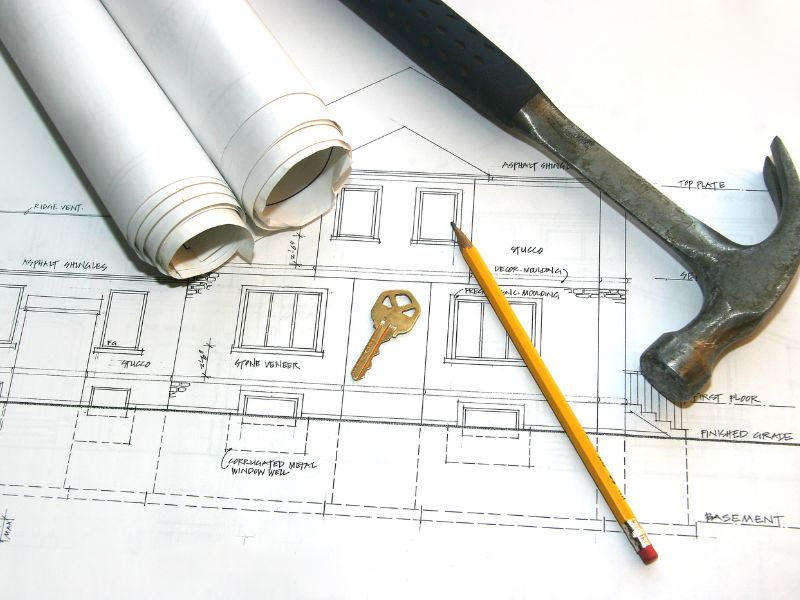
1. Enhanced Security: One of the most obvious perks of residing in a gated community is the heightened sense of security it offers. With restricted access points and often round-the-clock security personnel, gated neighborhoods provide a level of safety and peace of mind that is hard to match. For families, this means children can play freely and residents can rest easy knowing their homes are protected.

2. Exclusive Amenities: Gated communities often boast an array of exclusive amenities, from pristine swimming pools and state-of-the-art fitness centers to meticulously maintained parks and recreational areas. These perks aren’t just luxuries – they’re opportunities to enhance your quality of life and foster a sense of community among neighbors.

3. Maintenance and Aesthetics: When you buy a home in a gated community, you’re not just investing in a property – you’re investing in a meticulously planned environment where every aspect, from landscaping to infrastructure, is carefully curated. This means you can expect well-maintained common areas, beautifully landscaped surroundings, and strict adherence to architectural guidelines, ensuring that your property retains its value for years to come.

4. Sense of Community: Living in a gated community often fosters a strong sense of belonging and camaraderie among residents. Whether it’s through organized events, community gatherings, or simply waving hello to your neighbors as you stroll down the tree-lined streets, gated living encourages meaningful connections and friendships that can last a lifetime.

5. Privacy and Exclusivity: Let’s not forget the allure of privacy and exclusivity that comes with residing in a gated community. Away from the prying eyes of the public, you can enjoy a sense of seclusion without sacrificing convenience. It’s the best of both worlds – a tranquil retreat that’s still within easy reach of urban amenities.

6. Increased Property Value: Last but certainly not least, investing in a home in a gated community can be a smart financial move. The combination of security, amenities, and prestige associated with gated living often translates to increased property values over time, making it a sound long-term investment.

Buying a home in a gated community isn’t just about acquiring a piece of real estate – it’s about embracing a lifestyle characterized by security, luxury, and community spirit. Whether you’re raising a family, seeking a peaceful retreat, or simply craving the finer things in life, gated living offers an array of benefits that are hard to resist. So why settle for the ordinary when you can experience the extraordinary? Unlock the door to a world of possibilities and discover the joys of gated living today.

Filed Under: Mortgage Tagged With: Gated Community, Mortgage, Security

Exploring Home Improvement Loans

January 21, 2026 by Rhonda Costa

Want to upgrade your home but short on cash? Home improvement loans can help! They’re like a financial boost for fixing up your place without draining your savings. But with so many options, how do you pick the right one? Let’s review the options.

Home improvement loans are like a cash lifeline for home projects. Unlike some loans, they don’t need your home as collateral. You get the money upfront and pay it back over time.

What’s the difference between home improvement and renovation loans? Improvement loans are more flexible and cover various projects, like a new roof or landscaping. Renovation loans may have specific rules, like for kitchen or bathroom remodels.

Once you’re approved for a loan, the lender gives you the money in one go. You start paying it back right away, usually every month. The interest rate depends on your credit score and other factors.

Interest rates for these loans can vary a lot, usually between 5% and 36%. Your credit score will make a large impact.  Some lenders give discounts if you pay automatically, and you can check your likely interest rate without hurting your credit score.

Here are the main types of home improvement loans:

Home Equity Loan: Good for big projects. You borrow money against your home’s value but watch out for extra fees.

HELOC (Home Equity Line of Credit): Like a credit card, it lets you borrow as you need.

Cash-out Refinance: You get a new, bigger mortgage and cash in hand.

FHA 203(k) Rehab Loan: Great for buying homes that need fixing up.

Unsecured Personal Loan: Quick cash without using your home as collateral.

In short, home improvement loans can make your renovation dreams come true. Whether you’re thinking of solar panels or a new bedroom, there’s a loan that fits. Just read the fine print and choose wisely and always use a trusted mortgage professional to help guide you.

Filed Under: Mortgage Tagged With: Home Improvement, Loan Options, Mortgage 

Running A Quick Financial Health Check Before You Apply For A Mortgage

May 18, 2023 by Rhonda Costa

Running A Quick Financial Health Check Before You Apply For A Mortgage Getting a mortgage is a significant financial decision, and it is crucial to ensure that you are financially prepared before applying for one. Conducting a quick financial health check before applying for a mortgage can help you determine your financial standing and your ability to afford a mortgage payment.

Here are some reasons why you should consider conducting a quick financial health check before applying for a mortgage:

  1. Check your credit score: Your credit score is an important factor that lenders consider when deciding whether to approve your mortgage application. Check your credit score to see where you stand and take steps to improve it if necessary.
  2. Review your debt-to-income ratio: Lenders will also look at your debt-to-income ratio, which is the amount of debt you have compared to your income. If your debt-to-income ratio is too high, you may not be able to qualify for a mortgage. Try to pay down debt and increase your income to improve your debt-to-income ratio.
  3. Calculate your down payment: Most lenders require a down payment of at least 20% of the purchase price of the home. Calculate how much you’ll need for a down payment and make sure you have enough savings.
  4. Determine your monthly housing costs: Take a look at your monthly income and expenses to determine how much you can afford to spend on your mortgage payment, including property taxes and insurance. Make sure you’re comfortable with the monthly cost before applying for a mortgage.
  5. Get pre-approved for a mortgage: Once you’ve completed these steps, it’s a good idea to get pre-approved for a mortgage. This will give you an idea of how much you can borrow and the interest rate you’ll receive.

Conducting a quick financial health check before applying for a mortgage is a smart move. It can help you identify any financial issues, improve your mortgage eligibility, and ensure that you are prepared to take on the financial responsibilities of homeownership.

By following these steps, you’ll be able to quickly assess your financial health to increase your chances of being approved for the loan and determine whether you’re ready to apply for a mortgage.

Filed Under: Mortgage Tagged With: Credit Check, Mortgages, Real Estate

The Benefits Of Working With A Real Estate Agent You Need To Know

May 3, 2023 by Rhonda Costa

The Benefits Of Working With A Real Estate Agent You Need To KnowWhen it comes to buying or selling a home, working with an experienced real estate agent can be the difference between success and failure. Not only do agents possess access to the Multiple Listing Service (MLS) — a comprehensive database of properties for sale — they also provide invaluable insight into local markets, saving buyers and sellers time by handling many of the tedious tasks associated with transactions. 

Access To The Multiple Listing Service: MLS

From scheduling showings and negotiating offers to managing paperwork from start-to-finish, having an experienced professional on your side makes all the difference in navigating even complex deals without any hassle. Furthermore, their knowledge allows them to source homes that match exactly what you’re looking for — saving hours of research at no extra cost! 

A Real Estate Agent Saves Time

Real estate is never easy, but having someone who knows how this industry works inside out gives you peace of mind throughout every step along the way. Whether you’re buying or selling a property; entrusting these responsibilities to an expert means allowing yourself more free time while knowing that your transaction is in capable hands.

An Agent Can Help Identify Potential Concerns With The Home

For buyers and sellers alike, partnering with a qualified real estate agent can make all the difference when it comes to navigating the complex world of real estate. From uncovering potential issues that may have gone unnoticed to negotiating for better prices on both ends – an experienced agent has the expertise needed to simplify and expedite transactions while ensuring their clients get what they deserve. 

Save Money And Negotiate On The Final Price

A knowledgeable professional can spot problems such as structural damage or legal hiccups that may be hidden from novice eyes; helping buyers avoid costly repairs or fees down the line. Sellers, too, benefit from working with an agent who knows how to maximize exposure of their property in order to attract potential buyers, ultimately fetching them top dollar for their home. 

Work With A Qualified Real Estate Agent

Real estate agents offer countless advantages over going it alone when buying or selling a house; understanding local markets, saving time by streamlining processes, and employing savvy negotiation skills are just some of them! Ultimately, investing in an expert partner is often well worth it — so don’t hesitate to ask for help today if you’re looking into making your next move!


Filed Under: Mortgage, Real Estate Tagged With: MLS, Real Estate, Real Estate Agents

What Is A Mechanic’s Lien?

April 27, 2023 by Rhonda Costa

What is A Mechanics LienA mechanic’s lien is a legal claim placed on a property by a contractor, subcontractor, or supplier who has provided labor, materials, or equipment to improve the property. The lien serves as security for the payment of the debt owed to the party who provided the services or materials.

Mechanic’s liens are typically used in the construction industry, where contractors and subcontractors may perform work on a property and then have difficulty obtaining payment from the property owner. The lien provides the contractor with a legal means to collect payment for their work by placing a hold on the property until the debt is satisfied.

How a Mechanic Lien is Placed

To initiate a mechanic’s lien, the contractor or supplier must follow a specific set of procedures, which can vary depending on the jurisdiction. Generally, these procedures involve filing a notice of claim with the appropriate government office, notifying the property owner of the claim, and giving the owner an opportunity to dispute the claim.

If the claim is not disputed, the lien will remain on the property until the debt is paid. If the debt is not paid, the lien can be enforced through legal means, such as a foreclosure sale.

Reasons a Mechanic Lien Would be Placed

There are several reasons why a mechanic’s lien may be placed on a property:

  • Non-payment: The most common reason for placing a mechanic’s lien is non-payment. A contractor, subcontractor, or supplier may place a lien on the property if they have not been paid for their work, materials, or services.
  • Breach of contract: If a property owner breaches a contract by failing to pay for work that has been completed, a contractor or supplier may place a lien on the property.
  • Unpaid taxes or fees: Mechanic’s liens may also be placed on a property if the property owner has not paid property taxes, assessments, or other fees associated with the property.
  • Fraudulent or deceptive practices: In some cases, a mechanic’s lien may be placed on a property if the property owner engaged in fraudulent or deceptive practices, such as misrepresenting their financial position or misrepresenting the scope of the work that was required.
  • Dispute over work performed: Occasionally, a dispute may arise between a property owner and a contractor or supplier over the work that was performed. In such cases, a mechanic’s lien may be placed on the property as a way to resolve the dispute and secure payment for the work that was completed.

It is important to note that the laws surrounding mechanic’s liens can vary from state to state, and the specific reasons for placing a lien may also differ depending on the jurisdiction.

Mechanics’ liens can be complicated, and the laws surrounding them can vary from state to state. Therefore, it is recommended that contractors and property owners consult with an attorney who is familiar with the relevant laws in their jurisdiction.

Filed Under: Mortgage, Real Estate Tagged With: Contractor, Debt, Real Estate

  • 1
  • 2
  • 3
  • …
  • 19
  • Next Page »

Rhonda & Steve Costa

Rhonda & Steve Costa

Call (352) 398-6790
Sunrise Homes & Renovations, Inc.

Contractors License #CBC 1254207

Let’s Keep In Touch!

  • This field is for validation purposes and should be left unchanged.

Connect With Us on Social Media

Categories

Looking For Something?

Our Location


Spring Hill, FL 34608

Equal Housing Opp

Return to top of page

Copyright © 2026 Sunrise Homes & Renovations, Inc.. All rights reserved.   Log In