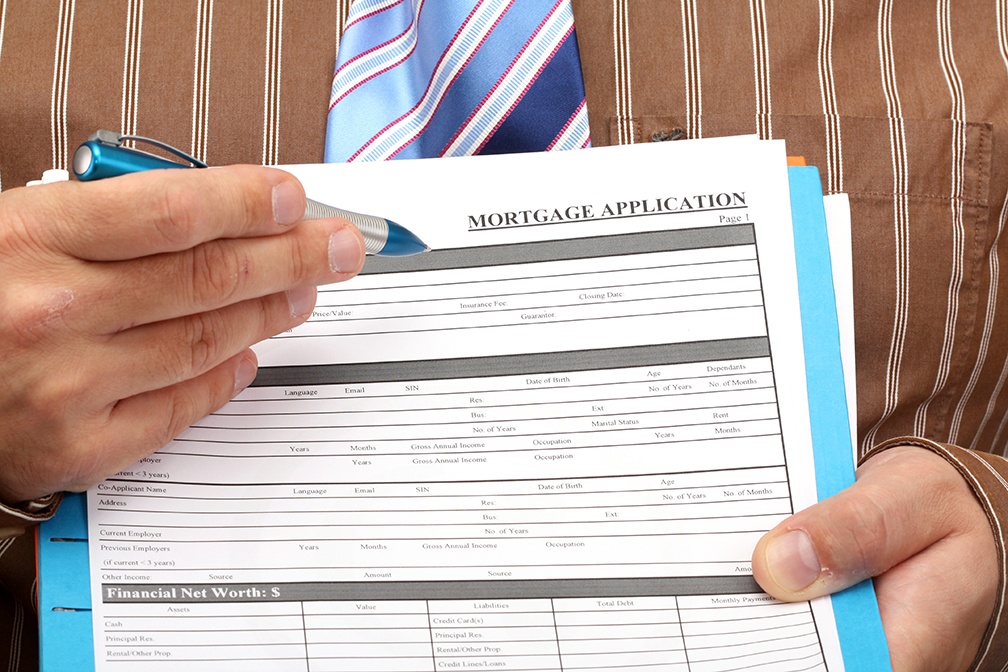
 Have you been considering a mortgage for your next home purchase? As with any loan or financial product, there are a variety of fees and costs you may incur in the process of closing your mortgage. In today’s post, we’ll explore a few of these potential fees and the situations in which you may encounter them. Let’s get started!
Title Insurance Costs
You’re almost certainly going to incur insurance fees and charges. In most cases, you’ll need to pay for title insurance for the lender, which is based on the purchase price of the home but varies from state to state. This protects the lender if something is missed during the title search, which shows whether or not there are any liens on the property.
Mortgage Underwriting Fees
Depending on the lender, you may or may not be assessed an underwriting fee. When you apply for a mortgage, there’s an intense amount of research required to determine the types of mortgage products that you qualify for and the amount of financing you can afford. This fee covers the costs involved in conducting this research. This may also be referred to as the ‘origination fee’ or included within it.
The Closing Fee
As mentioned above, there are title costs associated with finalizing your home purchase. As the name suggests, the closing fee covers the cost of having a representative from the title company present at the final ‘closing’ of the deal. This professional supervises the formal legal transfer of the home from the previous owner to you.
Legal And Attorney’s Fees
Speaking of legal, in most states you will require an attorney for some part of the closing process. This may or may not be related to the mortgage financing itself. For example, in some states, you will need to have an attorney present when you finalize the mortgage paperwork. In others, you’ll only need them for other parts of the purchase transaction.
Other Miscellaneous Costs
Finally, there are a handful of less common fees and costs that you might incur. These range from courier fees to get documents moved around the city to bank and wire fees to transfer your down payment.
While the list above may look like a lot, in the grand scheme of your total mortgage cost you won’t even notice most of these fees. For more information about the mortgage process, contact your local real estate professional today. We’re happy to help.
 Are you thinking about buying a new house? Whether you’re a first-time or experienced buyer, if your credit score isn’t looking too hot it can affect how much mortgage financing you receive – or whether you’re approved at all! But don’t fret. It’s still possible to get a mortgage approved, even with credit issues. Below we’ll share a few ways that you can get a mortgage loan even if your credit is less than perfect.
 Are you shopping around for a new house or apartment? One of the key considerations you will need to make is figuring out how much you want to invest in your new home. Below you’ll find our quick and easy guide to determining just how much “house” you can afford. Let’s get started!
 In these days of low interest rates, it can be a great idea to get into the real estate market and invest in a home. However, if you don’t have the funds saved up to buy a home outright, it may seem like more of a burden than it’s worth. The good news is that you might qualify for a mortgage loan, which tends to come with more favorable terms than a traditional bank loan. Here are three reasons why a mortgage might just be the best money you ever borrow.
 Many people all over the world are dealing with issues involving debt or poor credit history, but most aren’t necessarily aware of what exactly makes up their credit score. Unfortunately, it might seem like it’s the big stuff that counts when it comes to credit, but little things can have a significant impact on your financial health. If you’re looking to improve your understanding and your finances, here’s what you need to know about small mistakes and your FICO score.
 It’s not uncommon for a homeowner to want to pay more than the minimum monthly mortgage payment on their home. However, just because it can seem hard to come up with the funds on a monthly basis doesn’t mean it’s not possible to find the money for extra mortgage payments each year. If you’re wondering how you can pay down your mortgage debt much sooner with extra money, here are some tricks you may want to try.