
Sunrise Homes & Renovations, Inc.

  • Home
  • About
    • About Us
    • Recognition
      • Disaster Contractors Network
      • US EPA Certified
    • Accessibility Statement
  • Example Models
  • Renovations
  • Resources
    • First Time Home Buyer Tips
    • First Time Home Seller Tips
  • Blog
  • Contact

What’s Ahead For Mortgage Rates This Week – February 22, 2021

February 22, 2021 by Rhonda Costa

What's Ahead For Mortgage Rates This Week - February 22, 2021Last week’s economic reporting included readings from the National Association of Home Builders Housing Market Index, Commerce Department readings on housing starts and building permits issued along with data on sales of previously-owned homes. Weekly readings on mortgage rates and jobless claims were also released.

NAHB: Home Builders Index Rises One Point in February

Homebuilder confidence rose by one index point to 84 according to the National Association of Home Builders Housing Market Index. Readings over 50 in the Housing Market Index indicate that most homebuilders are confident about U.S. housing market conditions.

Component readings for the housing market index were mixed in February. Builder confidence in current market conditions for new single-family homes was unchanged with an index reading of 90; builder confidence in new home sales for the next six months fell by three points to a reading of 83. Builder confidence in buyer traffic in new single-family developments rose four points to an index reading of 72.  Before the pandemic, readings for buyer traffic in new housing developments were typically below 50, but the pandemic has created more interest in new single-family homes as families moved from congested urban areas to suburban areas.

Builders cited ongoing concerns including rising materials costs and affordability issues for first-time and low-income homebuyers.

Housing Starts Lower in January as Building Permits Rise

The Commerce Department reported fewer housing starts in January based on 1.58 million starts reported on a seasonally-adjusted annual basis, 1.67 million starts were reported in December and analysts expected a pace of 1.68 million housing starts for January.

Building permits issued rose in January to a seasonally-adjusted annual pace of 1.88 million permits. Analysts expected a reading of 1.67 million permits issued based on 1.70 million permits issued in December. Winter weather conditions likely contributed to fewer housing starts, but builders took out more building permits in anticipation of improving weather and continuing demand for homes due to shortages of available homes for sale and higher demand due to the covid-19 pandemic.

The National Association of Realtors® reported 6.69 million sales of previously-owned homes on a seasonally adjusted annual basis as of January. Low inventories of available homes and high demand for single-family homes continue to drive home sales during the pandemic. Rising home prices caused by high demand and low inventories of homes for sale created affordability issues in suburban areas as well as traditionally high-priced metro areas.

Mortgage Rates Rise, Jobless Claims Mixed

Freddie Mac reported higher mortgage rates last week as the average rate for 30-year fixed-rate mortgages rose by eight basis points to 2.81 percent. Rates for 15-year fixed-rate mortgages averaged 2.21 percent and were two basis points higher. Rates for 5/1 adjustable rate mortgages averaged 2.77 percent and two basis points lower than the prior week.

Weekly jobless claims data was mixed last week with 861,000 initial jobless claims filed as compared to the prior week’s reading of 848,000 first-time jobless claims filed. Ongoing jobless claims fell to 4.49 million continuing claims as compared to the prior week’s reading of 4.56 million continuing jobless claims filed.

What’s Next

This week’s scheduled economic readings include S&P Case-Shiller Home Price Indices, the Federal Housing Finance Agency’s Home Price Index, and data on pending home sales. The University of Michigan will issue its reading on consumer sentiment and weekly readings on mortgage rates and jobless claims will also be published.


Filed Under: Financial Reports Tagged With: COVID19, Financial Report, Mortgage Rate Rise

What’s Ahead For Mortgage Rates This Week – February 15, 2021

February 16, 2021 by Rhonda Costa

What's Ahead For Mortgage Rates This Week - February 15, 2021

Last week’s scheduled economic reporting included readings on inflation, Federal Reserve Chair Jerome Powell’s speech on U.S. labor markets, and weekly readings on mortgage rates and jobless claims.

Oil Prices Push Inflation Higher in January

Rising oil and gasoline prices drove a jump in January’s consumer price index. Inflation rose 0.30 percent month-to-month, which matched analysts’ expectations. The year-over-year inflation rate rose to 1.40 percent but remained lower than the pre-pandemic annual pace of 2.30 percent. The core inflation rate, which excludes volatile food and energy sectors, was unchanged in January.

Some analysts expect stronger inflation throughout 2021 due to the impact of stimulus payments and the potential for covid-19 vaccines. Widespread vaccinations are expected to reduce quarantine requirements and local restrictions on businesses and workplaces.

Fed Chair Doesn’t Expect Lasting Jump in Inflation in Near Term

In remarks made during a speech to the Economic Club of New York, Federal Reserve Chair Jerome Powell said he anticipated neither “a large nor sustained” increase in inflation for the near future. Mr. Powell also said that rising prices caused by bursts of spending were not sustainable. “Inflation has been much lower and more stable over the past three decades than in earlier times.” The Fed Chair also observed that “In the 1970s  when inflation would go up, it would stay up.”

Mortgage Rates Hold Steady as Jobless Claims Decrease

Freddie Mac reported no change in the average rate of 2.73 percent for 30-year fixed-rate mortgages; the average rate for 15-year fixed-rate mortgages dropped by two basis points to 2.19 percent. The average rate for 5/1 adjustable-rate mortgages rose one basis point to 2.79 percent. Discount points averaged 0.70 percent for 30-year fixed-rate mortgages, 0.60 percent for 15-year fixed-rate mortgages, and fell to 0.20 percent for 5/1 adjustable rate mortgages.

Jobless claims fell last week with 793,000 initial claims filed as compared to the prior week’s reading of 812,000 first-time claims filed. 4.55 million continuing jobless claims were filed last week as compared to 4.69 million ongoing claims filed in the prior week.

What’s Ahead

This week’s scheduled economic reports include readings from the National Association of Home Builders Housing Market Index and Commerce Department readings on housing starts and building permits issued. The National Association of Realtors will report on sales of previously-owned homes. Weekly readings on mortgage rates and jobless claims will also be published.

Filed Under: Financial Reports Tagged With: Financial Report, Jobless Claims, Mortgage Rates

What’s Ahead For Mortgage Rates This Week – February 8, 2021

February 8, 2021 by Rhonda Costa

What's Ahead For Mortgage Rates This Week - February 8, 2021Last week’s economic news included Commerce Department readings on construction spending, labor sector reporting on public and private-sector job growth, and the national unemployment rate. Weekly reports on mortgage rates and jobless claims were also released.

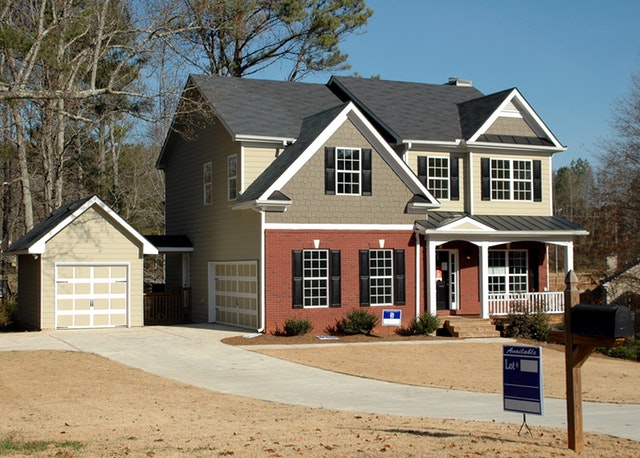

Construction Spending Driven by Housing Sector in December

The Commerce Department reported a one percent gain in construction spending in December to a seasonally-adjusted annual pace of $1.49 trillion. Residential construction drove spending for the seventh consecutive month with a 3.10 percent gain in spending. Construction for public projects rose by 0.50 percent; private-sector spending on non-residential construction fell by -1.70 percent.

Demand for housing remained high as supplies of previously-owned homes ran below average and homebuyers turned to new housing developments. Flight to less congested metro areas continued to drive demand for single-family homes. Builders cited rising materials costs and land and labor shortages as ongoing challenges to building affordable homes.

Mortgage Rates Hold Steady as Job Growth Improves

Freddie Mac reported little change in average mortgage rates last week. The average rate for 30-year fixed-rate mortgages was unchanged at 2.73 percent. Rates for 15-year fixed-rate mortgages averaged 2.21 percent and one basis point higher. The average rate for 5/1 adjustable rate mortgages was two basis points lower at 2.78 percent. Discount points averaged 0.70 percent for 30-year fixed-rate mortgages and 0.60 percent for 15-year fixed-rate mortgages. Points for 5/1 adjustable rate mortgages averaged 0.30 percent.

Public and private-sector job growth improved in January. ADP reported 174,000 private-sector jobs as compared to a negative reading of -78,000 jobs in December. Analysts forecasted 48,000 private-sector jobs added in January.

The federal government’s Non-Farm Payrolls report showed 49,000 public and private-sector jobs added, which fell short of the expected 50,000 jobs added, but the job growth reading was good news when compared to December’s reading of -227,000 jobs lost.  In related news, the national unemployment rate fell to 6.30 percent as compared to December’s reading of 6.70 percent 

Fewer Jobless Claims Filed

779,000 initial jobless claims were filed last week as compared to the prior week’s reading of 812,000 first-time claims filed. Continuing jobless claims also fell with 4.59 million ongoing claims reported; 4.79 million continuing claims were filed during the prior week.

What’s Ahead

This week’s scheduled economic reporting includes readings on inflation and consumer sentiment. Weekly readings on mortgage rates and jobless claims will also be released

Filed Under: Financial Reports Tagged With: Financial Report, Jobless Claims, Mortgage Rates

What’s Ahead For Mortgage Rates This Week – February 1, 2021

February 1, 2021 by Rhonda Costa

What's Ahead For Mortgage Rates This Week - February 1, 2021

Last week’s economic reports included readings from S&P Case-Shiller Home Price Indices, readings on new and pending home sales,  and the University of Michigan’s Consumer Sentiment Index. Weekly reports on mortgage rates and jobless claims were also published.

S&P Case-Shiller Home Price Indices: Home Prices Rose Faster in November

The Case-Shiller National Home Price Index showed that November home prices grew by 9.50 percent on a seasonally-adjusted annual basis. October’s reading showed 8.40 percent home price growth; analysts expected a year-over-year pace of  8.80 percent for national home price growth.

Severe shortages of available homes coupled with high demand for homes continued to fuel rising home prices as builders faced rising materials costs. The covid pandemic added to home price growth, which is expected to slow as businesses and employers reopen and flight from congested urban areas slows.

The 20-City Home Price Index reported home price growth in 19 of 20 cities; Detroit, Michigan has not reported its data in recent months. Phoenix, Arizona, Seattle, Washington, and San Diego, California again held the top three places in the 20-City Index.

New Home Sales Rise in December

New homes sold at a seasonally-adjusted annual pace of 842,000 sales as compared to a sales pace of 829,000 homes sold in November. Pending home sales were lower in December with a -0.30 percent decline. Analysts forecasted a reading of -0.20 percent in pending sales based on November’s reading of -2.60 percent fewer pending home sales. Seasonal influences including winter weather and the holiday season typically cause home sales to fall during the winter months.

Mortgage Rates, Jobless Claims Lower

Freddie Mac reported lower fixed mortgage rates last week; the average rate for 30-year fixed-rate mortgages fell by four basis points to 2.73 percent. The average rate for 15-year fixed-rate mortgages fell one basis point to 2.20 percent. The average rate for 5/1 adjustable rate mortgages was unchanged at 2.80 percent. Discount points averaged 0.70 percent, 0.60 percent, and 0.30 percent respectively.

First-time jobless claims fell to 847,000 claims filed as compared to the prior week’s reading of 914,000 initial claims filed. Continuing jobless claims were also lower with 4.77 million claims filed. as compared to the previous week’s reading of 4.97 million claims filed.

The University of Michigan reported an index reading of 79.0 in January for its Consumer Sentiment Index. Analysts expected no change to December’s reading of 79.2. The continued spread of covid-19 and related economic concerns contributed to lower consumer sentiment.

What’s Ahead

This week’s scheduled economic readings include labor-sector reports on public and private obs growth and the national unemployment rate. Weekly reports on mortgage rates and jobless claims will also be released.

Filed Under: Financial Reports Tagged With: Financial Report, Jobless Claims, Mortgage Rates

Case-Shiller: Home Prices Continue Rising in November

January 29, 2021 by Rhonda Costa

Case-Shiller: Home Prices Continue Rising in November

Case-Shiller Home Price Indices reported a year-over-year national home price gain of 9.50 percent for November 2020. Home prices continued to grow in response to high demand for homes and homeowner relocations in response to the covid-19 pandemic. Inventories of pre-owned homes remained low. Home prices rose at a slower pace in November but remained strong in most areas.

20-City Home Price Index Reports Home Price Gains in 19 of 20 Cities

November’s edition of the 20-City Home Price Index reported the highest year-over-year home price gain of 13.80 percent in Phoenix, Arizona, which held first place for the 18th consecutive month. Seattle, Washington reported year-over-year home price growth of 12.70 percent, and San Diego, California held third place with year-over-year home price growth of 12.30 percent. Home prices rose 1.50 percent from October to November.

Lower numbers of mortgage applications indicated that demand for homes may be slowing, but analysts expected demand for homes to continue driving home prices up. Factors contributing to slowing home sales include affordability and less inclination to relocate as businesses and employers reopen. Low inventories of available pre-owned homes limited prospective buyers’ choice of homes; home builders faced rising materials and labor costs that impact their ability to produce affordable homes.

FHFA Reports Home Price Growth Exceed Post-Recession Pace

The Federal Housing Finance Agency reported that prices of single-family homes owned or financed by Fannie Mae and Freddie Mac grew by one percent between October and November; home prices were up by 11 percent year-over-year. November was the sixth consecutive month for home price growth reported by FHFA. Data supplied by FHFA is based on house purchases and does not include refinancing transactions. 

Dr. Lynn Fisher, Deputy Director of FHFA’s Division of Research and Statistics, said “House prices have risen by at least one percent for six consecutive months. The acceleration has been slowing, but annual gains now outpace the prior housing boom. Current conditions can be explained by fundamentals including low rates and tight housing supply, which have been  intensified by the pandemic.”

Year-over-year home price growth within the nine federal census divisions ranged from 0.30 percent in the West South Central Division to 14.00 percent growth in the Mountain Division. Home price growth in the mountain west continued to grow as homeowners in costly and congested coastal areas moved to more affordable neighborhoods in cities including Phoenix, Arizona,  and Boise, Idaho.

Filed Under: Financial Reports Tagged With: Case-Shiller, Corona virus, Home Supply

What’s Ahead For Mortgage Rates This Week – January 25, 2021

January 25, 2021 by Rhonda Costa

What's Ahead For Mortgage Rates This Week - January 25, 2021Last week’s economic reporting included readings from the National Association of Home Builders Housing Market Index, along with Commerce Department readings on housing starts and building permits issued. The National Association of Realtors® reported on sales of previously-owned homes; weekly readings on mortgage rates and jobless claims were also released.

NAHB: Home Builders’ Housing Market Index Falls in January

Homebuilder confidence in housing market conditions fell three points to an index reading of 83 in January. The National Association of Home Builders Housing Market Index expected a reading of 85 for January as compared to December’s index reading of 86. Increasing covid-19 cases and rising materials costs caused builder confidence to fall as builder concerns rose.

The NAHB Housing Market Index remained strong as any reading over 50 indicates positive builder sentiment toward housing markets. Component readings for January’s Housing Market Index also fell; builder confidence in current market conditions fell two points to an index reading of 90. Homebuilder confidence in market conditions for the next six months also fell two points to 83. Builder confidence in buyer traffic in new housing developments dropped five points to an index reading of 68. Readings of more than 50 for buyer traffic were rare until the covid-19 pandemic started.

Conflicting factors impacted home builder confidence readings. Home sales rose as urban homeowners sought new and larger homes in the suburbs and rural areas, labor shortages, and rising materials expenses worried home builders.

Housing Starts and Building Permits Rose in December

The Commerce Department reported a seasonally-adjusted annual pace of 1.67 million housing starts as compared to November’s reading of 1.547 million starts. Building permits issued rose in December with 1.709 million permits issued annually as compared to November’s reading of 1.635 million housing starts.

The National Association of Realtors® reported 6.76 million sales of previously-owned homes sold as of December on a seasonally-adjusted annual basis. Home sales are increasing although demand exceeds available inventory and home prices continue to rise.

Mortgage Rates, Jobless Claims Lower

Mortgage rates fell last week with the average rate for 30-year fixed-rate mortgages two basis points lower on average at 2.77 percent. Rates for 15-year fixed-rate mortgages averaged 2.21 percent and were two basis points lower. Rates for 5/1 adjustable rate mortgages averaged 2.80 percent and 32 basis points lower. 

First-time jobless claims fell to 900,000 claims filed as compared to the prior week’s reading of 926,000 new claims filed. Ongoing jobless claims were also lower last week with 5.05 million continued claims filed as compared to 5.18 million claims filed the previous week. 

What’s Ahead

This week’s scheduled economic reporting includes readings from Case-Shiller Home Price Indices, the FHFA House Price Index, and the Federal Reserve’s Statement from its Federal Open Market Committee. Monthly readings on new home sales and consumer sentiment will also be published. Weekly readings on mortgage rates and jobless claims will also be released.

Filed Under: Financial Reports Tagged With: Financial Report, Jobless Claims, Mortgage Rates

  • « Previous Page
  • 1
  • …
  • 51
  • 52
  • 53
  • 54
  • 55
  • …
  • 82
  • Next Page »

Rhonda & Steve Costa

Rhonda & Steve Costa

Call (352) 398-6790
Sunrise Homes & Renovations, Inc.

Contractors License #CBC 1254207

Let’s Keep In Touch!

  • This field is for validation purposes and should be left unchanged.

Connect With Us on Social Media

Categories

Looking For Something?

Our Location


Spring Hill, FL 34608

Equal Housing Opp

Return to top of page

Copyright © 2026 Sunrise Homes & Renovations, Inc.. All rights reserved.   Log In