 Purchasing your first home is an exciting milestone, but it can also feel overwhelming without a clear plan. With so many moving parts, from financial prep to evaluating potential homes, having a comprehensive checklist can help simplify the process. Here’s everything you need to consider to make your home-buying journey smoother and more successful:
1. Get Your Finances in Order
- Check Your Credit Score: Lenders rely heavily on your credit score. Aim for a score of 620 or higher to qualify for a conventional loan, though some programs accept lower scores.
- Save for a Down Payment: Depending on the type of loan, you may need anywhere from 3% to 20% of the home’s price. Be sure to budget for closing costs and emergency funds.
- Get Pre-Approved: A pre-approval letter strengthens your position when making offers. It shows sellers you’re serious and capable of securing financing.
- Consider First-Time Buyer Programs: Look into local, state, or national programs designed to assist first-time homebuyers with down payments, tax credits, or low-interest loans.
2. Determine Your Budget
- Know Your Monthly Budget: Factor in mortgage payments, taxes, insurance, and potential maintenance costs. Leave room for unexpected expenses!
- Factor in the Long-Term: Think about future life changes—do you plan to expand your family? Relocate for a job? Buy with a forward-looking approach.
3. Start the Home Search
- List Your Must-Haves vs. Nice-to-Haves: Prioritize things like location, the number of bedrooms, and school district over less critical features like a pool or finished basement.
- Work With a Real Estate Agent: Partner with an agent who understands your needs and local market trends, providing valuable insights and helping you find the best options within your budget.
4. Visit Properties & Make a Decision
- Attend Open Houses and Viewings: Bring a checklist of what to look for—condition of the roof, HVAC system, foundation, and neighborhood noise levels. Take photos and notes for future reference.
- Ask Questions: What’s included in the sale? How old are the appliances? What’s the community like? Knowing the details can help you avoid future surprises.
- Look Beyond the Surface: Fresh paint may hide issues. Inspect areas like the basement, attic, and behind large appliances for potential red flags.
5. Seal the Deal
- Make an Offer: Your agent will help you craft a strong offer based on comparable properties and market conditions. Be prepared to negotiate!
- Schedule an Inspection: A home inspection ensures the property is in good condition. If issues arise, you can request repairs or adjust the offer accordingly.
- Close the Deal: Once everything checks out, you’ll finalize your mortgage, sign the paperwork, and receive the keys to your new home! Buying your first home can feel daunting, but by following this checklist, you’ll have the confidence to make informed decisions at every step. As your trusted real estate agent, I’m here to guide you through the entire process, ensuring a smooth transition into homeownership.
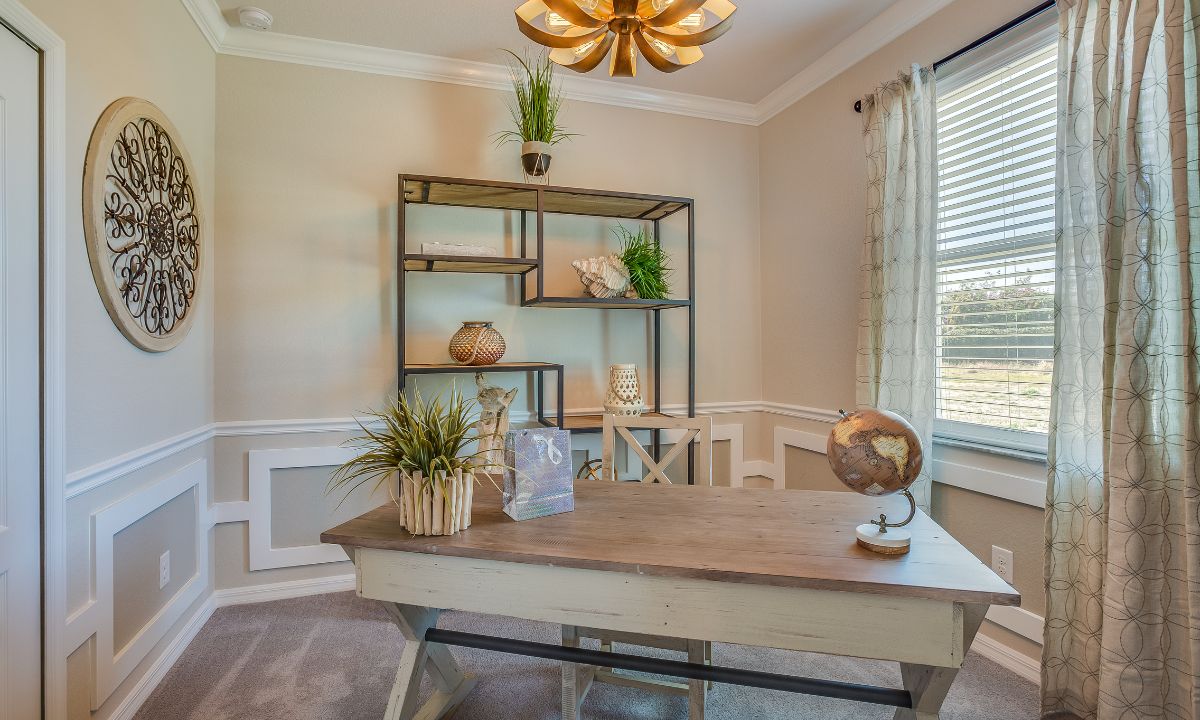 When selling a home, staging can be the key to a faster sale. It helps buyers imagine living in the space and showcases the home’s best features. Here are five simple tips to stage your home and make it more appealing:
 Last week was a fairly light week, with the non-farm payroll data being the most significant release. The data showed that payrolls are growing at a faster rate than historical trends suggest, which could indicate that inflation is still above the Federal Reserve’s target. In contrast, the upcoming week has a busy schedule, with many important economic releases lined up back to back.
 When it comes to buying a home, one of the biggest decisions is whether to save up for a 20% down payment or opt for mortgage insurance. While a 20% down payment has traditionally been the gold standard, mortgage insurance is becoming an increasingly viable option for many buyers. Here’s a closer look at both paths to help you determine which is right for you.
 Filing for bankruptcy can make your dream of homeownership feel distant, but it doesn’t have to be the end of the journey. While there are challenges, understanding how bankruptcy impacts your finances and planning strategically can set you on the right path. Here’s a step-by-step guide to buying a home after bankruptcy.
 When buying a home, there are many expenses to think about, title insurance might seem like just another one on the list. Conversely, this investment is important and can save you a lot of stress and money in the long run. Here’s why the cost of title insurance is well worth it.