Sunrise Homes & Renovations, Inc.

  • Home
  • About
    • About Us
    • Recognition
      • Disaster Contractors Network
      • US EPA Certified
    • Accessibility Statement
  • Example Models
  • Renovations
  • Resources
    • First Time Home Buyer Tips
    • First Time Home Seller Tips
  • Blog
  • Contact

The Hidden Costs of Homeownership and How to Prepare for Them

October 23, 2025 by Rhonda Costa

Buying a home is one of life’s biggest milestones, but it also comes with ongoing responsibilities that many first-time buyers overlook. The purchase price and mortgage are only part of the picture. Once the excitement of closing day fades, new homeowners often discover a range of hidden costs that can affect their monthly budgets and long-term financial stability.

Regular Maintenance and Repairs
Every home, no matter how new, requires upkeep. From cleaning gutters to servicing heating and cooling systems, routine maintenance helps prevent expensive problems down the road. Experts often suggest setting aside one to three percent of your home’s value each year for maintenance and repairs. Roof replacements, plumbing leaks, and appliance breakdowns can occur unexpectedly, so planning ahead ensures you are prepared when issues arise.

Property Taxes and Homeowners Insurance
Property taxes and insurance premiums are essential costs that can fluctuate over time. Taxes may increase as property values rise or local budgets change. Insurance rates can also shift due to location, coverage adjustments, or weather risks. Understanding how these expenses are calculated and budgeting for potential increases helps homeowners avoid financial surprises later.

Utilities and Energy Costs
Utility bills are another area where costs can increase quickly. Electricity, gas, water, and internet services are all part of daily living expenses. Seasonal changes, especially in areas with hot summers or cold winters, can cause significant fluctuations. Energy-efficient upgrades such as LED lighting, insulation, and smart thermostats can help reduce these ongoing costs while improving comfort.

Homeowners Association Fees
For properties within a homeowner’s association, or HOA, monthly or annual fees may be required to cover amenities, maintenance, and community services. These fees vary widely depending on the neighborhood and the facilities offered. While HOAs can add value and convenience, it is important to understand what is included in the cost and how often rates are reviewed or increased.

Major Replacement Costs
Over time, key home components will need to be replaced. Roofs, water heaters, HVAC systems, and kitchen appliances all have limited lifespans. Budgeting for these replacements can prevent financial strain when they eventually wear out. Creating a separate home repair fund can make these large expenses more manageable and less stressful when the time comes.

How to Prepare Financially
The best way to handle hidden homeownership costs is through proactive financial planning. Establish an emergency fund specifically for home expenses. Regularly review your budget to ensure it reflects changes in taxes, insurance, and utility rates. Conduct annual maintenance checks to address small issues before they become major repairs. A well-prepared homeowner can handle surprises with confidence and protect their investment over time.

Owning a home is both rewarding and demanding. While hidden costs can catch some buyers off guard, careful preparation turns those challenges into manageable realities. A home is not just a financial investment; it is a commitment to maintaining a safe and comfortable space for years to come.

Filed Under: Home Buyer Tips Tagged With: Home Budgeting, Home Maintenance, Property Taxes

Pet-Centered House Hunting and Why Fenced Yards and Pet-Friendly HOAs Are Dealmakers

October 22, 2025 by Rhonda Costa

For many homewners, pets are not just animals, they are cherished family members. As a result, more buyers are prioritizing pet needs when searching for their next home. Whether it is a fenced backyard for a playful puppy or a neighborhood that welcomes animals, pet-centered home buying has become one of the most important trends in real estate.

The Rise of Pet-Inclusive Priorities
Homebuyers today are thinking beyond kitchens and curb appeal. They want spaces that accommodate every member of the household, including their pets. A secure yard, durable flooring, and proximity to parks or trails are now high on the list of must-haves. For many buyers, a property’s pet-friendly features can make or break the deal.

Why Fenced Yards Matter
A fenced yard is more than a convenience, it provides safety, freedom, and peace of mind. For pet owners, it means their dogs can play outside without constant supervision and cats can safely explore the outdoors. A fenced yard also adds property value, attracting a wider range of potential buyers in the future. In many cases, homes with secure outdoor spaces sell faster and for higher prices because they appeal to both pet owners and families alike.

Pet-Friendly HOAs as a Selling Point
Homeowners’ associations, or HOAs, play a major role in how pet-friendly a neighborhood feels. Some HOAs restrict pet sizes, breeds, or the number of animals allowed, while others embrace the idea of pets as community members. Buyers who own pets or plan to adopt are now paying close attention to HOA policies before they make an offer. A pet-welcoming HOA often becomes a deciding factor in choosing one community over another.

The Emotional Factor in Pet-Centered Decisions
For many buyers, the decision to move is deeply emotional, and their pets play a huge role in that journey. They imagine their dog running across a backyard or their cat watching birds from a sunny window. Agents who understand this emotional connection are better equipped to match families with homes that truly fit their lifestyle. Recognizing how much pets influence buying choices helps create a more personal and rewarding experience for clients.

Real Estate Agents Adapting to the Trend
Real estate agents are taking note of this growing trend and marketing homes accordingly. Listings now highlight features like fenced yards, pet washing stations, and proximity to dog parks. Understanding pet-centered priorities allows agents to connect with buyers on a deeper level and showcase properties in a way that resonates emotionally.

Pet-centered house hunting is here to stay. For many families, finding the right home means finding the right environment for their furry companions. Fenced yards and pet-friendly HOAs are more than perks, they are dealmakers. As more buyers put their pets first, the homes that accommodate those needs will continue to stand out in today’s competitive market.

Filed Under: Real Estate Tips Tagged With: Home Buying Journey, Pet-Friendly Homes, Real Estate Tips

Will AI Replace the Open House? How Virtual Tours and Smart Marketing Are Changing the Way Homes Are Sold

October 21, 2025 by Rhonda Costa

The real estate world is experiencing a major shift as technology reshapes the way homes are marketed and sold. Artificial intelligence and smart digital tools are transforming how agents connect with potential buyers. Traditional open houses, once the main event for showing homes, are now being enhanced, or sometimes replaced, by virtual experiences that allow buyers to explore properties without leaving their couch.

The Power of Virtual Tours
Virtual tours have become a game changer for both buyers and sellers. With high-definition visuals and 360-degree walkthroughs, buyers can explore every room, examine details, and get a feel for the home at their own pace. This level of convenience saves time for everyone involved and allows sellers to reach a wider audience. Out-of-town and even international buyers can now “visit” homes instantly, expanding the pool of interested parties far beyond local markets.

Artificial Intelligence in Marketing
Artificial intelligence is quietly revolutionizing real estate marketing. AI tools analyze buyer behavior, interests, and online patterns to predict who is most likely to be interested in a specific property. Instead of broad, one-size-fits-all advertising, these systems generate targeted campaigns that speak directly to potential buyers. From social media ads to property recommendations, AI ensures that the right message reaches the right people, often leading to quicker sales and stronger offers.

Smart Assistance and Customer Experience
Technology is also improving the home-buying experience through virtual assistants and chat features. Interested buyers can ask questions, request additional photos, or schedule a showing, often in real time and without waiting for office hours. These instant interactions help keep buyers engaged and informed, increasing the likelihood that an online inquiry will turn into an actual showing.

Why the Human Touch Still Matters
Even with advanced technology, real estate remains a people business. Agents bring expertise, negotiation skills, and personal insight that no machine can replicate. Many buyers still want to step inside a home, feel the flow of the space, and visualize their future there. Virtual tools cannot replace the emotional connection that happens when someone walks through a home in person.

The Future of the Open House
The open house is not disappearing, it is evolving. Today’s most successful agents combine the best of both worlds: the convenience of AI-driven marketing with the personal connection of traditional showings. Virtual tours attract more qualified buyers, and in-person visits allow those buyers to confirm their decision with confidence.

Embracing Technology, Enhancing Relationships
The future of real estate belongs to professionals who embrace innovation while keeping relationships at the heart of their business. Technology is not here to replace open houses, it is here to make them smarter, more efficient, and more accessible than ever before.

Filed Under: Real Estate Trends Tagged With: AI in Real Estate, Real Estate Tips, Virtual Tours

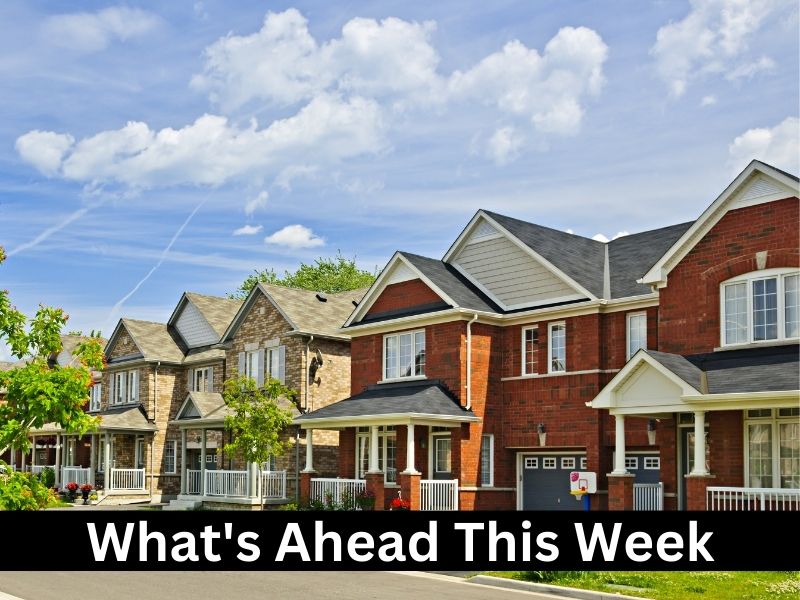
What’s Ahead For Mortgage Rates This Week – October 20th, 2025

October 20, 2025 by Rhonda Costa

The government has been facing a shutdown for the past 19 days with continued obstinacy from both parties, largely over healthcare subsidies.

As a result, there will be few major reports this week, the most notable being the Federal Reserve’s Beige Book, which indicates that the U.S. economy is once again showing signs of slowing.

Federal Reserve Chairman Jerome Powell also provided comments on the current inflation outlook, noting that multiple private and public data sources show inflation remains largely within projections. He added that the Fed will maintain its current monetary policy stance despite the ongoing government shutdow. There is still another planned rate cut potentially this year.

Federal Reserve Beige Book
Reports from across the U.S. indicate sluggish economic conditions in much of the country, with only three of the Federal Reserve’s 12 district banks reporting expanding activity in their regions, according to the Federal Reverse’s latest “beige book” report. The remaining nine districts reported either flat or contracting economic activity.

Primary Mortgage Market Survey Index
• 15-Yr FRM rates saw a decrease of -0.01% for this week, with the current rate at 5.52%
• 30-Yr FRM rates saw a decrease of -0.03% for this week, with the current rate at 6.27%

MND Rate Index
• 30-Yr FHA rates saw a decrease of -0.04% for this week. Current rates at 5.99%
• 30-Yr VA rates saw a decrease of -0.03% for this week. Current rates at 6.01%

Jobless Claims
Initial Claims were reported to be delayed until further notice.

What’s Ahead
There are some expectations that the shutdown could end next week, and the CPI and PPI reports (key inflation reports) may potentially be on the horizon.

Filed Under: Financial Reports Tagged With: Financial Report, Jobless Claims, Mortgage Rates

How Walkability Scores Impact Home Value

October 17, 2025 by Rhonda Costa

When buying a home, location is often cited as the most important factor. One element of location that has gained attention is walkability. Walkability scores measure how easy it is to access amenities like grocery stores, restaurants, schools, and parks by walking. Understanding walkability can help buyers evaluate lifestyle benefits and potential resale value.

What a Walkability Score Means
Walkability scores typically range from zero to one hundred, with higher scores indicating more pedestrian-friendly areas. A high score often correlates with convenience, accessibility, and vibrant community life. Buyers value neighborhoods where daily errands can be accomplished on foot, which can influence demand and property appreciation over time.

Impact on Home Value
Homes in highly walkable areas often command higher prices because of increased demand. Walkable neighborhoods tend to attract professionals, young families, and retirees who prioritize convenience and lifestyle. Properties in these areas can see stronger long-term value appreciation and may sell faster than homes in less accessible locations.

Lifestyle Considerations
Walkability is not only about convenience but also about quality of life. Areas with high walkability encourage physical activity, reduce commuting stress, and foster social connections with neighbors. For buyers, considering walkability helps ensure that their chosen home aligns with their daily routines and lifestyle preferences.

Resale and Investment Potential
For investors or buyers considering future resale, walkability can be a key selling point. Even in changing markets, properties in walkable neighborhoods often retain value better and attract a wider pool of potential buyers. Understanding local amenities and pedestrian-friendly infrastructure is crucial for assessing long-term investment potential.

How to Evaluate Walkability
Several online tools provide walkability scores and detailed breakdowns of nearby amenities. Buyers can also visit neighborhoods on foot to get a firsthand sense of accessibility, safety, and convenience. Combining digital data with personal observation ensures a well-rounded evaluation.

Considering walkability when choosing a home can influence lifestyle satisfaction, property value, and long-term investment outcomes. Buyers who prioritize pedestrian-friendly neighborhoods may enjoy both convenience and financial benefits over time.

Filed Under: Home Buyer Tips Tagged With: Home Value, Real Estate Advice, Walkability

Should You Waive Contingencies in a Competitive Market

October 16, 2025 by Rhonda Costa

In a competitive real estate market, buyers often hear about waiving contingencies to make their offer more attractive. While this strategy can help secure a home in high-demand areas, it also comes with risks that should be carefully considered before deciding.

What Are Contingencies
Contingencies are conditions in a purchase agreement that protect buyers. Common contingencies include home inspections, appraisals, and financing. They give buyers the option to back out or renegotiate the deal if certain criteria are not met, providing a safety net during the purchase process.

When Waiving Makes Sense
Waiving contingencies can make an offer stand out when multiple buyers compete for the same property. Sellers often prefer offers with fewer conditions, as they reduce uncertainty and speed up the closing process. Buyers with strong financing, confidence in the propertyís condition, and flexibility may benefit from this approach.

The Risks Involved
Removing contingencies eliminates protection that safeguard buyers from unexpected issues. For example, skipping a home inspection could result in costly repairs after closing, and waiving an appraisal contingency could leave buyers responsible for paying the difference if the property appraises lower than the offer.

Strategies to Minimize Risk
Buyers who consider waiving contingencies can still protect themselves by conducting thorough due diligence before making an offer. Reviewing seller disclosures, touring the property carefully, and getting pre-approved for financing can help reduce the likelihood of unpleasant surprises. Consulting with a knowledgeable real estate agent is essential to weigh the risks versus potential advantages.

Making an Informed Decision
Deciding whether to waive contingencies requires balancing the desire to win a competitive bid with the need for financial protection. Each buyerís situation, risk tolerance, and market conditions are unique, and careful planning is critical to make the best choice for your specific circumstances.

Filed Under: Real Estate Tips Tagged With: Competitve Housing Market, Contingencies, Real Estate Advice

  • « Previous Page
  • 1
  • …
  • 4
  • 5
  • 6
  • 7
  • 8
  • …
  • 448
  • Next Page »

Rhonda & Steve Costa

Rhonda & Steve Costa

Call (352) 398-6790
Sunrise Homes & Renovations, Inc.

Contractors License #CBC 1254207

Let’s Keep In Touch!

  • This field is for validation purposes and should be left unchanged.

Connect With Us on Social Media

Categories

Looking For Something?

Our Location


Spring Hill, FL 34608

Equal Housing Opp

Return to top of page

Copyright © 2025 Sunrise Homes & Renovations, Inc.. All rights reserved.   Log In